Investments in Equity Or Real Estate?
Read latest blogs and articles from Housystan
The Information mentioned here was last updated on:
25/2/2026Investments in Equity or Real Estate? A Comprehensive Guide for Smart Investors
Introduction: The Dilemma of Modern Investors
In today’s rapidly evolving financial landscape, individuals are consistently faced with one pressing question: should you invest in equity markets or real estate? Both options have their distinct advantages and risks, and the right choice often depends on an investor’s goals, risk appetite, and financial situation. This article dives deep into the dynamics of investing in equities and real estate, offering clear insights to help you make an informed decision tailored to your needs.
- Verified Tenants/Buyers
- Unlimited Property Listing
- Zero subscription/charges fee
Understanding Equity Investments
Equity investments refer to putting your money into the stock market by purchasing shares of companies. When you buy stocks, you essentially own a part of the company and are entitled to a share of its profits—usually in the form of dividends and capital gains. Equity markets are known for their liquidity, transparency, and the potential for high returns. However, they are also associated with higher volatility and risk.
Key Features of Equity Investments
Equities are highly liquid assets, meaning you can buy or sell shares quickly, usually within seconds during market hours. They are regulated by government bodies, such as the Securities and Exchange Board of India (SEBI), ensuring transparency for retail investors. The stock market also offers a wide range of investment avenues, including blue-chip stocks, mid-cap companies, index funds, and sectoral funds, catering to diverse risk profiles.
Pros and Cons of Equity Investments
One of the primary advantages of equity investments is the potential for significant capital appreciation over time. Historically, well-chosen equities have outperformed most other asset classes, including real estate, over the long term. Moreover, equities allow for diversification across sectors and geographies, enabling investors to manage risk more effectively.
However, equities are also subject to market volatility. Prices can fluctuate dramatically in response to economic news, global events, or company performance. For short-term investors or those with a low tolerance for risk, this volatility can be unsettling. Additionally, making informed decisions in the stock market requires research, discipline, and sometimes professional guidance.
Exploring Real Estate Investments
Real estate has long held a special place in the Indian investment psyche. Owning property is often seen not just as an investment but as a symbol of status and security. Real estate investments involve purchasing residential, commercial, or industrial properties with the expectation of earning rental income or capital appreciation.
Key Features of Real Estate Investments
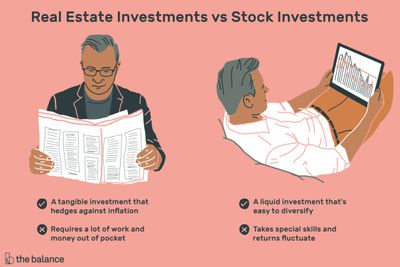
Unlike equities, real estate is a tangible asset—you can see, touch, and use it. This physicality offers many investors a sense of security. Real estate also provides the opportunity to generate a steady stream of rental income, which can act as a hedge against inflation. Over the long term, property values tend to appreciate, especially in growing urban centers.
Pros and Cons of Real Estate Investments
One of the strongest arguments for investing in real estate is stability. Property prices typically do not fluctuate as sharply as stock prices, making it a preferred option for conservative investors. Real estate can also be leveraged using mortgages, allowing investors to control a large asset with a relatively small initial investment. Moreover, owning property can have tax benefits, such as deductions on home loan interest and principal repayment.
However, investing in real estate comes with its own set of challenges. Properties are illiquid assets—it takes time and effort to buy or sell them. Transaction costs, including stamp duty, registration, and brokerage fees, can be significant. Real estate also requires ongoing maintenance and management, which can be a hassle for some investors. Furthermore, the sector is susceptible to regulatory changes, legal disputes, and market cycles.
Comparing Returns: Equity vs. Real Estate
When it comes to returns, equity markets have historically delivered higher annualized returns compared to real estate, especially over long periods. For instance, over the last two decades, major stock indices in India have provided annualized returns of 10-15%, while prime real estate locations have delivered 7-10%. However, these figures can vary widely depending on location, market cycles, and individual stock choices.
It’s important to note that while equities offer potentially higher returns, they also come with higher risk. Real estate, on the other hand, provides more stable but often lower returns, which are supplemented by rental income.
Liquidity and Accessibility
Liquidity is a crucial factor for many investors. Equities can be sold almost instantly on the stock exchange, providing easy access to cash in times of need. Real estate transactions, however, can take months, making it less suitable for those who may need quick liquidity. Additionally, the minimum investment required for real estate is significantly higher than for equities, making stocks more accessible to small investors.
Tax Implications
Both asset classes have their unique tax implications. Profits from equity investments held for more than one year are taxed as long-term capital gains, often at a favorable rate. Real estate attracts capital gains tax as well, but the holding period and rates differ. Rental income from property is also taxable, but investors can claim deductions for maintenance and interest payments.
Which Should You Choose?
The choice between equity and real estate ultimately depends on your financial goals, investment horizon, and risk tolerance. If you seek higher returns and are comfortable with market fluctuations, equities may be more suitable. If you prefer stability, tangible assets, and steady income, real estate could be the way to go.
Many financial advisors recommend a diversified approach—allocating funds to both equities and real estate to balance risk and returns. This way, you can benefit from the growth potential of equities and the stability of real estate.
Conclusion: Building a Future-Ready Portfolio
There is no one-size-fits-all answer to the equity versus real estate debate. Both asset classes have distinct roles in a well-constructed investment portfolio. By understanding their unique characteristics and aligning them with your personal goals, you can create a strategy that not only safeguards your wealth but also sets you on the path to financial freedom. Remember, informed decision-making and regular portfolio reviews are the keys to successful investing in any market environment.