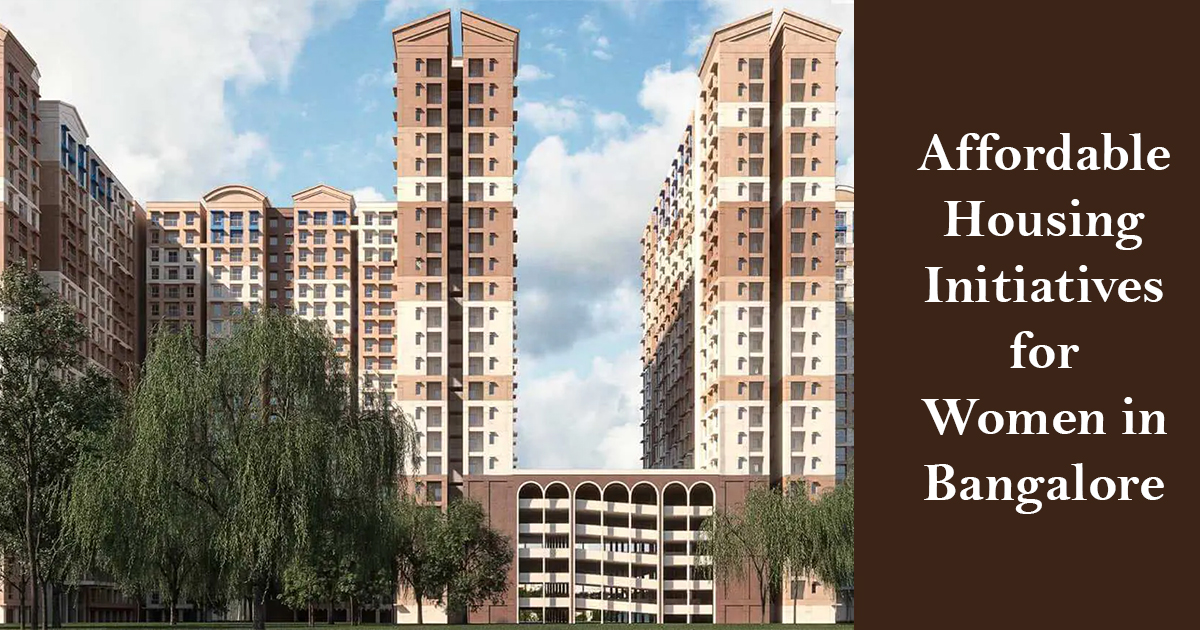
Affordable Housing Initiatives for Women in Bangalore
Read latest blogs and articles from Housystan
The Information mentioned here was last updated on:
1/4/2026Affordable Housing Initiatives for Women in Bangalore: Empowering Urban Women Through Sustainable Living
Introduction
Bangalore, often dubbed the Silicon Valley of India, attracts thousands of professionals every year, especially women seeking career advancement and independence. However, the city’s meteoric growth has led to soaring real estate prices, making affordable housing a pressing concern—particularly for women. Government schemes, non-profit organizations, and private developers are increasingly focusing on affordable housing initiatives for women in Bangalore, understanding the critical link between secure housing and women’s empowerment.
- Verified Tenants/Buyers
- Unlimited Property Listing
- Zero subscription/charges fee
The Current Housing Scenario for Women
Securing safe, affordable accommodation remains a challenge for many women migrating to Bangalore for work or education. High rental costs, lack of women-centric hostels, and safety concerns are predominant issues. Single women, widows, and those from marginalized communities often face discrimination and are pushed towards less secure neighborhoods, impacting their quality of life and career prospects. The need for affordable, accessible, and safe housing is urgent, driving various stakeholders to roll out targeted solutions.
Government Policies and Schemes Supporting Women’s Housing
The Karnataka government, in collaboration with the central government, has launched several initiatives to make housing accessible and affordable for women. The Pradhan Mantri Awas Yojana (PMAY) is a flagship program that encourages women’s homeownership. Under this scheme, properties registered in a woman’s name receive additional subsidies and interest rate reductions. The Rajiv Gandhi Housing Corporation Limited (RGRHCL) also offers schemes for economically weaker sections, prioritizing women-headed households.
Additionally, the Basava Vasati Yojana aims to provide affordable housing units to low-income families, with a significant portion reserved for women beneficiaries. These government interventions are essential for leveling the playing field and encouraging financial independence among women in Bangalore.
Non-Profit Organizations Driving Change
Several non-profit organizations have stepped in to bridge the gap between policy and practice. Habitat for Humanity India runs projects specifically targeting single mothers, widows, and survivors of domestic violence, ensuring they have access to safe and affordable homes. Mahila Housing Trust (MHT) works closely with women from informal settlements, helping them secure legal titles, access basic amenities, and benefit from government schemes.
Through community engagement and partnerships with local authorities, these organizations not only provide physical shelter but also empower women with knowledge about property rights, financial planning, and legal recourse, creating a holistic approach to affordable housing.
Private Sector Involvement in Women-Centric Housing
Recognizing the growing demand, private real estate developers in Bangalore are launching projects tailored to women’s needs. These developments offer enhanced security features, women-only housing clusters, and amenities designed for working professionals and students. Some developers collaborate with fintech companies to provide women-friendly loan products, reducing the financial barriers women often face.
Co-living spaces, managed apartments, and gated communities with female-only blocks are becoming increasingly popular, offering flexible lease terms and community support networks. The private sector’s role is pivotal in scaling solutions and introducing innovative models in the affordable housing segment.
Challenges Facing Affordable Housing Initiatives for Women
Despite significant progress, challenges persist. Land acquisition costs in Bangalore remain high, limiting the scope for large-scale affordable housing projects. Social stigma and gender biases also hinder single women and female-headed households from accessing rental properties. Additionally, bureaucratic delays and lack of awareness about available schemes reduce the effectiveness of many initiatives.
Another challenge is ensuring the safety and security of women residents, particularly in peripheral or developing areas of the city. Addressing these issues requires a multipronged strategy involving regulatory reforms, public awareness campaigns, and stronger enforcement of anti-discrimination laws in housing.
The Importance of Location and Connectivity
For women, proximity to workplaces, educational institutions, healthcare centers, and public transport is crucial when choosing housing. Affordable housing projects in Bangalore are increasingly being developed in well-connected areas such as Whitefield, Electronic City, and Yelahanka. These localities offer access to metro lines, bus routes, and essential services, reducing daily commute times and enhancing safety.
Integrated township models, which combine residential, commercial, and recreational facilities, are gaining traction, providing women with self-sustained environments that prioritize safety and convenience.
Financial Literacy and Empowerment
Owning or renting a home involves complex financial decisions—many women, especially first-time city dwellers, may lack the necessary information. Banks and non-banking financial companies (NBFCs) are now organizing financial literacy workshops targeting women in Bangalore. These programs educate women about home loans, credit scores, budgeting, and government subsidies, empowering them to make informed decisions and achieve long-term stability.
Microfinance institutions also play a critical role, offering small loans and savings products tailored for low-income women. Such financial inclusion initiatives are key to ensuring that affordable housing is within reach for all women, regardless of background.
Success Stories and Community Impact
Numerous women in Bangalore have transformed their lives through affordable housing schemes. For instance, women-headed households in government-built colonies have reported improved health, higher school attendance for children, and increased participation in local governance. Community spaces within these housing projects foster peer support, entrepreneurship, and collective action, strengthening women’s voices in urban development.
Case studies highlight that secure housing not only provides shelter but also serves as a launchpad for women’s economic, social, and personal growth, contributing to more inclusive urban communities.
The Road Ahead: Building Inclusive and Resilient Cities
As Bangalore continues to expand, ensuring affordable, safe, and accessible housing for women must remain a priority. Policymakers, developers, and civil society must work collaboratively to enhance existing schemes, scale innovative solutions, and address persistent challenges. Introducing technology-driven platforms for property search, grievance redressal, and scheme enrollment can further streamline access for women.
Empowering women through affordable housing is not just a matter of social justice—it is an investment in the city’s future resilience and prosperity. With sustained commitment and inclusive planning, Bangalore can set a benchmark for women-centric urban development, paving the way for other Indian cities to follow.