Architecture That Reflects Indian Culture
Read latest blogs and articles from Housystan
The Information mentioned here was last updated on:
1/4/2026Architecture That Reflects Indian Culture: A Deep Dive Into Tradition and Modernity
Introduction: The Soul of Indian Spaces
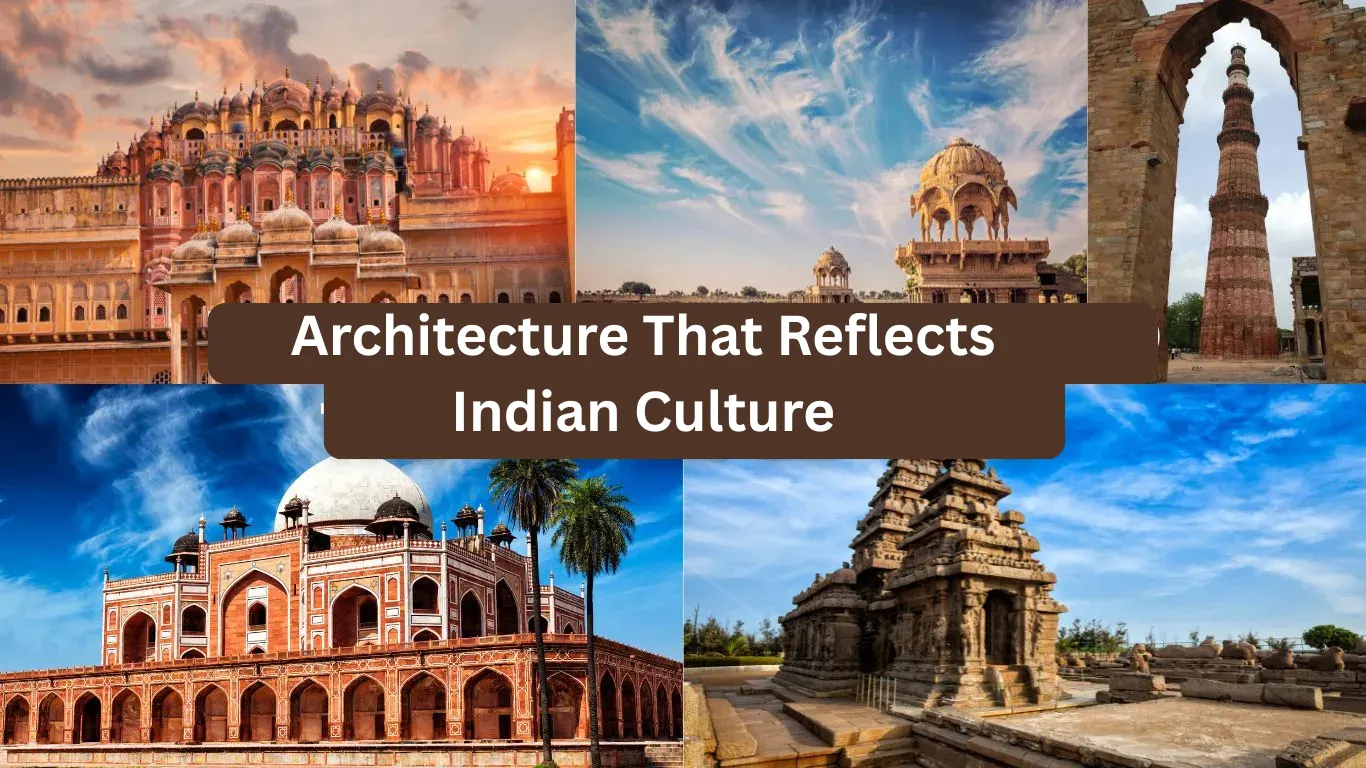
India’s architectural heritage is a living testament to its vibrant culture, centuries-old traditions, and myriad influences. The country’s landscape is dotted with structures that do not merely serve functional purposes but stand as profound expressions of India’s spiritual, social, and historical identity. From ancient temples and grand forts to contemporary urban spaces, Indian architecture is a blend of artistry, symbolism, and innovation. This article explores how architecture in India reflects the nation’s rich culture, adapting through time while holding onto its roots.
- Verified Tenants/Buyers
- Unlimited Property Listing
- Zero subscription/charges fee
The Historical Canvas: Foundations of Indian Architecture
Indian architecture boasts a lineage that stretches back thousands of years. The earliest examples can be traced to the Indus Valley Civilization, with its meticulously planned cities like Mohenjo-daro and Harappa. These ancient urban centers showcased advanced engineering, efficient drainage systems, and a keen sense of aesthetics, setting the groundwork for future architectural marvels.
Temple Architecture: Spiritual Grandeur in Stone
One of the most iconic forms of Indian architecture is its temples. Across the subcontinent, temples were built not only as places of worship but as centers of learning, social interaction, and artistic expression. The intricate carvings of the Khajuraho temples, the towering gopurams of South Indian Dravidian temples, and the majestic shikharas of North Indian Nagara temples all reflect regional variations, yet share a common ethos: the pursuit of spiritual harmony and connection with the divine. Every element—from the sanctum’s orientation to the sculpted deities—embodies cultural symbolism and ancient knowledge.
Mughal Influence: Fusion of Cultures and Forms
The arrival of the Mughals in the 16th century brought an evolution in architectural style, blending Persian, Central Asian, and indigenous Indian elements. The result was a unique Indo-Islamic architecture, characterized by grand domes, expansive courtyards, delicate jali screens, and lush gardens. Iconic structures like the Taj Mahal, Humayun’s Tomb, and Fatehpur Sikri are not just UNESCO World Heritage Sites but visual narrators of India’s composite culture. The use of red sandstone and white marble, inlay work, and calligraphy reveal both artistic finesse and a spirit of synthesis.
Regional Vernacular Architecture: Responding to Climate and Culture
India’s diverse geography and climates have given rise to distinctive regional architectural styles. In Rajasthan, the havelis and palaces are built with thick sandstone walls and courtyards to combat the desert heat. In Kerala, sloping roofs and open verandahs account for heavy monsoons, while bamboo and thatch cottages in the Northeast respond to local materials and seismic activity. These vernacular styles are not just practical; they are deeply imbued with local customs, rituals, and a sense of belonging. The use of earthy colors, decorative motifs, and indigenous materials speaks volumes about the intimate relationship between people and their environment.
Colonial Legacy: A New Chapter
The British colonial period introduced European styles such as Gothic, Baroque, and Neoclassical into Indian cityscapes. Churches, railway stations, and administrative buildings from this era—like the Victoria Memorial in Kolkata and the Chhatrapati Shivaji Terminus in Mumbai—stand as reminders of this historical phase. Yet, even these structures often feature Indian elements, from jaali windows to chhatris, creating a unique architectural amalgamation.
Modern Indian Architecture: Tradition Meets Innovation
Post-independence, Indian architects faced the challenge of forging a national identity while embracing modernity. Visionaries like Charles Correa, Balkrishna Doshi, and Laurie Baker pioneered an approach that respected tradition while innovating with materials and design. Contemporary buildings often incorporate traditional courtyards, latticed screens, and sustainable practices, reinterpreting heritage for urban living. Today, cities like Bengaluru, Mumbai, and Delhi showcase a dynamic blend of glass-clad skyscrapers and green, culturally-rooted campuses.
Symbols and Motifs: The Language of Indian Design
Indian architecture is replete with symbolic elements. The lotus, elephant, and peacock motifs, geometric patterns, and mythological scenes are not mere decoration—they convey stories and beliefs. Mandalas symbolize cosmic order, while water bodies and stepwells signify purity and life-giving forces. Such motifs connect buildings with the philosophical and spiritual currents of Indian life, transforming spaces into living narratives.
Sustainable Practices: Lessons from the Past
Long before sustainability became a global concern, traditional Indian architecture employed eco-friendly techniques. Thick walls, shaded courtyards, and wind towers ensured thermal comfort. Rainwater harvesting and use of local materials minimized environmental impact. Today, architects are revisiting these age-old solutions, integrating them with modern technology to create buildings that are both beautiful and sustainable.
Community and Space: Architecture as Social Fabric
In India, architecture is not just about structures—it is about community. Urban layouts, from ancient Jaipur’s grid system to modern smart cities, prioritize public spaces, gardens, and plazas that foster social interaction. Houses are designed for joint families, with shared courtyards and community spaces. Festivals, rituals, and daily life spill into these architectural settings, reinforcing a sense of togetherness and continuity.
Conclusion: The Living Heritage of Indian Architecture
Architecture in India is a living, breathing chronicle of its evolving culture. It absorbs influences, adapts to change, and yet, remains deeply anchored in tradition. Whether in a centuries-old temple, a Mughal garden, a colonial-era library, or a contemporary eco-friendly home, the essence of Indian culture shines through. As India strides into the future, its architecture continues to tell stories—of resilience, innovation, and an enduring connection to its roots. This harmonious blending of the old and the new ensures that Indian architecture remains a powerful reflection of the nation’s unique cultural identity.