Bangalore's Real Estate and the Emergence of Smart Cities
Read latest blogs and articles from Housystan
The Information mentioned here was last updated on:
1/4/2026Bangalore’s Real Estate and the Emergence of Smart Cities: Shaping a Modern Metropolis
Introduction: The Dynamic Pulse of Bangalore’s Property Market
Bangalore, often dubbed the “Silicon Valley of India,” has witnessed an extraordinary transformation over the past two decades. Once renowned for its lush gardens and pleasant climate, the city now stands as a throbbing hub of technology, innovation, and cosmopolitan culture. As the city expanded, so did the demand for progressive infrastructure, advanced urban planning, and sustainable living solutions. These evolving needs have paved the way for the concept of smart cities—urban spaces that leverage digital technologies to enhance quality of life, improve efficiency, and foster economic growth. This article delves into how Bangalore’s real estate sector is adapting to this new paradigm, the driving forces behind the smart city movement, and what the future holds for homebuyers and investors alike.
- Verified Tenants/Buyers
- Unlimited Property Listing
- Zero subscription/charges fee
Understanding the Smart City Concept
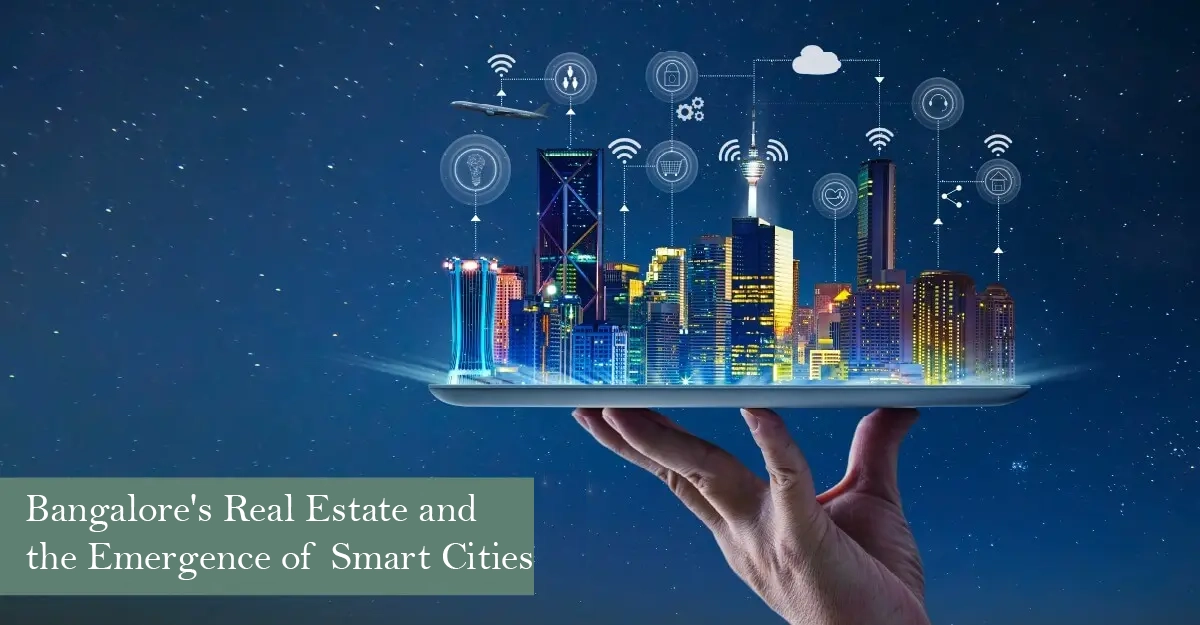
Smart cities are not just about cutting-edge technology—they represent a holistic approach to urban management. From digital infrastructure and traffic management to energy conservation and water supply, smart cities aim to integrate multiple systems for seamless functioning. Bangalore has emerged as a frontrunner in this ambitious urban experiment, setting benchmarks for other Indian metropolises. The government’s focus on smart mobility, green buildings, waste management, and e-governance has redefined the city’s development agenda. Real estate developers are increasingly incorporating smart features—such as automated lighting, IoT-enabled security systems, rainwater harvesting, and community Wi-Fi—to cater to tech-savvy residents and future-focused businesses.
Bangalore’s Real Estate Landscape: A Snapshot
The city’s property market has consistently attracted investors, end-users, and multinational corporations. Major micro-markets like Whitefield, Electronic City, Sarjapur Road, Hebbal, and North Bangalore are hotbeds of residential and commercial activity. With the influx of IT professionals and the rise in disposable incomes, demand for premium apartments, gated communities, and integrated townships has surged. Developers are now competing to offer projects that blend smart amenities with sustainable living—solar power, waste segregation, sensor-based parking, and app-driven facility management are fast becoming industry norms. The emphasis on green certifications, such as IGBC and LEED, further underscores the sector’s commitment to eco-friendly development.
The Technology-Driven Transformation
Technology is at the heart of Bangalore’s smart city initiative. The city’s widespread adoption of fiber-optic networks, 5G readiness, and integrated command centers has transformed public services and real estate offerings. Smart homes equipped with voice-controlled appliances, remote monitoring, and energy-efficient designs are now within reach for a larger segment of homebuyers. Moreover, advancements in proptech—property technology—are streamlining transactions, virtual property tours, and digital documentation, making the home-buying process faster and more transparent. For businesses, smart offices offer flexible layouts, advanced security, and collaborative workspaces, attracting global enterprises to set up shop in Bangalore.
Infrastructure Development: The Backbone of Growth
No discussion on Bangalore’s real estate is complete without highlighting its infrastructure projects. The construction of Namma Metro, expansion of arterial roads, elevated corridors, and ongoing suburban rail projects have significantly reduced commute times and boosted connectivity. Areas once considered peripheral, such as Devanahalli and Hoskote, are now emerging as investment hotspots due to improved accessibility. Smart transport solutions, including electric bus fleets, real-time traffic updates, and app-based ride-sharing, are easing urban mobility challenges. These infrastructural upgrades not only enhance the city’s liveability but also drive property values upward.
Sustainable Urban Living: Greener, Smarter, Better
As environmental concerns take center stage, sustainability has become a cornerstone of Bangalore’s real estate growth. Developers are integrating rooftop solar panels, organic waste converters, rainwater harvesting pits, and landscaped green zones. The focus is on creating self-sustaining communities that minimize ecological footprints while maximizing comfort and convenience. Residents are also showing a preference for eco-friendly features—green rooftops, EV charging stations, and low-flow water fixtures—reflecting a shift towards responsible urban living. These initiatives not only conserve resources but also contribute to healthier, more vibrant neighborhoods.
Investment Potential: Opportunities and Challenges
Bangalore’s real estate market has long been favored by both domestic and international investors. The smart city agenda has further enhanced its attractiveness, promising better returns and future-proof assets. Residential and commercial properties in smart city zones enjoy higher appreciation rates, driven by superior infrastructure, connectivity, and amenities. However, challenges remain—land acquisition bottlenecks, regulatory hurdles, and rising construction costs can impede progress. Despite these obstacles, the city’s robust demand dynamics, coupled with ongoing policy reforms, suggest a positive outlook for long-term investors.
Government Policies and Public-Private Partnerships
The Karnataka state government, in collaboration with local municipal bodies and private developers, has played a pivotal role in shaping Bangalore’s smart city vision. Initiatives such as ease-of-doing-business reforms, single-window clearances, and digitization of land records have facilitated smoother project execution. The Smart City Mission, launched nationally, has provided a blueprint for urban renewal, encouraging innovative solutions across sectors. Public-private partnerships are driving investments in affordable housing, infrastructure, and digital services, making the city more inclusive and future-ready.
The Road Ahead: What’s Next for Bangalore?
As Bangalore continues to evolve, the interplay between real estate and smart city initiatives will dictate the urban experience. The next wave of growth will likely focus on mixed-use developments, transit-oriented projects, and affordable smart homes. With metro lines extending to new localities, and the adoption of artificial intelligence, big data, and blockchain in urban management, Bangalore is poised to set new standards in Indian urbanization. For homebuyers and investors, staying informed about emerging trends—such as co-living, senior-friendly homes, and green-certified offices—will be crucial to making sound decisions in this dynamic market.
Conclusion: Building Tomorrow’s Bangalore Today
Bangalore’s real estate sector is undergoing a remarkable metamorphosis, fueled by the smart city movement and a collective vision for a sustainable, connected, and thriving metropolis. As technology reshapes urban lifestyles, and infrastructure paves the way for inclusive growth, the city stands at the forefront of India’s urban revolution. For those seeking to invest, live, or work in Bangalore, the promise of smart city living is no longer a distant dream—it is an exciting, rapidly unfolding reality.