Bangalore's Real Estate and the Rise of Boutique Hotels
Read latest blogs and articles from Housystan
The Information mentioned here was last updated on:
1/4/2026Bangalore's Real Estate and the Rise of Boutique Hotels: Transforming the City's Hospitality Landscape
Introduction: A Dynamic City in Transition
Bangalore, often called the Silicon Valley of India, is witnessing a remarkable transformation in its urban landscape. Over the past decade, the city’s real estate sector has experienced rapid growth, fuelled by an influx of tech companies, startups, and a cosmopolitan population. This evolution has paved the way for a new trend in hospitality—boutique hotels. These intimate, design-focused establishments are redefining how travelers and locals experience Bangalore, offering personalized service, unique aesthetics, and an alternative to conventional accommodation. This article explores the synergy between Bangalore's booming real estate and the burgeoning boutique hotel industry, analyzing key trends, drivers, and the implications for investors, tourists, and residents alike.
- Verified Tenants/Buyers
- Unlimited Property Listing
- Zero subscription/charges fee
Bangalore’s Real Estate: A Magnet for Growth
The real estate sector in Bangalore has long been a bellwether of the city’s economic vitality. With multinational corporations, IT parks, and research hubs proliferating across neighborhoods like Whitefield, Electronic City, and Koramangala, demand for both commercial and residential spaces has soared. Developers are responding by creating mixed-use projects that blend office spaces, retail, and residential units, fostering vibrant urban communities. These developments have not only changed the city’s skyline but also influenced lifestyles, with amenities such as restaurants, co-working spaces, and fitness centers becoming essential features.
Changing Demographics and Lifestyle Preferences
The city’s diverse population is a mix of professionals, expatriates, and millennials seeking experiences that go beyond the ordinary. As disposable incomes rise and travel aspirations evolve, there is a growing demand for accommodation that offers more than just a bed to sleep in. The rise of remote work and flexible schedules has also encouraged longer stays and a preference for spaces that combine comfort, style, and convenience. This shift in consumer behavior has encouraged hoteliers to reimagine their offerings, focusing on personalization, sustainability, and authentic local experiences.
The Boutique Hotel Phenomenon
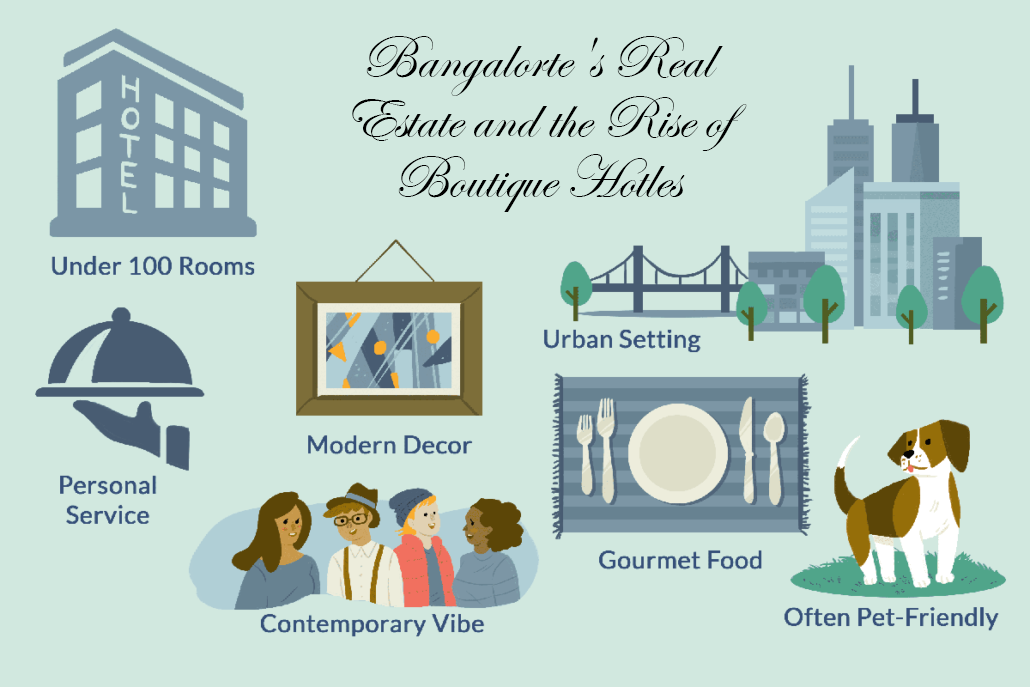
Boutique hotels—typically smaller, independently owned properties with a strong sense of identity—have found fertile ground in Bangalore’s evolving hospitality scene. Unlike large chain hotels, boutique properties emphasize individuality, often reflecting the neighborhood’s heritage, culture, or artistic spirit. Stylish interiors, curated amenities, and tailored services distinguish these hotels from their mainstream counterparts. In areas such as Indiranagar, Jayanagar, and MG Road, boutique hotels are thriving, attracting business travelers, tourists, and even locals seeking staycations or unique event venues.
Architectural Innovation and Adaptive Reuse
One of the unique aspects of Bangalore’s boutique hotel boom is the creative use of existing real estate. Developers are breathing new life into heritage bungalows, colonial-era buildings, and unused commercial spaces, converting them into charming hotels that preserve the city’s architectural legacy. Adaptive reuse not only conserves resources but also imbues these properties with character and historical significance. Many of these hotels feature art installations, local handicrafts, and green spaces, providing guests with an immersive experience of Bangalore’s cultural richness.
Technology and Sustainability: Key Differentiators
Bangalore’s reputation as a tech hub is reflected in its boutique hotels, which often lead the way in adopting smart solutions and eco-friendly practices. From contactless check-ins to app-based concierge services, technology enhances guest convenience and operational efficiency. Sustainability is another core focus, with many hotels implementing measures such as solar power, rainwater harvesting, and zero-waste kitchens. These initiatives resonate with environmentally conscious travelers and set new standards for responsible hospitality in the city.
Strategic Locations: Proximity to Business and Leisure Hubs
Location is a critical factor in the success of boutique hotels in Bangalore. Properties situated near IT corridors, cultural landmarks, and entertainment districts attract a diverse clientele. For business travelers, proximity to tech parks and convention centers offers convenience, while tourists appreciate easy access to restaurants, shopping, and nightlife. Some hotels have formed partnerships with local businesses, artists, and tour operators, enabling guests to explore Bangalore’s hidden gems and participate in curated experiences, from food walks to art workshops.
Investment Opportunities and Market Trends
The rise of boutique hotels has caught the attention of both domestic and international investors. As occupancy rates and average daily rates remain robust, boutique properties offer attractive returns, especially in prime locations. Real estate developers are increasingly collaborating with hospitality brands to create hybrid spaces that blend residential, commercial, and hotel functions. Additionally, the popularity of boutique hotels is driving innovation in design and service, setting new benchmarks for the industry and inspiring larger hotel chains to adopt more personalized, experiential models.
Challenges and the Road Ahead
While the boutique hotel segment is flourishing, it is not without challenges. Regulatory hurdles, high land prices, and competition from established hotel chains and short-term rental platforms present obstacles for new entrants. Maintaining consistent quality and unique appeal in a crowded market requires ongoing investment in staff training, design, and guest engagement. Nevertheless, the sector’s resilience and adaptability suggest that boutique hotels will remain a vital part of Bangalore’s hospitality landscape, continually evolving to meet changing consumer expectations.
Conclusion: Shaping the Future of Urban Hospitality
Bangalore’s real estate expansion and the rise of boutique hotels exemplify the city’s dynamic spirit and capacity for reinvention. As urban spaces become more integrated and lifestyles more experiential, boutique hotels are poised to play a pivotal role in shaping the future of hospitality. For travelers and locals alike, these hotels offer a window into Bangalore’s creativity, diversity, and warmth—qualities that define the city and set it apart on the global stage. As the industry continues to innovate and grow, Bangalore stands as a testament to how thoughtful development and hospitality can come together to create truly memorable experiences.