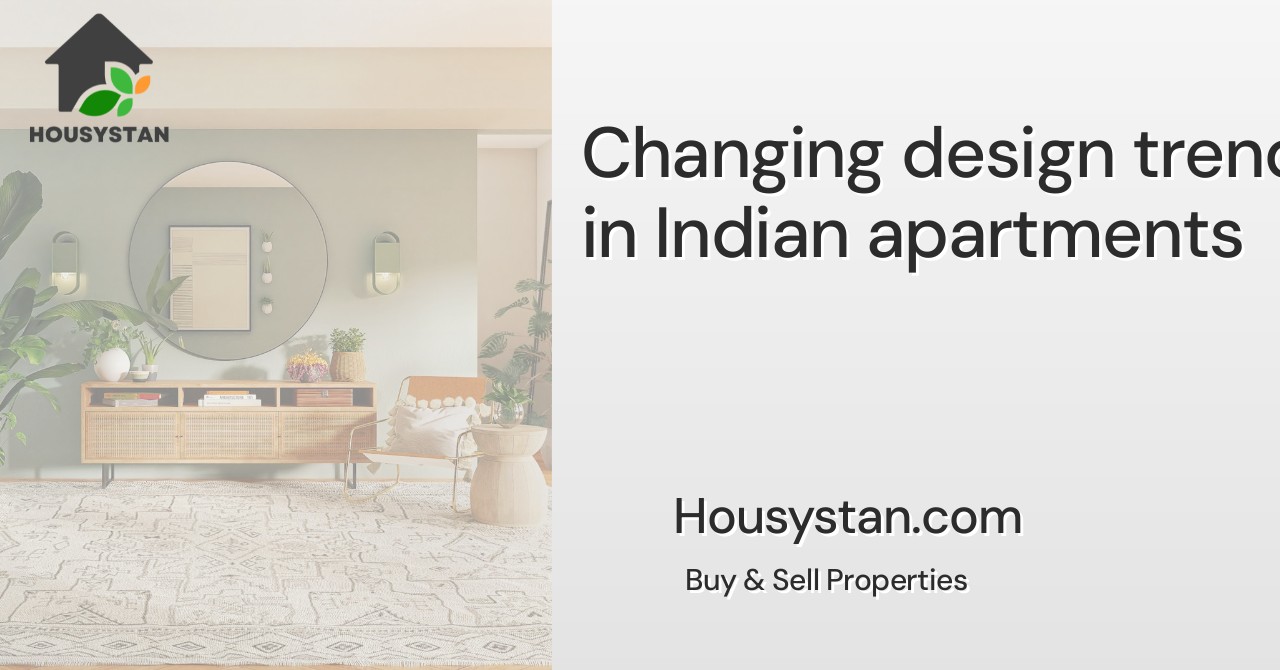
Changing design trends in Indian apartments
Read latest blogs and articles from Housystan
The Information mentioned here was last updated on:
1/4/2026Changing Design Trends in Indian Apartments: A New Era of Urban Living
Introduction: The Evolution of Indian Apartment Design
Across India's bustling cities, the concept of urban living has undergone a remarkable transformation. Indian apartments—once functional but predictable—are now canvases for creativity, sustainability, and luxury. As lifestyles shift and aspirations soar, design trends in Indian apartments have evolved to reflect a blend of tradition and contemporary sensibilities. This new era is defined by smart technology, efficient space use, wellness features, and a bold embrace of local craftsmanship. Let’s delve into how these changing design trends are reshaping Indian apartment living for millions.
- Verified Tenants/Buyers
- Unlimited Property Listing
- Zero subscription/charges fee
Space Optimization: Making Every Square Foot Count
With skyrocketing real estate prices in metros like Mumbai, Delhi, and Bengaluru, Indian apartments are getting smaller. However, limited square footage has only fueled innovation. Modern Indian homes are increasingly adopting open-plan layouts, where living, dining, and kitchen areas merge seamlessly to create the illusion of a larger space. Multi-functional furniture—think Murphy beds, extendable dining tables, and modular storage—is now a staple in urban apartments. Designers are also leveraging vertical space with floor-to-ceiling shelves and clever wall-mounted units, ensuring that every inch serves a purpose.
Smart Homes: Technology Meets Tradition
Smart home technology is no longer a futuristic fantasy in Indian apartments; it’s fast becoming a standard feature. Voice-activated assistants, security cameras, and automated lighting systems are enhancing convenience and safety. However, what sets Indian homes apart is the thoughtful integration of technology with cultural needs—such as sensor-activated pooja room lights or smart water purifiers tailored to local quality. The fusion of smart living with traditional values is a hallmark of the latest Indian apartment trends.
Sustainable Living: Green is the New Glamorous
Eco-consciousness is shaping every aspect of apartment design in India. From rainwater harvesting and low-flow fixtures to solar panels and energy-efficient appliances, sustainability is now a priority for both developers and residents. Indoor plants have also surged in popularity—not just as décor, but as air-purifying essentials in city apartments. Recycled materials, locally-sourced wood, and non-toxic paints are making Indian apartments healthier and more eco-friendly than ever before.
Personalization: Showcasing Individuality
Today’s urban Indian prefers living spaces that reflect personal style and heritage. The cookie-cutter look is out; bespoke décor is in. Homeowners are curating their apartments with hand-picked art, vintage finds, and custom-made furniture. Gallery walls featuring family photographs or regional artwork add a unique touch. Even color palettes are evolving, with bold accent walls and playful patterns replacing the once-standard neutral tones.
Wellness-Centric Design: Spaces that Heal
The pandemic era underscored the importance of wellness in home design. Indian apartments are now incorporating elements that promote physical and mental well-being. Meditation corners, yoga nooks, and balconies transformed into green retreats are increasingly common. Natural light, cross-ventilation, and ergonomic furniture are prioritized to create a rejuvenating sanctuary away from the city’s chaos. The focus on wellness extends to community amenities—think rooftop gardens, jogging tracks, and open-air gyms within apartment complexes.
Local Craftsmanship: A Nod to Indian Heritage
Indian apartments are celebrating the country’s rich artisanal traditions. Hand-painted tiles from Jaipur, brass fixtures from Moradabad, and intricate woodwork from Kerala are making their way into modern homes. This blend of old and new adds character and tells a story, while also supporting local craftsmen. The revival of traditional techniques is not just a design choice—it’s a movement towards sustainable and meaningful living.
Flexible Workspaces: Adapting to the Hybrid Work Model
The rise of remote work has driven a significant shift in apartment layouts. Homeowners are carving out dedicated work zones, whether it’s a compact study or a balcony office with a city view. Ergonomic chairs, soundproofing solutions, and ample storage are being integrated to support productivity and comfort. This adaptability ensures that Indian apartments are future-ready, catering to both professional and personal needs.
Minimalism and Maximalism: Two Sides of the Design Coin
While some Indian apartments are embracing clean lines, muted colors, and minimal décor, others are going bold with maximalist sensibilities. Vibrant wallpapers, statement lighting, and eclectic furniture pieces showcase personality and flair. The coexistence of these contrasting styles reflects the diversity of Indian tastes, allowing residents to experiment and express themselves without boundaries.
Integrated Community Spaces: Fostering Social Connections
Modern Indian apartment complexes are redefining community living. Shared lounges, co-working hubs, play zones for children, and outdoor seating areas are fostering interactions among residents. These thoughtfully designed spaces encourage a sense of belonging and transform apartment complexes into thriving micro-communities. The emphasis is on holistic living—where social, recreational, and wellness needs are all addressed within the same premises.
Conclusion: The Future of Indian Apartment Design
The changing design trends in Indian apartments are a testament to the country’s adaptability and creativity. As urbanization continues, the demand for homes that are smart, sustainable, and soulful will only grow. Today’s Indian apartments are more than just living spaces—they are personal sanctuaries, tech-savvy hubs, and vibrant reflections of culture. The ongoing evolution of design ensures that Indian urban living remains dynamic, relevant, and deeply human.