Crafting the Urban Landscape: Builders' Impact on Contemporary Apartment Architecture
Read latest blogs and articles from Housystan
The Information mentioned here was last updated on:
1/4/2026Crafting the Urban Landscape: Builders’ Impact on Contemporary Apartment Architecture
Introduction: Shaping Modern Cities Through Innovative Architecture
In the 21st century, cities around the world are experiencing a dramatic transformation fueled by rapid urbanization, evolving lifestyles, and the pressing need for sustainable living environments. At the heart of this metamorphosis are builders—visionary professionals whose expertise and creativity are redefining contemporary apartment architecture. Their work goes beyond constructing buildings; it shapes the urban landscape, influences community dynamics, and crafts the very blueprint of future city living.
- Verified Tenants/Buyers
- Unlimited Property Listing
- Zero subscription/charges fee
The Changing Face of Urban Living
Urban dwellers today demand more than just a place to reside. They seek thoughtfully designed apartments that offer comfort, convenience, and a sense of community. Builders have responded to these expectations by blending cutting-edge design with practical functionality, creating residential spaces that cater to diverse needs and lifestyles. This shift in approach is evident in cities like New York, London, Mumbai, and Singapore, where apartment architecture is a bold fusion of tradition, innovation, and sustainability.
Builders as Visionaries: From Blueprint to Skyline
Builders are no longer confined to the role of mere constructors. Instead, they act as visionaries who collaborate with architects, urban planners, and environmental experts to bring complex residential projects to life. Their expertise extends to selecting sustainable materials, integrating smart home technology, and ensuring projects adhere to regulatory frameworks. Ultimately, builders play a pivotal role in shaping skylines and forging communities that are both vibrant and resilient.
Design Trends: Embracing Sustainability and Smart Living
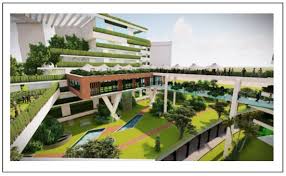
Sustainability is now a non-negotiable aspect of contemporary apartment architecture. Builders are increasingly adopting green building practices, such as using energy-efficient materials, maximizing natural light, and incorporating renewable energy solutions. Green roofs, rainwater harvesting systems, and solar panels are becoming standard features in modern apartment complexes, reflecting a commitment to environmental responsibility.
Simultaneously, the integration of smart technology is reshaping urban living. Builders are equipping apartments with automated lighting, security systems, and climate controls, offering residents unprecedented convenience and control. These advancements not only enhance quality of life but also contribute to the overall energy efficiency of buildings.
Community-Centric Developments: Fostering Social Connections
Modern apartment complexes are designed to foster a sense of community among residents. Builders are increasingly incorporating shared amenities such as rooftop gardens, co-working spaces, fitness centers, and communal lounges. These spaces serve as social hubs, encouraging interaction and collaboration, and counteracting the isolation often associated with urban living.
Furthermore, mixed-use developments—where residential apartments are integrated with retail, dining, and recreational facilities—are becoming more prevalent. Builders recognize that vibrant, walkable neighborhoods not only enhance residents’ quality of life but also contribute to the overall vitality of the urban environment.
Adapting to Demographic Shifts and Lifestyle Changes
The urban population is remarkably diverse, comprising young professionals, families, retirees, and students. Builders are responding by designing apartment layouts that cater to different life stages and preferences. From compact studios for singles to spacious multi-bedroom units for families, flexibility in design is key. Open floor plans, modular furniture, and adaptable spaces allow residents to personalize their homes according to changing needs.
Additionally, the rise of remote work has prompted builders to prioritize home offices and high-speed internet connectivity, ensuring that apartments remain functional and comfortable in a rapidly evolving world.
Challenges and Opportunities in Urban Apartment Construction
Constructing modern apartment buildings in dense urban areas presents unique challenges. Builders must navigate complex zoning laws, address infrastructure constraints, and manage rising construction costs. At the same time, they must ensure that developments are accessible, inclusive, and aligned with broader urban planning goals.
Despite these hurdles, the opportunity to transform cityscapes and improve residents’ lives drives innovation in the sector. Builders are experimenting with prefabricated construction, modular designs, and advanced building techniques to streamline processes and reduce environmental impact.
The Role of Builders in Urban Renewal
Urban renewal projects often rely on the vision and expertise of builders. By revitalizing aging neighborhoods and repurposing industrial sites, they breathe new life into once-neglected areas. These projects not only provide much-needed housing but also preserve cultural heritage and support local economies. Builders thus act as stewards of urban regeneration, balancing progress with preservation.
Looking Ahead: The Future of Apartment Architecture
As cities continue to grow and evolve, the role of builders in shaping the urban landscape will become even more critical. The next generation of apartment complexes will likely place greater emphasis on net-zero energy consumption, biophilic design, and adaptability to climate change. Builders will need to harness new technologies, collaborate across disciplines, and engage with communities to create sustainable, resilient, and inclusive urban environments.
Conclusion: Builders as Architects of Urban Transformation
Contemporary apartment architecture stands as a testament to the ingenuity, dedication, and vision of builders. Their impact extends far beyond the physical structures they create; it is woven into the fabric of urban life itself. By embracing sustainability, fostering community, and driving innovation, builders are not just crafting homes—they are shaping the future of cities. As urban landscapes continue to evolve, their influence will remain at the forefront of architectural progress and societal change, ensuring that cities remain vibrant, livable, and welcoming for generations to come.