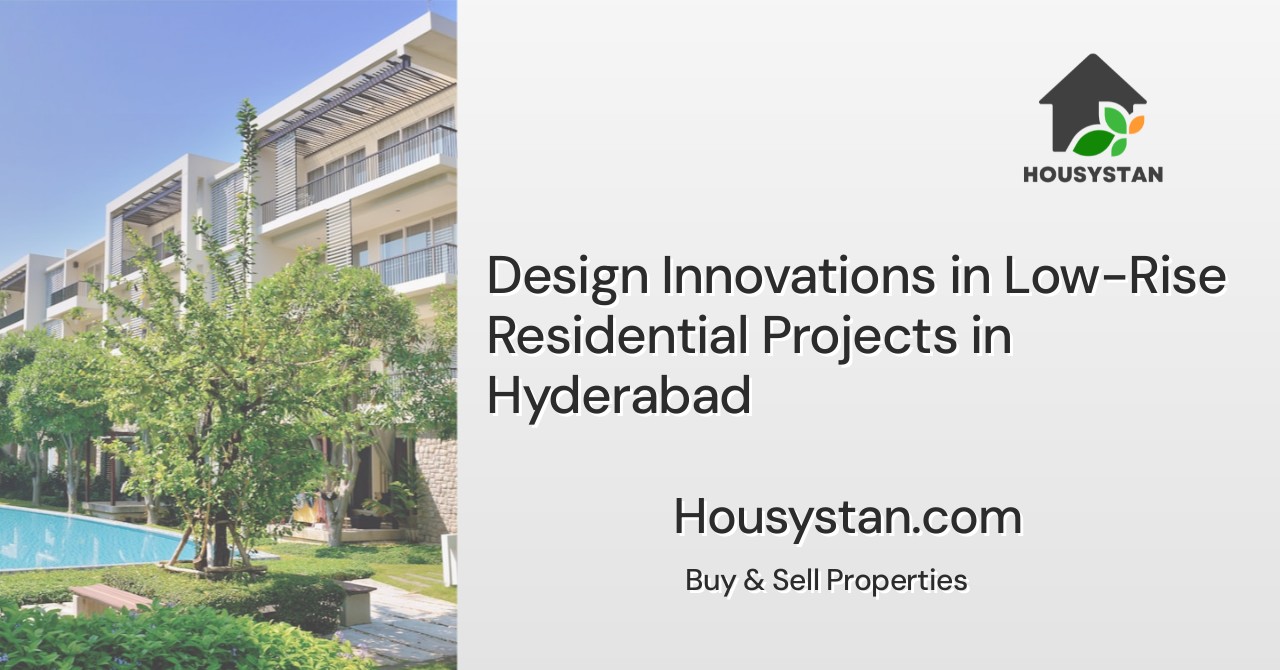
Design Innovations in Low-Rise Residential Projects in Hyderabad
Read latest blogs and articles from Housystan
The Information mentioned here was last updated on:
1/4/2026Design Innovations in Low-Rise Residential Projects in Hyderabad
Introduction: The Changing Landscape of Hyderabad’s Housing
Hyderabad, known for its rich historical heritage and rapid technological advancements, is experiencing a new wave of transformation in its residential sector. As the city evolves, so do the aspirations of its residents, leading to a noticeable shift towards low-rise residential projects. These developments are not just about offering homes but are setting benchmarks in architectural excellence, sustainability, and community-centric living. This article explores the latest design innovations shaping low-rise residential projects in Hyderabad, delving into the architectural trends, eco-friendly practices, smart home technologies, and the integration of community spaces that are redefining urban living.
- Verified Tenants/Buyers
- Unlimited Property Listing
- Zero subscription/charges fee
Architectural Evolution: Blending Tradition and Modernity
Modern low-rise residential projects in Hyderabad reflect a harmonious blend of traditional aesthetics and contemporary functionality. Architects are drawing inspiration from the city’s rich cultural roots, incorporating elements like courtyards, jaali screens, and verandas into sleek, modern layouts. This design approach not only pays homage to Hyderabad’s architectural heritage but also enhances natural ventilation and daylight, reducing reliance on artificial lighting and air conditioning. The use of local materials such as Deccan stone, terracotta, and lime plaster adds authenticity while minimizing the carbon footprint associated with transportation.
Space Optimization: Maximizing Comfort and Utility
With land becoming increasingly scarce, maximizing usable space has become a priority for developers. Innovative floor plans are being designed to ensure every square foot is functional. Open-plan living areas, multi-purpose rooms, and modular furniture are now common features in low-rise residences. Large balconies, rooftop gardens, and private terraces extend living spaces outdoors, offering residents a sense of openness and a connection with nature. These spatial innovations cater to the evolving lifestyles of urban families, who seek flexibility and comfort without compromising on aesthetics.
Sustainable Building Practices: Prioritizing Eco-Friendliness
Environmental sustainability is a core focus in Hyderabad’s low-rise residential projects. Developers are adopting green building practices such as rainwater harvesting, solar panel installations, and the use of energy-efficient appliances. Passive design strategies, like orienting buildings to maximize cross-ventilation and minimizing heat gain, are reducing overall energy consumption. Moreover, native landscaping with drought-resistant plants is being used to conserve water and foster biodiversity. These measures not only reduce the ecological impact but also cut down on long-term maintenance costs for homeowners.
Smart Home Technology: Redefining Urban Living
The integration of smart home technology has become a hallmark of new low-rise residential projects in Hyderabad. Home automation systems allow residents to control lighting, security, and climate from their smartphones. Features such as smart locks, video doorbells, and motion sensors enhance safety, while intelligent lighting and HVAC systems optimize energy use. Developers are also incorporating electric vehicle charging points and high-speed internet infrastructure, anticipating the needs of tech-savvy residents. These smart solutions not only offer convenience but also increase property value in a competitive market.
Community Spaces: Fostering Social Interaction and Well-being
Modern low-rise developments are designed with a strong emphasis on community living. Shared amenities like landscaped gardens, children’s play areas, fitness centers, and multipurpose halls encourage social interaction among residents. Walking tracks, jogging paths, and meditation zones promote a healthy lifestyle and cater to a variety of age groups. The inclusion of co-working spaces and reading lounges addresses the growing demand for work-from-home flexibility. By creating vibrant communal spaces, developers are nurturing a sense of belonging and security within these residential enclaves.
Accessibility and Connectivity: Enhancing Urban Integration
Strategic location and seamless connectivity are key factors in the success of low-rise residential projects. Developers are choosing sites with easy access to major IT hubs, educational institutions, healthcare facilities, and shopping centers. Proximity to public transport and arterial roads ensures that residents remain well-connected to the rest of Hyderabad. Thoughtful infrastructure planning, including wide internal roads and ample parking, addresses urban mobility challenges while maintaining a tranquil living environment.
Customizability: Empowering Homeowners
Personalization is gaining prominence in Hyderabad’s low-rise housing market. Developers are offering customizable floor plans, interior finishes, and home automation packages, allowing buyers to create spaces that truly reflect their lifestyles and preferences. This flexibility appeals to a diverse clientele, from young professionals to multigenerational families, who seek homes that can adapt to their changing needs.
Safety and Security: Creating Peace of Mind
State-of-the-art security features are now standard in most low-rise projects. Gated communities with 24/7 surveillance, video intercoms, and access control systems provide a safe environment for residents. Emergency response protocols and fire safety measures are meticulously planned, ensuring compliance with the latest building regulations. These initiatives instill confidence among homeowners and contribute to the overall appeal of low-rise developments.
Future Trends: What Lies Ahead for Low-Rise Residential Projects
The demand for low-rise residential projects in Hyderabad is expected to grow, driven by changing lifestyle preferences and the desire for sustainable living. Future innovations may include greater integration of artificial intelligence for home management, advanced water recycling systems, and smart community management platforms. As sustainability becomes a non-negotiable aspect of urban development, Hyderabad’s low-rise sector is poised to set new benchmarks in environmentally responsible and people-centric design.
Conclusion: Redefining Urban Living in Hyderabad
Design innovations in low-rise residential projects are transforming Hyderabad’s urban landscape, offering a compelling alternative to high-rise living. By combining architectural heritage with modern technology, prioritizing sustainability, and fostering a sense of community, these developments are elevating the standard of urban housing. As Hyderabad continues to grow, low-rise residential projects will remain at the forefront of design evolution, setting a new standard for comfort, convenience, and quality of life in the city.