Duplex vs Penthouse Comparison
Read latest blogs and articles from Housystan
The Information mentioned here was last updated on:
1/4/2026Duplex vs Penthouse Comparison: Navigating Luxury Living Choices
Introduction: Understanding the Pinnacle of Urban Living
As metropolitan skylines stretch ever higher, the quest for the ultimate urban dwelling has led discerning homeowners to two primary contenders: the duplex and the penthouse. Both offer an elevated lifestyle, but their features, layout, and appeal set them apart in significant ways. For those on the hunt for the perfect blend of comfort, prestige, and functionality, understanding the nuances between these luxury residences is essential. This comparison aims to highlight the defining characteristics, advantages, and considerations that come with duplexes and penthouses, helping prospective buyers and investors make informed decisions in the dynamic real estate market.
- Verified Tenants/Buyers
- Unlimited Property Listing
- Zero subscription/charges fee
Defining the Spaces: What is a Duplex?
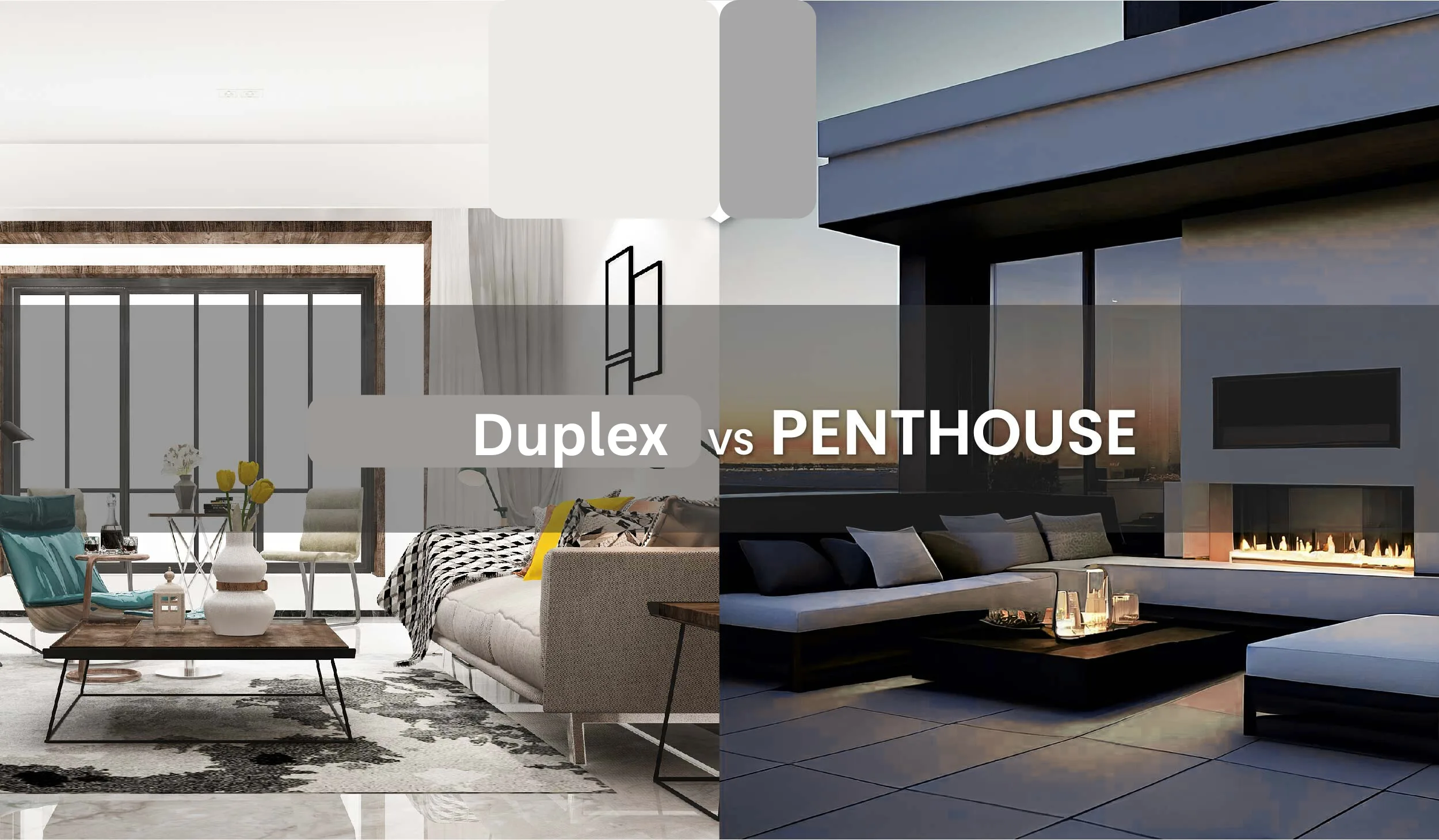
A duplex typically refers to a residential unit spread across two floors, connected by an internal staircase. Unlike apartments stacked on separate levels, both floors of a duplex are owned or rented by a single occupant or family, offering a unique townhouse feel within an apartment complex. Duplexes are known for their spacious layouts, giving residents the feeling of living in a house within the city, often accompanied by private balconies, terraces, or garden spaces.
What Makes a Penthouse Stand Out?
A penthouse is usually the crown jewel of a high-rise building, occupying the topmost floor. It is often larger than standard apartments and comes with exclusive access to panoramic views, expansive terraces, and high-end amenities. Penthouses boast luxurious interiors, cutting-edge finishes, and a level of privacy unmatched by lower-floor units. These features combine to offer residents a sense of exclusivity and prestige, cementing the penthouse's status as a symbol of success and luxury.
Layout and Space Utilization: The Key Differences
One of the most significant distinctions between a duplex and a penthouse lies in their layout. Duplexes offer vertical separation, often making them ideal for families seeking dedicated spaces for living, working, and relaxation. Bedrooms and private quarters are usually located on one floor, while communal areas like the living room, kitchen, and dining area are on the other. This clear division supports both privacy and connectivity within the home.
Penthouses, on the other hand, typically feature sprawling single-floor layouts. Open-concept designs are common, maximizing the use of space and natural light. Large glass windows and sliding doors open out to private rooftop terraces or balconies, perfect for hosting gatherings or enjoying cityscapes. The absence of internal stairs makes penthouses more accessible, particularly for older residents or those with young children.
Privacy and Exclusivity: A Matter of Perspective
Privacy is a pivotal factor in luxury real estate. Duplexes, though exclusive, are often located on lower or mid-level floors within a building. They may share corridors, elevators, and other facilities with more residents. However, the internal separation of floors within each unit gives families a greater sense of seclusion and personal space.
Penthouses, by virtue of their position at the top, guarantee a higher degree of privacy. With fewer neighbors on the same floor, dedicated elevators in some buildings, and restricted access, penthouse owners enjoy a level of exclusivity that is hard to match. Noise from the street and other apartments is minimized, creating a tranquil oasis above the urban hustle and bustle.
Views and Outdoor Spaces: The Allure of the Skyline
When it comes to breathtaking views, penthouses have a natural advantage. Perched atop the building, they offer sweeping vistas of the city, water bodies, or green spaces, depending on location. Expansive terraces and rooftop gardens are often part of the package, allowing residents to soak in the sunrise or sunset from the comfort of their own home.
Duplexes, while not always at the highest point, frequently feature private outdoor spaces such as balconies, decks, or even small gardens. These areas provide a touch of nature and a place for relaxation, though the views may not be as panoramic as those from a penthouse. Nevertheless, clever architectural design can ensure that duplexes still offer a sense of openness and connection to the outdoors.
Luxury Amenities and Customization: Tailored Experiences
Both duplexes and penthouses are associated with upscale amenities, but the degree and nature of luxury can differ. Penthouses often come with bespoke features, such as private pools, jacuzzis, smart home systems, and designer interiors. High ceilings, floor-to-ceiling windows, and premium finishes are standard, ensuring every detail exudes sophistication.
Duplexes, too, offer customization options, with owners frequently investing in personalized interiors, state-of-the-art kitchens, and home automation. The multi-level arrangement allows for creative design solutions, such as double-height living rooms or indoor gardens. While amenities may be slightly less extravagant compared to penthouses, duplexes still provide an outstanding level of comfort and style.
Investment Value and Resale Potential
From an investment perspective, both property types hold considerable appeal. Penthouses, with their scarcity and prestige, command premium prices and tend to appreciate steadily over time. They attract high-net-worth individuals and are considered trophy assets in any portfolio. The resale market for penthouses is strong, especially in prime locations where space at the top is limited.
Duplexes, meanwhile, cater to a broader segment of buyers, including families and professionals seeking more space without leaving the city. Their relatively lower cost per square foot and adaptable layouts make them attractive for both end-users and investors. While the appreciation rate may not always match that of penthouses, duplexes offer stability and consistent demand in the urban housing market.
Lifestyle Considerations: Choosing What Fits
The decision between a duplex and a penthouse ultimately depends on lifestyle preferences and practical needs. Those seeking unparalleled views, prestige, and minimal disturbance may gravitate towards penthouses. The top-floor position, luxurious amenities, and exclusive access create an unmatched living experience.
Meanwhile, families or individuals who prioritize functional space, multi-level living, and a house-like atmosphere within an apartment complex may find duplexes more suitable. Duplexes strike a balance between privacy, community, and affordability, making them a versatile choice in luxury real estate.
Conclusion: Weighing Your Options in Luxury Living
In the final analysis, both duplexes and penthouses represent the pinnacle of urban living, each offering distinct advantages. Whether it’s the sky-high allure of a penthouse or the spacious elegance of a duplex, the choice rests on personal aspirations, lifestyle needs, and investment goals. By understanding the core differences—space, privacy, amenities, and value—buyers can confidently navigate the market and secure a home that truly resonates with their vision of luxury living.