Eco-Friendly Construction Materials in Bangalore's Real Estate
Read latest blogs and articles from Housystan
The Information mentioned here was last updated on:
1/4/2026Eco-Friendly Construction Materials in Bangalore's Real Estate
Introduction: Bangalore's Sustainable Shift
Bangalore, often called the Silicon Valley of India, has witnessed an unprecedented real estate boom over the past decade. However, as urbanization accelerates, concerns about environmental degradation and unsustainable construction practices have come to the forefront. Today, the city’s builders, architects, and homeowners are responding with a growing interest in eco-friendly construction materials. These sustainable choices are reshaping Bangalore’s skylines while aiming to minimize the carbon footprint, reduce waste, and conserve natural resources.
- Verified Tenants/Buyers
- Unlimited Property Listing
- Zero subscription/charges fee
The Rise of Green Construction in Bangalore
Driven by both environmental awareness and stringent government regulations, Bangalore’s real estate sector is embracing green building philosophies like never before. Sustainable construction materials are no longer a niche preference—they are becoming the standard for residential complexes, commercial hubs, and public infrastructure. Let’s explore the key eco-friendly construction materials making waves in Bangalore’s burgeoning real estate market.
Bamboo: The Sustainable Wonder
Bamboo has emerged as a frontrunner among renewable construction materials in Bangalore. Its rapid growth rate, strength-to-weight ratio, and natural resistance to pests make it an attractive alternative to traditional hardwoods. Builders are using bamboo for scaffolding, flooring, wall paneling, and even roofing. Unlike conventional timber, bamboo regenerates quickly and requires minimal water and pesticides, making it a highly sustainable resource for eco-conscious developers.
Fly Ash Bricks: Turning Waste Into Wealth
Another hallmark of green construction in Bangalore is the use of fly ash bricks. These bricks are produced from fly ash, a byproduct of coal combustion in power plants. By diverting industrial waste from landfills and minimizing the need for clay mining, fly ash bricks significantly lower carbon emissions. They are lightweight, durable, and offer excellent thermal insulation—perfect for Bangalore’s warm climate. Residential and commercial projects across the city are increasingly favoring these bricks for their cost-effectiveness and eco-friendly profile.
Autoclaved Aerated Concrete (AAC) Blocks: Lightweight and Efficient
AAC blocks are another popular choice among Bangalore’s construction fraternity. Made from a mixture of cement, lime, sand, water, and an aerating agent, these blocks are lighter than traditional bricks and provide superior insulation. Their porous structure reduces the load on building foundations and helps maintain cooler indoor temperatures, thereby reducing energy consumption for air conditioning—a critical advantage in Bangalore’s tropical environment.
Recycled Steel: Strength With Responsibility
Steel is indispensable in modern construction, but its production is energy-intensive. The use of recycled steel in Bangalore’s real estate projects is a significant step towards sustainability. Recycled steel retains the same structural integrity as freshly manufactured steel but involves far lower energy consumption in its processing. It also supports the circular economy by reusing materials that would otherwise end up as industrial waste.
Low-VOC Paints and Finishes: Cleaner Air Indoors
Indoor air quality is a growing concern in urban homes and offices. Traditional paints and finishes often emit volatile organic compounds (VOCs) that can adversely affect health. Many Bangalore developers now specify low-VOC or VOC-free paints for interiors. These products minimize harmful emissions, creating healthier living spaces while also benefiting the environment during both production and application.
Solar Roof Tiles: Harnessing Renewable Energy
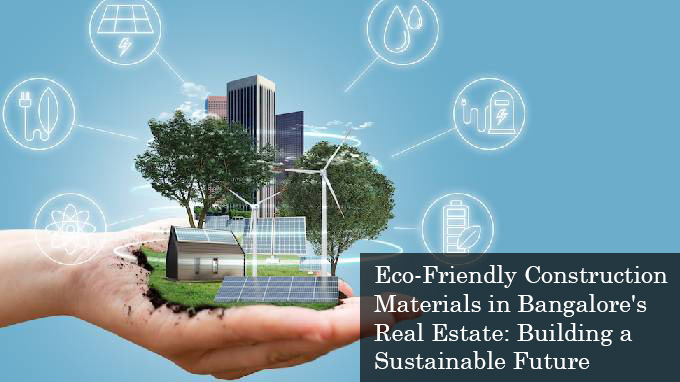
With Bangalore’s abundant sunshine, solar roof tiles have become an innovative addition to eco-friendly buildings. Unlike traditional solar panels, these tiles seamlessly integrate into the roof design while generating clean electricity. Many new residential and commercial developments in Bangalore are adopting solar roof tiles to reduce reliance on the grid, lower utility costs, and promote renewable energy consumption.
Reclaimed Wood: Character and Conservation
Reclaimed wood, sourced from old structures or fallen trees, is gaining popularity for its rustic charm and sustainable credentials. Using reclaimed wood for doors, windows, and furniture reduces the demand for new timber and preserves forest ecosystems. Bangalore’s eco-conscious homeowners and designers appreciate the unique textures and stories that reclaimed wood brings to modern interiors.
Green Roof Systems: Nature on Top
Green roofs—rooftop gardens with layers of vegetation—are transforming the city’s urban landscape. These living roofs enhance a building’s insulation, absorb rainwater, and filter pollutants. In Bangalore’s dense neighborhoods, green roof systems provide much-needed green spaces, help control urban heat, and support local biodiversity. Several innovative projects in the city have showcased the potential of green roofs to combine functionality with environmental stewardship.
Permeable Paving: Managing Water Sustainably
As Bangalore grapples with water scarcity and urban flooding, permeable paving solutions are gaining attention. These specially designed pavers allow rainwater to seep into the ground, replenishing groundwater and reducing runoff. Developers are incorporating permeable materials in driveways, walkways, and parking lots to improve rainwater management and enhance sustainability credentials.
The Role of Certifications in Green Construction
Certifications like the Indian Green Building Council (IGBC), LEED, and GRIHA are encouraging developers to adopt eco-friendly materials and practices. Many new projects in Bangalore aspire for these certifications, which validate the use of sustainable materials and energy-efficient design. Such recognition not only enhances the property’s value but also attracts environmentally conscious buyers and tenants.
Challenges and the Road Ahead
Despite the many advantages, the transition to eco-friendly construction materials in Bangalore isn’t without challenges. Higher upfront costs, limited local supply chains, and a lack of widespread awareness sometimes hinder adoption. However, as demand grows and technology advances, these barriers are gradually being overcome. Government incentives, public-private partnerships, and educational initiatives are also playing a crucial role in making green building materials more accessible and affordable.
Conclusion: Building a Greener Bangalore
The movement towards eco-friendly construction materials is not just a passing trend—it’s an essential shift for Bangalore’s sustainable future. By integrating bamboo, fly ash bricks, AAC blocks, recycled steel, solar tiles, and other green materials, the city’s real estate sector is setting new benchmarks for responsible development. As more stakeholders embrace sustainability, Bangalore is well on its way to becoming a model metropolis that balances growth with environmental stewardship. The choices made today in material selection and design will shape the city’s ecological legacy for generations to come.