Eco-friendly Housing Trends in India
Read latest blogs and articles from Housystan
The Information mentioned here was last updated on:
1/4/2026Eco-Friendly Housing Trends in India: Paving the Way for a Sustainable Future
Introduction: A Green Revolution in Indian Real Estate
India’s urban landscape is undergoing a significant transformation as eco-friendly housing becomes a mainstream trend. Driven by pressing environmental concerns, a growing awareness of climate change, and the government’s push for sustainable development, both homebuyers and developers are embracing green building practices. This new wave of eco-conscious construction is not only reducing the nation’s carbon footprint but also offering long-term savings and a healthier lifestyle for residents.
- Verified Tenants/Buyers
- Unlimited Property Listing
- Zero subscription/charges fee
The Rise of Sustainable Architecture
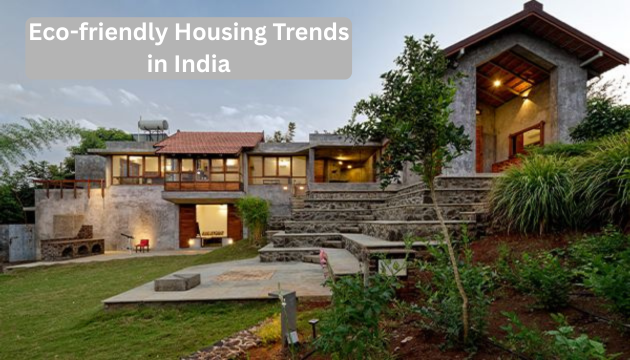
Eco-friendly housing in India is rooted in the principles of sustainable architecture. Builders and architects now prioritize energy efficiency, natural lighting, and ventilation, ensuring homes consume less power while maintaining comfort. Traditional architectural wisdom, such as the use of courtyards and verandas, is being revived alongside modern innovations to create dwellings that blend seamlessly with the environment.
Green Building Materials: A Shift Away from Conventional Choices
The selection of building materials is central to the eco-friendly housing movement. Developers are moving beyond conventional concrete and steel to embrace alternatives such as fly ash bricks, recycled steel, bamboo, and rammed earth. These materials minimize environmental impact, reduce waste, and often offer superior thermal insulation, resulting in cooler homes and lower energy bills.
Energy Efficiency through Smart Design and Technology
One of the most significant eco-friendly housing trends in India is the integration of energy-efficient technologies. Solar panels are increasingly being installed on rooftops, providing renewable energy for daily use. High-performance glass windows, LED lighting, and smart home automation systems further optimize energy consumption. Rainwater harvesting systems, solar water heaters, and energy-efficient appliances are becoming standard features in many new residential projects.
Water Conservation: An Urgent Priority
With water scarcity looming over several Indian cities, water conservation has emerged as a crucial component of sustainable housing. Developers are incorporating rainwater harvesting, greywater recycling, and low-flow plumbing fixtures to reduce water usage. Xeriscaping—landscaping with drought-tolerant plants—is also gaining traction, ensuring green spaces thrive without excessive irrigation.
Green Certifications: Raising the Bar for Sustainability
Certification systems such as the Indian Green Building Council (IGBC), Leadership in Energy and Environmental Design (LEED), and GRIHA (Green Rating for Integrated Habitat Assessment) are setting benchmarks for eco-friendly construction. Projects with these green certifications offer enhanced credibility, attracting environmentally conscious buyers and investors. These standards evaluate everything from energy consumption and water management to indoor air quality and waste reduction.
Affordable Green Housing: Expanding Reach Beyond the Elite
Initially, green housing in India was perceived as a luxury reserved for high-end buyers. However, developers are now focusing on affordable eco-friendly homes, democratizing access to sustainable living. Cost-effective technologies, government incentives, and innovative design are making it possible for middle- and lower-income families to enjoy the benefits of green housing.
Community-Focused Developments: Building Social Sustainability
Sustainable housing is not just about individual homes; it’s about fostering healthy, vibrant communities. Modern residential complexes feature shared green spaces, organic gardens, composting facilities, and cycling tracks. These community-centric amenities promote social interaction, healthy lifestyles, and a collective sense of environmental responsibility among residents.
Government Initiatives and Policy Support
The Indian government has introduced several policies and incentives to encourage eco-friendly housing development. Programs like the Pradhan Mantri Awas Yojana (PMAY) emphasize affordable and sustainable urban housing. Tax rebates, fast-track environmental clearances, and subsidies for renewable energy installations are motivating both builders and buyers to choose green solutions. The Smart Cities Mission further integrates sustainability into urban planning, creating blueprints for future-ready cities.
Role of Real Estate Developers and Homebuyers
Progressive real estate developers are at the forefront of the green building movement, investing in research and adopting best practices from around the world. Equally, Indian homebuyers are becoming more discerning, seeking homes that not only offer comfort but also align with their values of environmental stewardship. This shift in consumer preference is pushing the industry towards more innovative and sustainable offerings.
Challenges to Widespread Adoption
Despite the positive momentum, challenges remain. Upfront costs for green technologies, lack of awareness among some buyers, and limited availability of eco-friendly materials can hinder progress. However, as technology advances and economies of scale kick in, costs are expected to decline, making sustainable housing more accessible.
The Impact on Urban Infrastructure
Eco-friendly housing has a ripple effect on urban infrastructure. Reduced energy and water demand eases the burden on city utilities, while enhanced waste management minimizes landfill pressure. Green homes also contribute to improved air quality, noise reduction, and overall urban resilience, making cities more livable and future-proof.
The Road Ahead: Innovations Shaping the Future
The future of eco-friendly housing in India looks promising, with innovations such as green roofs, solar facades, and modular construction poised to become mainstream. As climate change challenges intensify, the adoption of zero-energy buildings and net-positive homes—structures that generate more energy than they consume—will become increasingly important.
Conclusion: A Sustainable Dream Within Reach
Eco-friendly housing trends in India are rapidly reshaping the real estate sector, offering hope for a greener, cleaner, and more sustainable future. With policy support, technological advancements, and rising environmental consciousness, green homes are no longer a distant dream but an achievable reality for millions of Indians. Choosing sustainability today is a step towards a healthier tomorrow, ensuring that India’s growth story is both inclusive and environmentally responsible.