Emerging Trends in Landscaping and Green Spaces for Urban Apartments
Read latest blogs and articles from Housystan
The Information mentioned here was last updated on:
1/4/2026Emerging Trends in Landscaping and Green Spaces for Urban Apartments
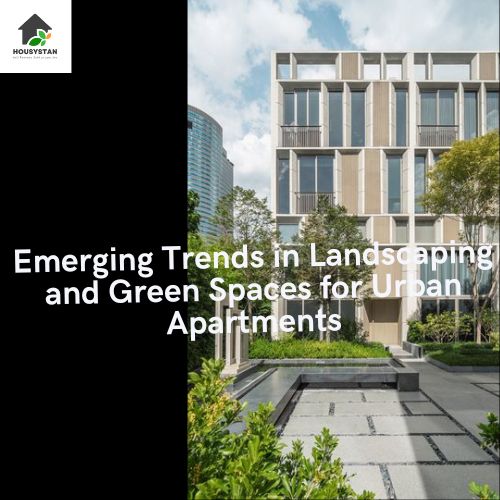
Urbanization is dramatically reshaping city skylines, and as vertical living becomes the norm, the allure of green spaces in urban apartments has never been more compelling. Landscaping and green space integration are now vital aspects of apartment design, not just for aesthetics but for their profound impact on residents’ well-being and the environment. This article explores the latest trends, innovative techniques, and sustainable approaches redefining landscaping in the urban apartment sector.
The Rising Demand for Green Spaces in Urban Living
- Verified Tenants/Buyers
- Unlimited Property Listing
- Zero subscription/charges fee
With city dwellers increasingly seeking refuge from concrete jungles, the demand for accessible green spaces has soared. Urban apartments that offer lush gardens, rooftop terraces, and vertical greenery are now at a premium. Residents prioritize fresh air, tranquility, and opportunities for recreation, making landscaped areas a central selling point for property developers and real estate agents alike.
Biophilic Design: Connecting Residents with Nature
One of the most significant trends is biophilic design—a concept that integrates natural elements into built environments. This approach goes beyond adding a few potted plants; it involves creating immersive experiences where nature is seamlessly woven into architecture. Vertical gardens, living walls, and indoor courtyards are prime examples, fostering a connection to the outdoors within apartment complexes. Studies show that biophilic spaces can reduce stress, enhance mood, and even boost productivity among residents.
Rooftop Gardens: Urban Oases Above the City
Rooftop gardens have become symbolic of sustainable urban living. These elevated green spaces not only offer panoramic views but also provide areas for relaxation, yoga, and community gatherings. Many rooftop gardens now incorporate edible plants, allowing residents to grow herbs, vegetables, and fruits. Beyond social and recreational benefits, rooftop greenery helps mitigate the urban heat island effect, improves air quality, and increases overall building insulation.
Vertical Landscaping: Greening the Concrete Canvas
Limited ground space in cities has led to the rise of vertical landscaping. Living walls—covered in mosses, ferns, or flowering plants—transform blank apartment exteriors and interior courtyards into vibrant, living canvases. These installations not only enhance aesthetics but also act as natural air filters, reducing dust and pollutants. Vertical landscaping is particularly popular in high-density developments where horizontal gardens are not feasible.
Sustainable Materials and Eco-Friendly Practices
Modern landscaping for urban apartments emphasizes sustainability at every stage. Developers are increasingly opting for permeable paving, recycled materials, and native plant species that require minimal water and maintenance. Rainwater harvesting systems, drip irrigation, and solar-powered lighting are now standard features in many eco-conscious apartment complexes. These practices not only conserve resources but also appeal to environmentally aware residents.
Community Gardening: Fostering Social Interaction
Community gardens are making a strong comeback in urban apartment landscapes. These shared plots allow residents to cultivate flowers, vegetables, and herbs together, fostering a sense of community and shared responsibility. Community gardening initiatives can bridge cultural gaps, promote healthy eating, and provide educational opportunities for children. For many urban dwellers, these gardens offer a rare chance to reconnect with nature and neighbors alike.
Smart Technology in Landscape Management
The advent of smart technology is revolutionizing landscape maintenance in urban apartments. Automated irrigation systems, app-controlled lighting, and real-time soil monitoring enable efficient upkeep with minimal manual intervention. Tech-savvy landscaping solutions not only save water and energy but also ensure that green spaces remain healthy and beautiful year-round. Integrated sensors can detect moisture levels, monitor plant health, and even alert maintenance teams to potential issues.
Wellness-Focused Outdoor Amenities
Landscaping in urban apartments is increasingly tailored towards wellness. Designers are incorporating meditation gardens, fitness trails, and sensory pathways that encourage residents to spend time outdoors. These features promote physical activity, mental relaxation, and social engagement, aligning with the global emphasis on holistic well-being. Water features, aromatic plants, and shaded seating areas further enhance the calming atmosphere.
Wildlife-Friendly Landscapes: Supporting Urban Biodiversity
Urban apartments are also embracing landscapes that support local wildlife. Native plantings, pollinator gardens, and bird-friendly habitats attract butterflies, bees, and birds, contributing to urban biodiversity. These ecological initiatives not only enrich the living environment but also educate residents about the importance of conservation, turning apartment complexes into urban sanctuaries for both people and wildlife.
Inclusive and Accessible Green Spaces
Accessibility is a growing concern in landscaping design for urban apartments. Developers are ensuring that green areas are inclusive, with wheelchair-friendly paths, sensory gardens for the visually impaired, and child-safe play zones. Thoughtful design ensures that all residents, regardless of age or ability, can enjoy the restorative benefits of nature in their living environment.
Low-Maintenance, Drought-Resistant Plant Selections
With concerns over water scarcity and busy urban lifestyles, low-maintenance and drought-resistant plants are gaining popularity in apartment landscaping. Succulents, ornamental grasses, and native shrubs require minimal watering and upkeep, making them ideal for city dwellers. These plant choices not only conserve resources but also ensure that green spaces remain lush and inviting throughout the year.
Future Outlook: The Evolving Landscape of Urban Living
As cities continue to grow upwards and outwards, the integration of innovative, sustainable, and people-centric green spaces will remain a key differentiator for urban apartments. The trends outlined above reflect a shift towards healthier, more resilient, and more connected communities. Developers, architects, and landscape designers are collaborating more closely than ever to reimagine what urban living can—and should—look like.
In summary, landscaping and green spaces are no longer afterthoughts in urban apartment design. They are central to creating vibrant, sustainable, and livable cities. As residents’ expectations evolve, so too will the creative approaches to bringing nature into the heart of urban living. The cities of tomorrow will not only be defined by their skylines but by the verdant, life-affirming spaces woven throughout their fabric.