Energy-efficient Homes and Their Long-term Benefits
Read latest blogs and articles from Housystan
The Information mentioned here was last updated on:
1/4/2026Energy-Efficient Homes and Their Long-term Benefits
Introduction: The Growing Importance of Energy Efficiency
As climate change concerns rise and utility costs soar, the demand for energy-efficient homes is stronger than ever. Homeowners, real estate developers, and policy makers are realizing the profound impact that energy-efficient building designs can have, not just on monthly expenses, but on overall quality of life and the environment. In this article, we explore the concept of energy-efficient homes, the technologies driving their adoption, and the long-term benefits that make them a smart investment for the future.
- Verified Tenants/Buyers
- Unlimited Property Listing
- Zero subscription/charges fee
What Defines an Energy-Efficient Home?
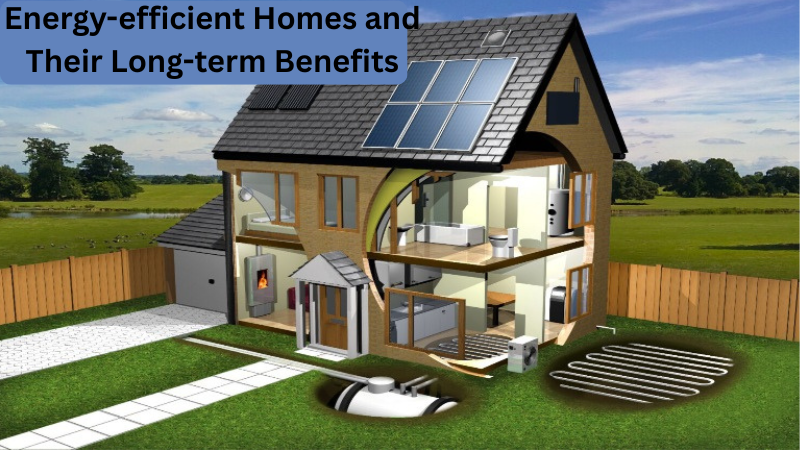
An energy-efficient home is designed to reduce unnecessary energy consumption, greenhouse gas emissions, and the overall carbon footprint. These homes incorporate a range of features including advanced insulation, high-performance windows, smart HVAC systems, and renewable energy sources like solar panels. The goal is to maintain comfortable living conditions while using the least amount of energy possible. Unlike traditional homes, energy-efficient properties focus on maximizing energy conservation through both construction techniques and daily operations.
Key Features of Energy-Efficient Homes
Energy-efficient homes leverage several advanced technologies and design principles. Here are some of the most impactful features:
1. Superior Insulation and Air Sealing
High-quality insulation in walls, roofs, and floors prevents heat loss during winter and keeps interiors cool during summer. Proper air sealing around doors and windows ensures minimal air leakage, enhancing comfort and reducing the workload on heating and cooling systems.
2. High-Performance Windows
Double or triple-glazed windows with low-emissivity coatings help maintain indoor temperatures, filter harmful UV rays, and eliminate drafts. These windows are crucial for optimizing both energy efficiency and indoor comfort.
3. Efficient Heating, Ventilation, and Air Conditioning (HVAC) Systems
Modern HVAC systems with programmable thermostats, zoned heating and cooling, and energy recovery ventilators are at the heart of energy-efficient homes. These systems deliver precise temperature control, minimal energy waste, and improved indoor air quality.
4. LED Lighting and Smart Controls
Energy-efficient lighting, such as LED bulbs, uses significantly less electricity than traditional incandescent lights. When paired with smart controls and occupancy sensors, lighting systems further reduce unnecessary energy use throughout the home.
5. Renewable Energy Integration
Many energy-efficient homes incorporate renewable energy sources, especially rooftop solar panels. Solar power can offset a significant portion of a home’s electricity needs, further reducing reliance on the grid and monthly utility costs.
6. Water Conservation Features
Low-flow faucets, efficient irrigation systems, and rainwater harvesting technologies help minimize water usage and energy needed for water heating. These features contribute to the overall sustainability of the home.
The Long-term Financial Benefits of Energy-Efficient Homes
Lower Utility Bills
Perhaps the most immediate benefit for homeowners is the reduction in monthly utility bills. Energy-efficient homes are designed to consume less electricity, heating, and cooling energy, resulting in consistent savings year after year.
Increased Property Value
As awareness of sustainability grows, buyers are increasingly willing to pay a premium for homes with energy-efficient certifications. According to several real estate studies, these properties tend to sell faster and at higher prices than conventional homes.
Resilience Against Energy Price Inflation
With energy prices fluctuating and often rising, energy-efficient homes offer a buffer against market volatility. Homeowners are less affected by external price hikes, providing greater financial stability in the long run.
Tax Incentives and Rebates
Many local and national governments offer tax incentives, rebates, and grants for building or retrofitting energy-efficient homes. These programs can significantly offset the initial investment and accelerate the return on investment for homeowners.
Environmental and Health Benefits
Reduced Carbon Footprint
By consuming less energy, energy-efficient homes directly reduce greenhouse gas emissions. This is a crucial step in combating climate change and creating a more sustainable planet for future generations.
Improved Indoor Air Quality
Energy-efficient designs often include advanced ventilation systems and materials with low or no volatile organic compounds (VOCs). This results in cleaner indoor air, reducing the risk of respiratory issues and allergies among occupants.
Reduced Resource Consumption
Water conservation features and efficient appliances reduce the strain on local resources and infrastructure, contributing to broader community sustainability goals.
Technological Innovations Driving Energy Efficiency
Smart home technologies are revolutionizing the way we manage energy consumption. Automated lighting, intelligent thermostats, and real-time energy monitoring apps allow homeowners to track usage and make informed decisions. The growing adoption of battery storage solutions also enables homes to store excess solar energy for use during peak demand hours, enhancing energy independence.
Barriers to Adoption and How to Overcome Them
Despite the clear benefits, some homeowners hesitate due to concerns about upfront costs or lack of awareness. Education, government incentives, and transparent cost-benefit analyses are essential to drive wider adoption. Over time, the incremental savings and increased property value typically outweigh the initial investment, making energy-efficient homes a smart financial and environmental choice.
The Future of Energy-Efficient Homes
As building codes tighten and renewable technologies become more affordable, energy-efficient homes are poised to become the standard rather than the exception. Innovations in materials science, smart automation, and sustainable design are continually improving the performance and affordability of these homes.
Conclusion: A Win-Win for Homeowners and the Planet
Energy-efficient homes represent a forward-thinking solution to some of the most pressing challenges of our time. By embracing advanced building techniques and renewable technologies, homeowners can enjoy lower utility bills, increased property values, and a healthier living environment. At the same time, these homes play a vital role in reducing carbon emissions and preserving natural resources for future generations. In the journey toward a sustainable future, energy-efficient homes are a smart investment with benefits that extend well beyond the bottom line.