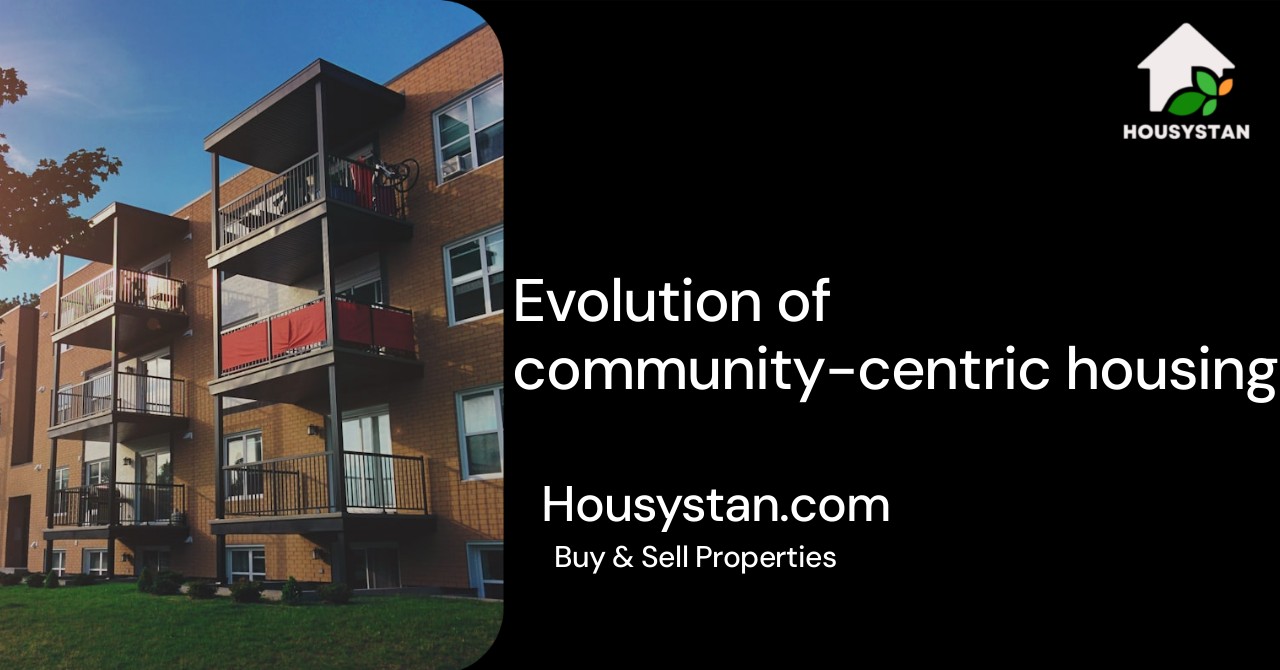
Evolution of community-centric housing
Read latest blogs and articles from Housystan
The Information mentioned here was last updated on:
1/4/2026The Evolution of Community-Centric Housing: Redefining Modern Living Spaces
Introduction: The Return to Community Roots
In recent years, the concept of community-centric housing has experienced a remarkable resurgence. As urban landscapes expand and lifestyles become increasingly fast-paced, many people are seeking a renewed sense of connection and belonging. Developers, architects, and urban planners are responding by reimagining housing models that prioritize community engagement, shared spaces, and sustainable living. This article delves into the evolution of community-centric housing, exploring its historical roots, current trends, and the transformative impact it is having on neighborhoods worldwide.
- Verified Tenants/Buyers
- Unlimited Property Listing
- Zero subscription/charges fee
Historical Perspective: From Villages to Modern Suburbs
Community living is hardly a new idea. For centuries, humans have formed tight-knit villages and towns where relationships and shared responsibilities thrived. In traditional societies, communal living was not only practical but essential for survival. Neighbors supported each other, shared resources, and built strong social bonds. However, as industrialization took hold, urbanization brought about the rise of individual housing units and sprawling suburbs. The dream of owning a single-family home became synonymous with success, but it often came at the expense of communal ties.
The Shift: Why Community Matters More Than Ever
Today, the pendulum is swinging back. The pandemic underscored the importance of human connection and local support networks. Loneliness and isolation, particularly in large cities, have prompted a collective reconsideration of how and where we live. As a result, the demand for community-centric housing options is on the rise. These developments are intentionally designed to encourage interaction, collaboration, and a shared sense of purpose among residents.
Key Features of Community-Centric Housing
Modern community-centric housing incorporates a variety of innovative features aimed at fostering connections. Shared amenities such as communal gardens, coworking spaces, playgrounds, and event halls make it easy for residents to interact. Many communities organize regular social events, workshops, and wellness programs, helping neighbors get to know one another. Sustainability is another cornerstone, with eco-friendly initiatives like solar panels, rainwater harvesting, and composting programs gaining traction. These elements not only reduce environmental impact but also create opportunities for collective action and learning.
Design and Architecture: Building for Belonging
The architecture of community-centric housing plays a pivotal role in its success. Open layouts, pedestrian-friendly pathways, and strategically placed gathering spaces are hallmarks of these developments. Rather than isolating residents in private silos, community housing encourages spontaneous encounters and shared experiences. In some cases, homes are arranged around central courtyards or green spaces, blurring the line between public and private realms. Thoughtful design ensures accessibility, inclusivity, and safety for residents of all ages and abilities.
Types of Community-Centric Housing Models
Several models of community-centric housing have gained popularity worldwide. Cohousing communities, for example, blend private homes with extensive shared facilities and collaborative decision-making. Co-living spaces, often popular among young professionals, offer private bedrooms with shared kitchens, lounges, and workspaces. Eco-villages focus on sustainable living and environmental stewardship, while intentional communities are built around shared values or lifestyles. Each model caters to different needs, yet all place a premium on social connection and collective well-being.
Technology and Community Engagement
Technology is playing an increasingly important role in shaping community-centric housing. Digital platforms and mobile apps enable residents to communicate, organize events, and share resources efficiently. Smart home technology can support sustainability goals, while online forums foster a sense of inclusion for those who may be less comfortable with face-to-face interactions. At the same time, designers are mindful of striking a balance between virtual engagement and real-world relationships, ensuring technology enhances rather than replaces authentic connection.
Benefits of Community-Centric Housing
The advantages of community-centric housing extend far beyond socialization. Research shows that people who live in connected communities experience better mental health, increased safety, and a greater sense of purpose. Shared resources and amenities can reduce living costs, making these developments more accessible and affordable. Children benefit from safe, supportive environments, while older adults enjoy companionship and assistance. Sustainability initiatives are easier to implement at scale, amplifying the positive impact on the environment.
Challenges and Considerations
Despite its many benefits, community-centric housing is not without challenges. Achieving a balance between privacy and communal living requires thoughtful planning and clear communication. Governance structures must be transparent and inclusive, allowing all voices to be heard. Financing and regulatory hurdles can also pose obstacles, particularly in regions where traditional housing models dominate. Nevertheless, many communities have demonstrated that with strong leadership and a shared vision, these challenges can be overcome.
Global Examples: Pioneering Community Housing Projects
Across the globe, innovative community-centric housing projects are setting new benchmarks. In Denmark, the cohousing movement has flourished for decades, inspiring similar developments in the United States, Canada, and Australia. In Germany, the Baugruppen (building group) model allows future residents to collaboratively design and finance their homes. Singapore’s public housing integrates community gardens and activity centers, while new urban districts in Japan prioritize walkability and social spaces. Each example demonstrates the adaptability and appeal of community-centric approaches across diverse cultural contexts.
The Future of Community-Centric Housing: A Vision for Tomorrow
As cities grapple with rapid population growth and environmental challenges, community-centric housing offers a promising blueprint for the future. By prioritizing human connection, sustainability, and shared well-being, these developments have the potential to transform urban living for generations to come. Policy makers, developers, and residents alike are increasingly recognizing the value of building strong, resilient communities. The evolution of community-centric housing is not just a trend—it’s a movement toward a more inclusive, sustainable, and fulfilling way of life.
Conclusion: Building Bridges, Not Walls
The evolution of community-centric housing signifies a profound shift in how we envision home and neighborhood. By fostering meaningful connections, promoting shared responsibility, and embracing sustainable practices, these developments are redefining what it means to belong. As we look ahead, the lessons of the past and the innovations of the present point toward a future where housing is not just about shelter, but about building vibrant, thriving communities for everyone.