Explore Contemporary and Refreshing Living Spaces
Read latest blogs and articles from Housystan
The Information mentioned here was last updated on:
1/4/2026Explore Contemporary and Refreshing Living Spaces
Introduction: The Rise of Modern Living
In today's fast-paced world, our homes serve as sanctuaries that reflect not just our personalities but also our evolving lifestyles. Contemporary living spaces have become the epitome of comfort, style, and functionality. These modern interiors effortlessly blend minimalism, innovative design, and eco-friendly features to create an atmosphere that is both refreshing and inspiring. Whether you are planning to renovate your apartment, update your family home, or simply draw inspiration for your next project, exploring the latest trends in contemporary living spaces can transform your environment into a true reflection of your personal taste.
- Verified Tenants/Buyers
- Unlimited Property Listing
- Zero subscription/charges fee
Defining Contemporary Living Spaces
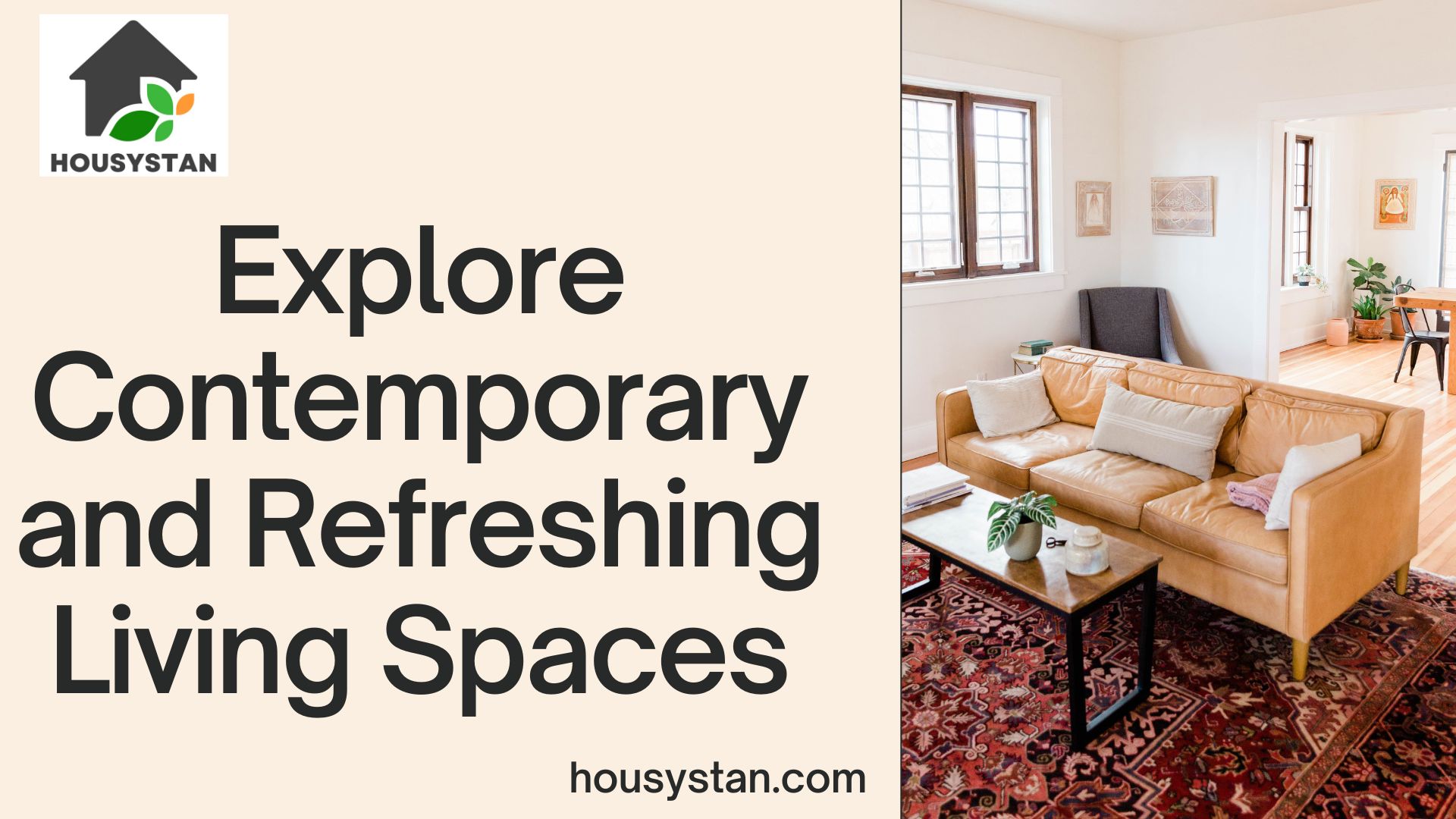
Contemporary living spaces are characterized by their clean lines, open layouts, and the seamless integration of natural elements. Unlike traditional designs, which often rely on ornate details and heavy furnishings, modern interiors prioritize simplicity and efficiency. Large windows, neutral color palettes, and multifunctional furniture pieces are just a few hallmarks of this popular trend. As a result, these spaces feel airy, inviting, and surprisingly versatile, making them ideal for urban dwellers and families alike.
The Importance of Open Layouts
One of the most distinctive features of contemporary living spaces is the open floor plan. By removing unnecessary walls and barriers, homeowners can foster a sense of continuity between different areas of the home. This approach not only maximizes natural light but also encourages greater interaction among family members and guests. Kitchens blend seamlessly into dining areas, while living rooms flow effortlessly into outdoor patios, creating an expansive and welcoming environment. Open layouts are particularly beneficial for smaller homes and apartments, allowing every square foot to be utilized efficiently.
Embracing Natural Light and Outdoor Connections
Natural light plays a vital role in shaping the ambiance of contemporary living spaces. Designers often incorporate large windows, skylights, and glass doors to bring the outdoors in. These architectural features not only brighten up interiors but also provide stunning views of gardens, courtyards, or cityscapes. In addition, biophilic design—a concept that integrates natural elements like wood, stone, and greenery—helps create a calming and rejuvenating atmosphere. Indoor plants, vertical gardens, and strategically placed foliage further enhance the connection between the interior and the natural world, making the home feel more harmonious and alive.
Minimalism Meets Functionality
Minimalism is a cornerstone of contemporary design. However, minimal does not mean empty or cold. Instead, it focuses on intentionality and purpose. Every element, from furniture to decor, serves a specific function and contributes to the overall aesthetic. Storage solutions are cleverly concealed, and clutter is kept to a minimum, resulting in a clean and organized environment. Multifunctional pieces, such as extendable dining tables, modular sofas, and built-in shelving units, offer flexibility for changing needs. This emphasis on practicality ensures that modern living spaces remain both stylish and livable.
Innovative Materials and Sustainable Choices
Today's homeowners are increasingly aware of the environmental impact of their choices. Sustainable materials like bamboo, reclaimed wood, and recycled metal are gaining popularity in contemporary interiors. Energy-efficient appliances, low-VOC paints, and smart home systems further promote eco-friendly living. These features not only reduce the carbon footprint but also enhance comfort and cost savings. By opting for sustainable design solutions, individuals can create living spaces that are both forward-thinking and mindful of the planet's future.
Personalization and Artistic Expression
While contemporary design often emphasizes simplicity, there is ample room for personal expression. Artworks, statement lighting, and unique textiles inject character and warmth into modern homes. Gallery walls, bold area rugs, and handcrafted ceramics can become focal points that reflect the homeowner's interests and passions. The key is to strike a balance between restraint and creativity, ensuring that each element complements the overall theme without overwhelming the space. This approach allows residents to curate an environment that feels uniquely their own.
Technology and Smart Living
The integration of technology is transforming the way we experience our living spaces. From automated lighting and climate control to wireless sound systems and smart security solutions, modern homes are becoming increasingly interconnected. These innovations not only enhance convenience but also contribute to energy efficiency and safety. Voice-activated assistants, touchless fixtures, and app-controlled appliances are just a few examples of how technology is reshaping contemporary interiors. By embracing these advancements, homeowners can create environments that are as intelligent as they are inviting.
Flexible Spaces for Changing Needs
As remote work and flexible lifestyles become more common, the need for adaptable living spaces has never been greater. Contemporary homes often feature multipurpose rooms that can serve as home offices, gyms, guest suites, or creative studios. Movable partitions, fold-down desks, and easily reconfigurable furniture allow residents to respond to changing needs without sacrificing style. This flexibility ensures that homes remain functional and relevant, no matter how life evolves.
Color Palettes and Texture Play
Neutral tones such as whites, grays, and beiges dominate contemporary interiors, providing a serene backdrop that highlights architectural details and furnishings. However, pops of color—whether through artwork, cushions, or accent walls—add vibrancy and personality. Texture also plays a crucial role in creating visual interest. Layered textiles, natural fibers, and contrasting finishes bring depth and dimension to the space, making it feel both comfortable and visually stimulating.
Conclusion: Designing for Well-being and Inspiration
Contemporary and refreshing living spaces are more than just a design trend—they represent a holistic approach to living well. By embracing open layouts, natural light, sustainable materials, and smart technology, homeowners can create environments that nurture both body and mind. Personal touches and thoughtful details ensure that every home tells a unique story. As we continue to seek balance and inspiration in our daily lives, the principles of modern living provide a roadmap for creating spaces that are not only beautiful but also deeply meaningful.