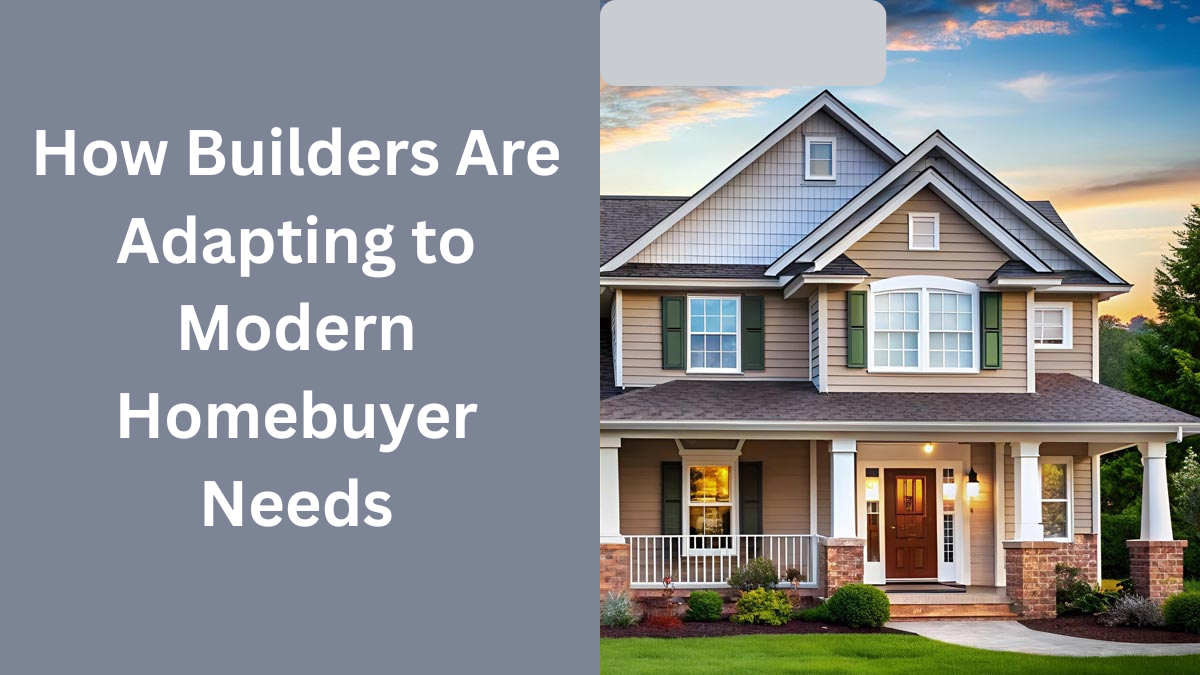
How Builders Are Adapting to Modern Homebuyer Needs
Read latest blogs and articles from Housystan
The Information mentioned here was last updated on:
1/4/2026How Builders Are Adapting to Modern Homebuyer Needs
Understanding the Evolving Landscape of Homebuyers
Today's real estate market is experiencing a remarkable transformation, driven by the shifting demands and preferences of modern homebuyers. Gone are the days when a simple three-bedroom house on a quiet street was the universal standard. Instead, buyers now bring a diverse set of expectations, shaped by technological advances, environmental consciousness, and changing lifestyles. Builders, in response, are rapidly innovating to align with these evolving priorities, ensuring that new homes are not just places to live but reflections of modern aspirations.
- Verified Tenants/Buyers
- Unlimited Property Listing
- Zero subscription/charges fee
The Rise of Smart Home Technology
One of the most significant trends influencing home construction is the integration of smart home technology. Modern buyers, especially millennials and Gen Z, expect homes equipped with the latest tech conveniences. Builders are now installing features such as smart thermostats, automated lighting, voice-activated assistants, and security systems as standard offerings. These technologies not only provide enhanced comfort and security but also contribute to energy efficiency, a growing concern among eco-minded consumers.
Sustainability and Energy Efficiency Take Center Stage
Environmental awareness is no longer a niche consideration; it's a driving force in the housing market. Builders are responding by employing sustainable building materials, installing solar panels, and incorporating energy-efficient appliances. High-performance windows, improved insulation, and water-saving fixtures are becoming commonplace in new homes. Green certifications like LEED and Energy Star are increasingly sought after, as buyers look to reduce their carbon footprint and utility bills. This shift reflects a broader societal movement toward sustainability and responsible living.
Flexible Spaces for a Dynamic Lifestyle
The events of recent years, particularly the global pandemic, have fundamentally changed the way people use their homes. Remote work and distance learning have created a demand for flexible living spaces. Builders are reimagining floor plans to include dedicated home offices, study nooks, and multipurpose rooms that can adapt as family needs change. Open-concept layouts remain popular, but there's a growing emphasis on spaces that can be easily converted for work, exercise, or relaxation. This adaptability is key for buyers seeking long-term value and comfort.
Emphasis on Health and Wellness
Health-conscious buyers are influencing home design in subtle yet significant ways. Builders are prioritizing indoor air quality through advanced ventilation systems and low-VOC (volatile organic compound) materials. Natural light and indoor-outdoor connections, such as large windows and sliding doors, are being maximized to create inviting, sun-drenched interiors. Wellness amenities like fitness rooms, spa-inspired bathrooms, and even meditation spaces are becoming sought-after features, reflecting a holistic approach to living environments.
A Focus on Community and Connectivity
Modern homebuyers are looking beyond the four walls of their homes. They value walkable neighborhoods, access to parks, communal amenities, and vibrant local communities. Builders are responding by designing developments that foster social interaction and convenience. Master-planned communities often include shared green spaces, playgrounds, fitness centers, and even co-working hubs. Connectivity is further enhanced through high-speed internet infrastructure, ensuring residents can work, learn, and entertain with ease.
Personalization and Customization Options
Today’s buyers want homes that reflect their unique tastes and lifestyles. Builders are embracing this desire for personalization by offering a wide array of design choices. From selecting cabinetry and countertops to choosing flooring and paint colors, buyers can tailor their homes to match their vision. Some builders go a step further, using virtual reality and online design tools to help clients visualize their selections before construction begins. This hands-on approach creates a sense of ownership and satisfaction, setting new builds apart from existing homes.
Affordable Housing Solutions and Innovative Financing
Affordability remains a critical concern in many markets. Builders are addressing this by developing smaller, more efficient homes without compromising quality or style. Townhomes, duplexes, and accessory dwelling units (ADUs) offer flexible options for buyers at various price points. In addition, some builders are partnering with local governments and organizations to create affordable housing initiatives and offer creative financing solutions. These efforts aim to make homeownership accessible to a broader segment of the population, fostering diversity and inclusivity in communities.
Embracing the Power of Digital Tools
The homebuying journey has become increasingly digital, and builders are keeping pace. Virtual tours, 3D walkthroughs, and interactive floor plans allow buyers to explore properties from anywhere in the world. Online portals make it easy to track construction progress, communicate with builders, and manage documents. This digital convenience streamlines the buying process and enhances transparency, building trust between buyers and builders.
Future-Proofing Homes for Tomorrow’s Needs
Forward-thinking builders are taking steps to ensure homes remain relevant and valuable as technology and lifestyles continue to evolve. Wiring homes for future tech upgrades, creating adaptable spaces, and selecting durable, low-maintenance materials all contribute to long-term satisfaction for homeowners. By anticipating what tomorrow’s buyers will want, builders are setting a new standard for innovation in residential construction.
Conclusion: Building for the Next Generation
The modern home is more than a shelter; it is a dynamic, adaptable space that caters to a wide array of needs and aspirations. Builders who listen carefully to homebuyer feedback and stay attuned to emerging trends are well-positioned to thrive in this competitive market. As the industry continues to evolve, one thing remains clear: the future of homebuilding lies in responsiveness, innovation, and an unwavering commitment to meeting—and exceeding—the expectations of today’s discerning buyers.