How Solar Energy Is Powering Modern Homes
Read latest blogs and articles from Housystan
The Information mentioned here was last updated on:
1/4/2026How Solar Energy Is Powering Modern Homes
Introduction: The Dawn of the Solar Era
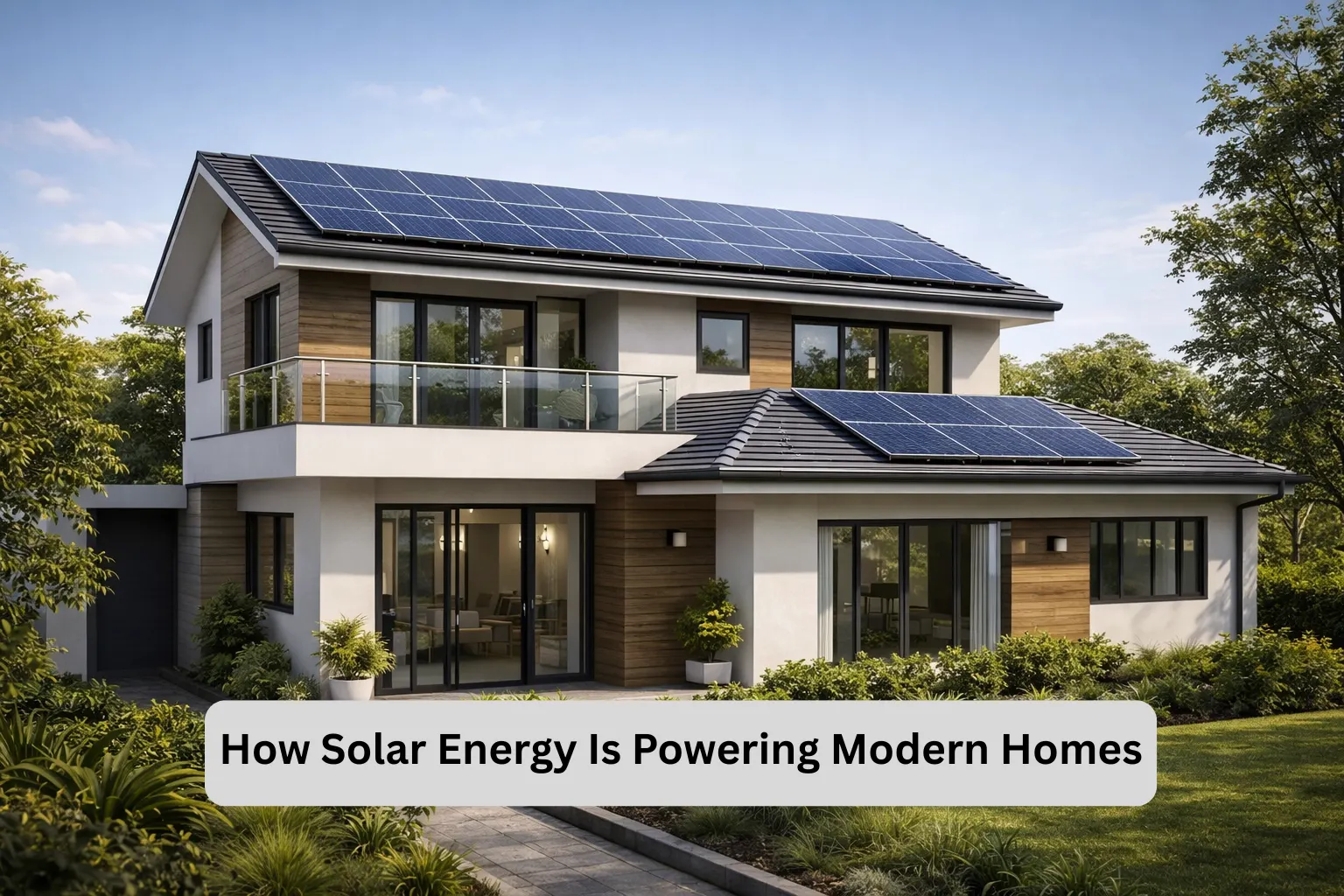
Across neighborhoods and city skylines, solar panels are no longer an unfamiliar sight. As the world turns its focus toward sustainability and energy independence, solar energy is emerging as a powerful force reshaping how we power our homes. Homeowners, motivated by both environmental concerns and rising utility costs, are increasingly turning to solar solutions. But how is solar energy truly transforming modern living spaces, and what makes it such an appealing alternative?
- Verified Tenants/Buyers
- Unlimited Property Listing
- Zero subscription/charges fee
The Basics of Solar Energy: How It Works
At the heart of residential solar power is the photovoltaic (PV) panel. These panels, usually installed on rooftops, capture sunlight and convert it into electricity. The process starts when sunlight hits the silicon cells within the panel, generating direct current (DC) electricity. An inverter then transforms DC into alternating current (AC), which powers household appliances and lighting. The entire system, often monitored via smartphone apps, allows homeowners to track energy production and consumption in real time. This seamless integration is making solar power more accessible and user-friendly than ever before.
Financial Benefits: Saving Money and Increasing Property Value
One of the primary motivators for adopting solar energy in modern homes is financial savings. By generating their own electricity, homeowners can dramatically reduce their monthly utility bills. In many regions, net metering programs allow households to sell excess electricity back to the grid, creating an additional stream of income or credits. Studies have shown that solar installations can increase property values, making homes more attractive to future buyers. With the cost of solar technology steadily decreasing, the return on investment for residential solar systems is stronger than ever.
Environmental Impact: Reducing Carbon Footprints
Solar energy is inherently clean and renewable. Unlike fossil fuels, solar power generation releases no greenhouse gases or pollutants. A typical residential solar system can offset thousands of pounds of carbon dioxide annually, significantly shrinking a household’s carbon footprint. This environmental advantage is driving eco-conscious consumers to embrace solar panels as a practical step toward combating climate change and promoting sustainability in their communities.
Technological Advancements: Smart Integration and Storage Solutions
The evolution of solar technology has brought about smarter and more efficient systems. Modern inverters, battery storage solutions, and energy management software allow homeowners to store surplus energy for use during cloudy days or at night. Brands like Tesla, LG, and Sonnen are leading the charge with advanced home battery systems, offering greater energy independence and grid resilience. With the rise of smart home technology, solar energy systems can now be seamlessly integrated with home automation platforms, optimizing usage and further reducing costs.
Government Incentives and Policies Fueling Adoption
Government policies and incentives play a crucial role in accelerating the adoption of solar energy. Federal tax credits, state rebates, and local grants can offset a significant portion of installation costs, making solar power more affordable for a wide range of homeowners. Many municipalities have also streamlined permitting processes and introduced solar-friendly building codes, removing bureaucratic barriers. These incentives are not only encouraging more households to go solar but also supporting job creation within the renewable energy sector.
Overcoming Barriers: Addressing Common Challenges
Despite its benefits, the transition to solar energy does come with challenges. The upfront cost of installation, although decreasing, can still be a hurdle for some families. However, innovative financing options like solar leases, power purchase agreements (PPAs), and community solar programs are making it easier for homeowners to access solar energy without large initial investments. Additionally, concerns about panel maintenance and system longevity have been largely addressed by advancements in durable materials and long-term warranties, giving homeowners peace of mind.
Solar Energy and the Modern Lifestyle: Design and Flexibility
Today’s homeowners are looking for energy solutions that blend seamlessly with modern architecture and aesthetics. Solar panels are now available in sleek, low-profile designs, including solar roof tiles that mimic traditional shingles. This fusion of functionality and style means that adopting solar power no longer requires compromising on appearance. For those living in apartments or shaded areas, portable solar generators and community solar projects provide flexible alternatives, ensuring that solar energy is accessible to a diverse range of living situations.
Real Life Impact: Stories from Solar-Powered Homes
Across the country, families who have embraced solar power are sharing their experiences. Some report significant reductions in their energy bills, while others highlight the satisfaction of contributing to environmental conservation. Homeowners who have coupled solar panels with electric vehicles are enjoying nearly zero-emissions lifestyles, powering both their homes and their cars with the sun. These firsthand accounts underline the practical and emotional benefits of making the switch to solar energy.
The Future of Solar Energy in Residential Spaces
As technology continues to advance and the urgency for sustainable solutions grows, solar energy is poised to become a standard feature of modern homes. Innovations in battery storage, grid interactivity, and solar panel efficiency will only enhance the value proposition for homeowners. Policymakers, industry leaders, and consumers are working together to create an energy landscape where clean power is both reliable and affordable.
Conclusion: Harnessing the Sun for a Brighter Tomorrow
The journey toward a solar-powered future is well underway. With its financial, environmental, and technological benefits, solar energy is fundamentally changing how we power our homes. As more households make the transition, the collective impact on our planet and our communities will be profound. For today’s homeowners, investing in solar is not just a smart financial decision—it’s a commitment to a cleaner, more sustainable world.