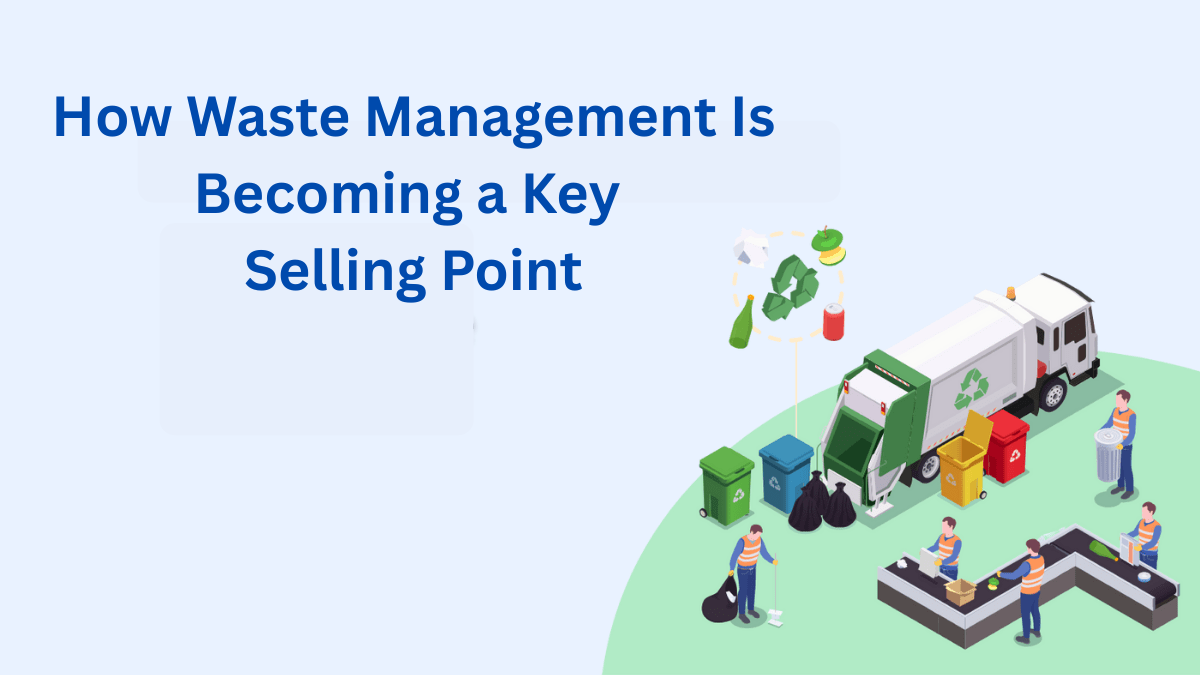
How Waste Management Is Becoming a Key Selling Point
Read latest blogs and articles from Housystan
The Information mentioned here was last updated on:
1/4/2026How Waste Management Is Becoming a Key Selling Point
Introduction: Shifting Priorities in a Greener Economy
In today’s rapidly changing marketplace, consumers and businesses alike are placing a premium on environmental responsibility. Waste management, once relegated to the background of corporate and municipal priorities, has now emerged as a central selling point for companies across industries. As communities grapple with the consequences of pollution, climate change, and overflowing landfills, the spotlight has turned to how organizations handle their waste — and what that says about their broader values. From innovative recycling programs to zero-landfill commitments, waste management is shaping purchasing decisions, brand reputations, and even regulatory frameworks.
- Verified Tenants/Buyers
- Unlimited Property Listing
- Zero subscription/charges fee
The Rising Demand for Sustainable Practices
Modern consumers are more informed and environmentally conscious than ever before. They expect transparency and accountability from the brands they support, especially when it comes to sustainability. According to recent studies, a significant percentage of buyers are willing to pay more for products and services offered by companies with strong environmental policies. Waste management has become a tangible measure of a business’s commitment to sustainability. Companies that actively reduce, reuse, and recycle their waste not only contribute to the planet’s well-being but also gain a competitive edge in the marketplace.
Corporate Social Responsibility and the Waste Factor
Corporate social responsibility (CSR) has evolved from a public relations buzzword into a core operational principle. Businesses are no longer judged solely by the quality of their products or services; stakeholders also assess their environmental impact. Effective waste management policies demonstrate a firm’s dedication to CSR. This includes initiatives such as reducing single-use plastics, implementing composting programs, and investing in circular economy models. These efforts resonate with eco-minded consumers and can enhance a brand’s reputation, fostering loyalty and long-term relationships.
Innovation in Waste Management Technologies
Advancements in waste management technology are revolutionizing the industry. Smart waste bins equipped with sensors, for example, can optimize collection routes and reduce fuel consumption. Artificial intelligence is being used to sort recyclables more efficiently, while new materials science is yielding biodegradable packaging that minimizes landfill contributions. These innovations not only make waste management more efficient and cost-effective but also offer new marketing opportunities. Companies that embrace cutting-edge solutions can position themselves as industry leaders, attracting customers who value progress and sustainability.
Regulatory Pressure and Compliance
Government regulations regarding waste disposal and recycling are becoming increasingly stringent. Municipalities and national governments are introducing bans on certain materials, imposing landfill taxes, and mandating corporate reporting on waste reduction. Compliance is no longer optional; it’s a legal requirement in many sectors. Forward-thinking companies view these regulations not as burdens but as opportunities to distinguish themselves. By exceeding regulatory standards and publicizing their efforts, businesses can establish themselves as responsible community partners and preferred vendors for environmentally conscious clients.
Zero Waste Initiatives and Closed-Loop Systems
Zero waste initiatives are gaining traction among major corporations and small businesses alike. The goal is to send as little waste as possible to landfills or incinerators. This often involves reimagining supply chains, designing products for reuse, and collaborating with partners to create closed-loop systems. For example, some apparel companies now offer take-back programs for used clothing, while electronics manufacturers are investing in refurbishing and recycling old devices. These strategies not only minimize environmental impact but also appeal to consumers who want to support brands with a holistic vision for sustainability.
Waste Management as a Brand Differentiator
As sustainability becomes mainstream, waste management offers a unique avenue for brands to differentiate themselves. Companies that can quantify and communicate the positive impact of their waste reduction efforts — such as tons of material diverted from landfills or greenhouse gas emissions avoided — can turn these achievements into compelling marketing messages. Certifications and eco-labels, such as the Zero Waste to Landfill certification or the Green Seal, further validate a company’s claims and help build trust with consumers.
Consumer Education and Engagement
Educating consumers about proper waste disposal and recycling practices is an essential component of any waste management strategy. Brands that invest in awareness campaigns, clear labeling, and interactive customer engagement not only reduce contamination in recycling streams but also foster a sense of shared responsibility. This two-way relationship encourages lasting behavioral change and deepens customer loyalty. By positioning themselves as partners in sustainability, businesses can create authentic connections that go beyond the transactional.
Case Studies: Leading the Way in Green Waste Practices
Several high-profile companies are setting the standard for waste management excellence. For example, global technology firms are redesigning packaging to be fully recyclable, while restaurant chains are phasing out single-use plastics in favor of compostable alternatives. Municipalities are collaborating with private haulers to implement curbside organics collection and incentivize waste reduction at the source. These real-world examples demonstrate that effective waste management is not only possible but profitable, driving both operational savings and positive public relations.
The Future Landscape: Waste Management as a Core Value
Looking forward, the integration of waste management into core business values and marketing strategies is likely to accelerate. As climate change concerns intensify and regulations tighten, companies that proactively address their waste footprints will be better positioned to thrive. The next generation of consumers and employees will expect nothing less. In this evolving landscape, waste management is more than a compliance issue — it’s a powerful lever for brand building, customer retention, and long-term success.
Conclusion: Turning Responsibility into Opportunity
Waste management has moved from the periphery to the center of business strategy and public consciousness. It is now a key selling point that influences consumer choices, strengthens brands, and drives innovation. Companies that embrace sustainable waste practices not only benefit the environment but also unlock new opportunities for growth, differentiation, and leadership. In an era defined by ecological urgency, responsible waste management is not just good business — it’s essential to staying relevant, resilient, and respected in the marketplace.