Long-Term Environmental and Financial Benefits of Sustainable Villas
Read latest blogs and articles from Housystan
The Information mentioned here was last updated on:
1/4/2026Long-Term Environmental and Financial Benefits of Sustainable Villas
Introduction: The Growing Appeal of Sustainable Villas
In recent years, the real estate market has witnessed a significant surge in demand for sustainable villas. Whether for personal residence or as an investment, homeowners are increasingly recognizing the value of eco-friendly design, energy efficiency, and long-term cost savings. Beyond the immediate appeal of luxury and comfort, sustainable villas offer a host of environmental and financial benefits that make them a wise choice for the future. As climate change concerns grow and energy prices fluctuate, sustainable villas stand out as proactive solutions for responsible living and investing.
- Verified Tenants/Buyers
- Unlimited Property Listing
- Zero subscription/charges fee
Understanding Sustainable Villas: Modern Solutions for Eco-Conscious Living
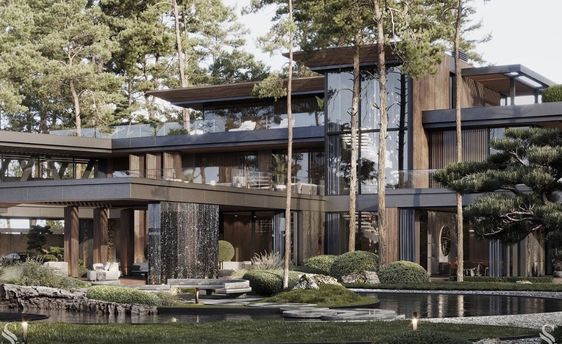
Sustainable villas are designed and built with a focus on minimizing environmental impact and maximizing resource efficiency. These properties employ advanced technologies and materials like solar panels, rainwater harvesting systems, high-performance insulation, and low-emission building products. The goal is to reduce the carbon footprint of the villa while providing the highest standard of living for its occupants. Sustainable villas often incorporate passive design elements, such as optimal orientation, natural ventilation, and strategic landscaping, to further enhance efficiency and comfort.
Key Environmental Benefits of Sustainable Villas
1. Significant Reduction in Energy Consumption
One of the primary advantages of sustainable villas is their ability to drastically lower energy use. With features like solar power systems, energy-efficient lighting, and smart home technology, these villas require less electricity from non-renewable sources. High-quality insulation and double-glazed windows help maintain indoor temperatures, reducing the need for heating and cooling. Over time, these measures contribute to substantial energy savings and a smaller environmental footprint.
2. Conservation of Water Resources
Water scarcity is a growing global concern, making conservation strategies an essential component of sustainable villa design. Rainwater harvesting systems, low-flow fixtures, and drought-resistant landscaping work together to reduce water consumption. Greywater recycling enables villas to reuse water for irrigation, further minimizing waste. These innovations not only benefit the environment but also ensure greater self-sufficiency for homeowners.
3. Use of Eco-Friendly Materials
Sustainable villas prioritize the use of renewable, recycled, and locally sourced building materials. Bamboo flooring, reclaimed wood, and low-VOC paints are popular choices that improve indoor air quality and decrease the villa’s overall environmental impact. Selecting these materials supports ethical supply chains and promotes sustainable forestry and manufacturing practices.
4. Enhanced Biodiversity and Ecosystem Protection
Thoughtful landscaping and site planning in sustainable villas can help protect local ecosystems. Native plants, green roofs, and wildlife-friendly gardens provide habitats for birds, insects, and other local fauna. These efforts contribute to biodiversity conservation and offset the impact of development on the surrounding environment.
Financial Advantages of Investing in Sustainable Villas
1. Lower Operational and Maintenance Costs
Although the initial investment in sustainable technologies and materials may be higher, sustainable villas are designed to minimize long-term operational expenses. Energy-efficient appliances, solar power, and water-saving systems reduce monthly utility bills. Durable construction materials and advanced building techniques lower maintenance and replacement costs over the lifespan of the property.
2. Increased Property Value and Marketability
As environmental awareness rises, buyers and renters are actively seeking eco-friendly homes. Sustainable villas often command higher resale values and attract premium rental rates. Features such as renewable energy systems and green certifications serve as strong selling points, making these properties more attractive in a competitive real estate market.
3. Access to Incentives and Financing
Government policies and green building initiatives increasingly offer incentives for sustainable construction. Homeowners may benefit from tax credits, grants, and favorable financing terms when investing in energy-efficient upgrades or renewable energy systems. These programs can offset some of the upfront costs associated with sustainable villas, improving overall return on investment.
4. Resilience Against Future Regulation and Resource Scarcity
Building a sustainable villa is a proactive response to potential future regulations on energy use, emissions, and water consumption. As governments tighten building codes and introduce stricter sustainability requirements, eco-friendly properties are better positioned to comply without costly retrofits. Furthermore, with energy and water resources under increasing pressure, sustainable villas offer greater resilience and security for their owners.
Creating a Comfortable and Healthy Living Environment
Sustainable villas are not just about saving money and protecting the planet; they also deliver a superior quality of life. Natural daylighting, improved air quality, and thermal comfort are hallmarks of green design. By minimizing exposure to pollutants and optimizing indoor environments, these homes help support the health and well-being of their residents. Features like smart home technology, automated climate control, and biophilic design elements add convenience and aesthetic appeal, making sustainable villas desirable places to live.
Challenges and Considerations in Building Sustainable Villas
While the benefits of sustainable villas are compelling, there are challenges to consider. Access to sustainable materials and skilled labor can vary by region, potentially impacting construction timelines and costs. Homeowners and developers must also stay informed about evolving green building standards and certification processes. Despite these hurdles, the long-term rewards often outweigh the initial obstacles, making sustainable villas a sound investment for forward-thinking individuals.
Conclusion: Sustainable Villas as the Future of Real Estate
The long-term environmental and financial benefits of sustainable villas are clear. By embracing advanced technologies, resource-efficient design, and eco-friendly materials, these properties set a new standard for responsible luxury living. Homeowners enjoy reduced utility costs, healthier indoor environments, and enhanced property values, while contributing to the global effort to combat climate change. As the world continues to shift toward sustainability, investing in a sustainable villa is not just a trend—it’s a strategic decision for a better, greener future.