Maximizing Natural Light: Transforming Apartment Interiors in Urban Spaces
Read latest blogs and articles from Housystan
The Information mentioned here was last updated on:
1/4/2026Maximizing Natural Light: Transforming Apartment Interiors in Urban Spaces
Embracing Sunlight for Urban Apartment Living
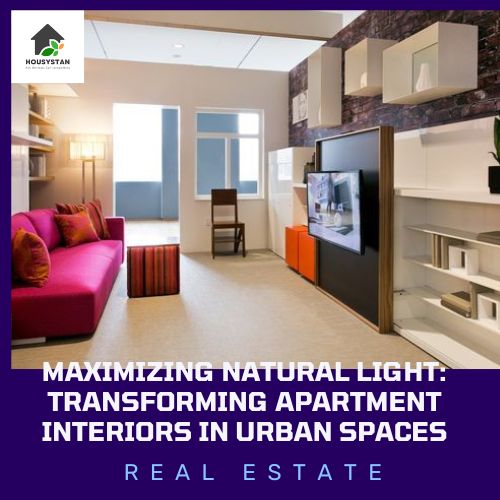
In the heart of bustling cities, apartment dwellers often face the challenge of limited natural light. As high-rises multiply and urban density increases, sunlight becomes a precious commodity. Yet, maximizing natural light is more than just a trend—it’s a necessity for creating healthy, vibrant, and inviting living spaces. Natural light not only enhances the aesthetic appeal of interiors but also improves mood, boosts productivity, and reduces energy consumption. In this article, we delve into practical design strategies that apartment residents and homeowners can use to harness every ray of sunlight, transforming even the most compact urban interiors into luminous sanctuaries.
- Verified Tenants/Buyers
- Unlimited Property Listing
- Zero subscription/charges fee
Understanding the Benefits of Natural Light in Urban Apartments
Natural light brings a multitude of benefits to urban apartment interiors. Exposure to daylight is linked to enhanced mental wellness and improved sleep patterns, thanks to the regulation of circadian rhythms. Sunlight can make rooms appear larger, brighter, and more welcoming. Additionally, maximizing daylight reduces the need for artificial lighting during daytime hours, helping to cut down on electricity costs and carbon footprints. For city dwellers, who often contend with smaller living spaces and limited views, optimizing natural light is key to fostering a sense of openness and tranquility in their homes.
Assessing Your Apartment’s Light Potential
Before embarking on any design changes, it’s essential to evaluate your apartment’s natural light potential. Consider the orientation of your windows—south-facing windows, for example, receive the most sunlight throughout the day in the Northern Hemisphere. Take note of any obstructions, such as neighboring buildings or trees, that may block sunlight. Recognizing when and where sunlight enters your apartment will help you make informed decisions about furniture placement, color schemes, and window treatments.
Strategic Use of Mirrors and Reflective Surfaces
Mirrors are an invaluable tool in the quest for brighter interiors. When positioned thoughtfully, mirrors can reflect sunlight throughout a room, amplifying its reach and creating an illusion of space. Consider placing a large mirror opposite or adjacent to a window to bounce light deeper into your apartment. Reflective surfaces—such as glass tabletops, metallic finishes, or glossy cabinetry—also help scatter sunlight, giving your space an airy, luminous feel. The key is to balance reflective elements with softer textures to avoid a clinical atmosphere.
Choosing the Right Window Treatments
Window treatments play a pivotal role in controlling the flow of natural light. Opt for sheer curtains or light-filtering blinds that allow sunlight to pass through while offering privacy. Avoid heavy drapes or dark fabrics, which can absorb light and make rooms feel dimmer. If privacy is a concern, layering sheer panels with lightweight roller blinds provides flexibility, enabling you to adjust the level of light as needed throughout the day.
Optimizing Furniture Placement for Maximum Light
The arrangement of furniture can impact how sunlight travels through your apartment. Avoid placing tall or bulky furniture directly in front of windows, as this can obstruct light from reaching the rest of your space. Instead, opt for low-profile seating and transparent materials, such as acrylic chairs or glass coffee tables, which maintain an open line of sight. Arrange your living and dining areas to take advantage of the brightest spots in your apartment, turning these areas into focal points for both relaxation and entertainment.
Incorporating Light-Enhancing Color Schemes
Color choices significantly influence the perception of light within a room. Light hues, such as crisp whites, soft creams, and pale pastels, reflect sunlight and make interiors appear larger and brighter. For those who crave color, consider accent walls in muted tones or accessories in vibrant shades that complement the natural light. Avoid dark, saturated colors on large surfaces, as they can absorb light and create a closed-in feeling. A harmonious color palette, combined with ample daylight, fosters a serene and uplifting environment.
Utilizing Glass Partitions and Open Layouts
For apartments with multiple rooms or enclosed layouts, glass partitions offer a stylish solution to enhance natural light flow. Replacing solid walls with frosted or clear glass dividers allows sunlight to penetrate deeper into your home while maintaining privacy. Open concept layouts are also highly effective—removing unnecessary barriers between living, dining, and kitchen areas encourages light to filter throughout your apartment. When structural changes are not possible, open shelving or room dividers with cut-outs can provide a similar effect.
Integrating Indoor Plants to Complement Natural Light
Indoor plants not only purify the air but also thrive in sunlit spaces, adding a touch of nature to urban living. Positioning greenery near windows or in bright corners enhances the connection between indoors and outdoors. Choose low-maintenance, sun-loving varieties—such as succulents, snake plants, or fiddle leaf figs—to make the most of available light. Planters with reflective surfaces can further amplify brightness while serving as decorative accents.
Embracing Smart Lighting Solutions
While natural light is ideal, it’s not always consistent—especially in cities with unpredictable weather or limited daylight hours. Complement your daylight strategy with smart lighting solutions. LED bulbs that mimic natural sunlight can fill in on gloomy days and after sundown, ensuring your apartment remains bright and inviting. Consider adjustable fixtures, dimmable lights, and strategically placed lamps that enhance the overall ambiance without overpowering natural illumination.
Conclusion: Creating Brighter Urban Interiors
Maximizing natural light in urban apartments is a blend of art and science. By assessing your space, embracing reflective materials, choosing light-friendly fabrics, and utilizing smart design principles, you can transform even the most compact city home into a radiant oasis. The benefits go beyond aesthetics—more daylight means better well-being, lower energy bills, and a stronger connection to the rhythms of nature. In a world where urban living is on the rise, harnessing sunlight is the key to creating spaces that feel open, energized, and unmistakably home.