Modern Interior Trends for 2026
Read latest blogs and articles from Housystan
The Information mentioned here was last updated on:
1/4/2026Modern Interior Trends for 2026: What’s Shaping the Future of Home Design?
The Evolution of Interior Design
As we approach 2026, modern interior trends are rapidly evolving to reflect a world that values comfort, sustainability, and individuality. Homeowners and designers are embracing innovation, blending technology with nature, and prioritizing well-being in every corner. As lifestyles and preferences change, so do the colors, materials, and layouts that shape our living spaces. Let’s explore the key trends experts predict will define interior design in 2026.
- Verified Tenants/Buyers
- Unlimited Property Listing
- Zero subscription/charges fee
Biophilic Design: Bringing Nature Indoors
Biophilic design continues to gain traction, championing the integration of natural elements within the home. In 2026, expect to see more living walls, indoor gardens, and expansive windows that blur the line between interior and exterior spaces. Homeowners are increasingly opting for natural materials like wood, stone, and clay, as well as organic textures, to cultivate a calming, restorative environment. This trend not only enhances aesthetics but also supports mental well-being by fostering a stronger connection to nature.
Smart Homes Get Smarter
The rise of smart technology is transforming the way we interact with our living spaces. In 2026, automation will be seamlessly woven into the fabric of interior design. From intelligent lighting systems that adjust to circadian rhythms to voice-activated appliances and energy-efficient climate controls, smart homes are becoming more intuitive and user-centric. The latest advancements allow residents to customize their environments with a tap or a voice command, making daily life more convenient and sustainable.
Bold Colors and Expressive Palettes
After years of minimalist, neutral interiors, 2026 is set to embrace bold colors and expressive palettes. Deep greens, burnt oranges, cobalt blues, and rich burgundies are making a comeback, adding personality and vibrancy to living spaces. Designers are encouraging homeowners to experiment with accent walls, color-blocked furniture, and unexpected combinations. This shift towards color celebrates individuality and brings a sense of joy and optimism to modern interiors.
Multifunctional Spaces for Flexible Living
With the continued rise of remote work and hybrid lifestyles, multifunctional spaces are more important than ever. Modern interiors in 2026 will feature adaptable layouts, modular furniture, and clever storage solutions to maximize every square foot. Rooms are designed to serve multiple purposes—think guest bedrooms that double as home offices or dining areas that convert into creative studios. This flexibility allows homeowners to make the most of their space without sacrificing style or comfort.
Sustainable and Ethical Choices
Eco-conscious design remains a top priority. Homeowners are seeking out sustainable materials, recycled furnishings, and ethical sourcing practices. In 2026, expect to see interiors adorned with reclaimed wood, upcycled décor, and energy-efficient fixtures. Brands that prioritize transparency and responsible production are gaining favor. This shift reflects a growing awareness of environmental impact and a desire to create homes that support both people and the planet.
Textural Layers and Tactile Experiences
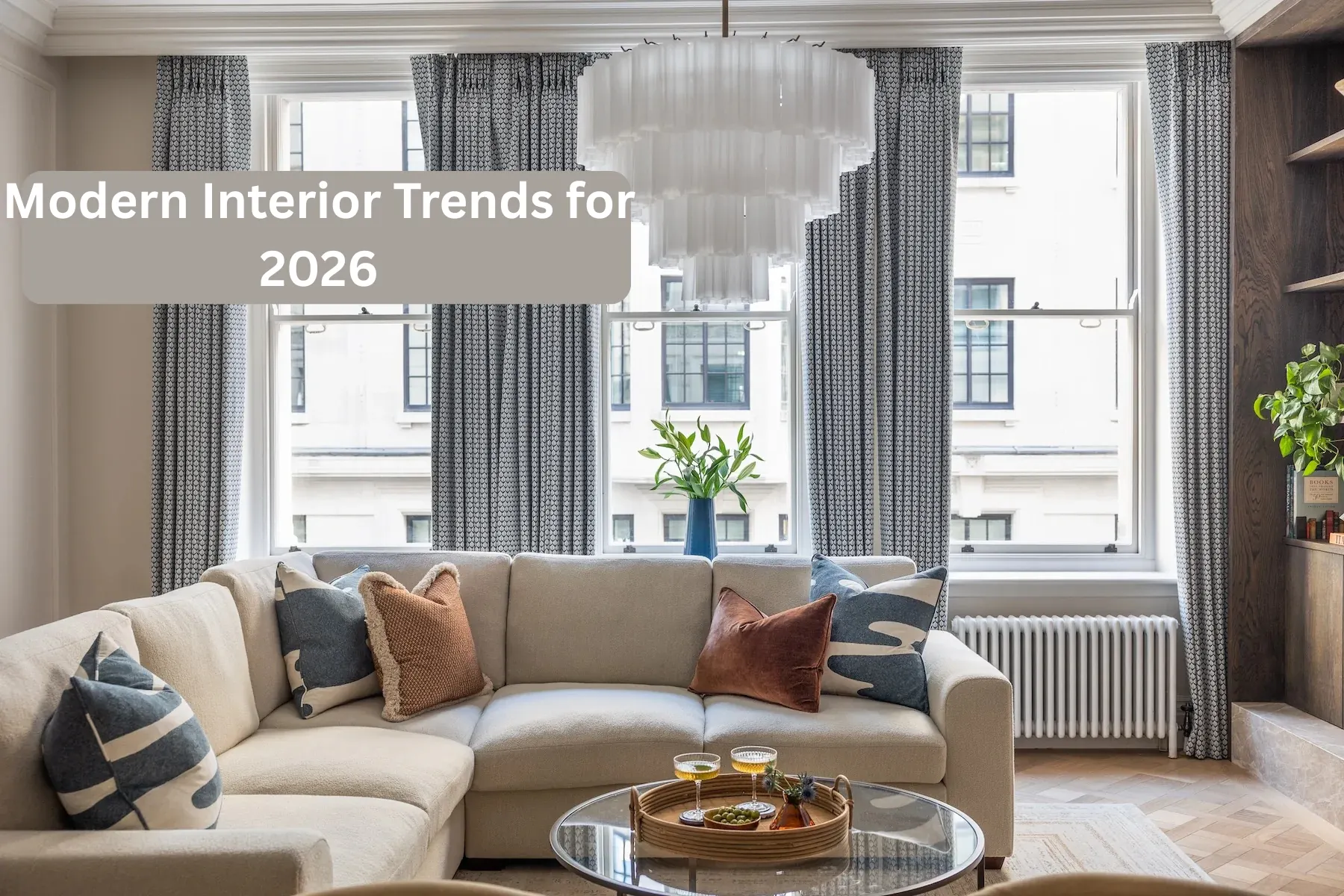
Texture is taking center stage in 2026’s interiors. Layered textiles, plush rugs, nubby upholstery, and woven accents add warmth and depth to modern spaces. Designers are mixing materials—such as smooth marble with rough jute or sleek glass with soft velvet—to create visual interest and invite touch. These tactile experiences make homes feel more inviting and lived-in, countering the sterile feel of past minimalist trends.
Personalization and Storytelling
Individual expression is a defining characteristic of modern interiors in 2026. Homeowners are curating spaces that tell their unique stories, incorporating meaningful art, heirlooms, and bespoke furniture. Instead of following a single design school, people are blending styles—mid-century with contemporary, vintage with industrial—to create interiors that feel distinctly their own. This approach celebrates the diversity of personal taste and adds emotional resonance to every room.
Statement Lighting Fixtures
Lighting is no longer just functional—it’s a focal point. Oversized pendants, sculptural chandeliers, and innovative LED designs are all in vogue for 2026. These statement pieces not only illuminate but also define the mood and character of a space. Designers are playing with scale, material, and placement to create dramatic effects, turning lighting into a form of art that enhances the overall aesthetic.
Wellness-Centric Design
Modern interiors are increasingly being shaped by a focus on wellness. Features such as circadian lighting, air purification systems, and ergonomic furniture are becoming standard. Spa-inspired bathrooms, meditation corners, and indoor water features promote relaxation and mindfulness. The goal is to create spaces that support both physical health and emotional well-being, reflecting a holistic approach to modern living.
Global Influences and Cultural Fusion
Travel and technology have made the world more connected than ever, and this is reflected in interior design. In 2026, interiors are drawing inspiration from diverse cultures, blending patterns, colors, and crafts from around the globe. Moroccan tiles, Japanese shoji screens, Scandinavian minimalism, and African textiles are just a few examples of how global influences are enriching modern homes. This fusion creates spaces that feel cosmopolitan and culturally layered.
Conclusion: Designing for the Future
The modern interior trends for 2026 reveal a profound shift towards spaces that are not only beautiful but also functional, sustainable, and deeply personal. As we look ahead, it’s clear that the homes of the future will be defined by their adaptability, their embrace of technology, their celebration of individuality, and their respectful nod to the natural world. Whether you’re planning a renovation or simply seeking inspiration, these trends offer a roadmap to creating interiors that are as dynamic and unique as those who inhabit them.