Rainwater Harvesting: A Must for Indian Apartments
Read latest blogs and articles from Housystan
The Information mentioned here was last updated on:
1/4/2026Rainwater Harvesting: A Must for Indian Apartments
Introduction: The Urgent Need for Efficient Water Management
India is no stranger to water scarcity, with many urban centers facing acute shortages every summer. Apartment complexes, especially in metropolitan cities, grapple with unpredictable water supply, rising utility costs, and increasing dependence on groundwater. In this scenario, rainwater harvesting has emerged as not just an eco-friendly initiative but an absolute necessity for Indian apartments. As cities continue to expand vertically, the significance of capturing and conserving rainwater within these residential towers is more crucial than ever.
- Verified Tenants/Buyers
- Unlimited Property Listing
- Zero subscription/charges fee
Understanding Rainwater Harvesting: A Brief Overview
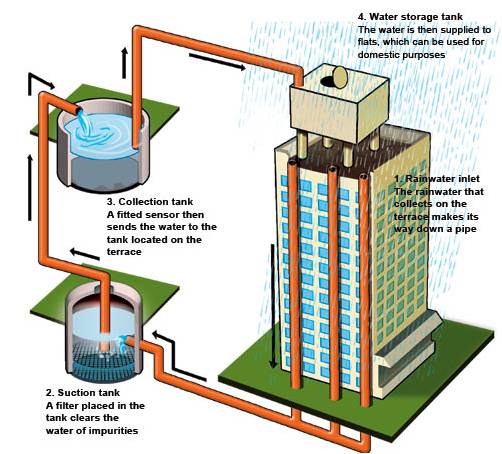
Rainwater harvesting refers to the collection and storage of rainwater from rooftops and other surfaces for reuse. This simple yet effective technique has been practiced for centuries across the world. In the context of Indian apartments, it involves channeling rainwater from building rooftops through a filtration system into storage tanks or recharging groundwater aquifers. The harvested water can then be used for various non-potable purposes, reducing the load on municipal supply and groundwater.
Why Rainwater Harvesting is Essential for Apartments in India
The reasons for adopting rainwater harvesting in Indian apartments are compelling. Rapid urbanization has led to increased population density in cities, putting immense pressure on existing water resources. Many housing societies rely heavily on tanker water, which is expensive and unsustainable. Moreover, unchecked extraction has led to alarming drops in groundwater levels. Rainwater harvesting helps mitigate these issues by supplementing water supply, lowering utility bills, and fostering water security for residents.
Key Benefits of Rainwater Harvesting for Apartment Communities
1. Reduces Dependency on External Water Sources
By capturing rainwater, apartments can significantly reduce their reliance on municipal water supply and private water tankers. During monsoon months, harvested rainwater can fulfill a substantial portion of daily water requirements, especially for activities like cleaning, flushing, and gardening.
2. Recharges Groundwater Tables
One of the most significant environmental benefits of rainwater harvesting is groundwater recharge. In many Indian cities, over-extraction has led to depleted aquifers. Harvested rainwater, when directed to recharge pits, helps replenish these underground reserves, ensuring long-term water sustainability for the locality.
3. Cost-Effective Solution
While the initial installation of a rainwater harvesting system requires investment, the long-term savings on water bills and tanker costs make it financially viable. Many state governments also offer subsidies and incentives for apartment associations that implement such systems.
4. Reduces Urban Flooding and Soil Erosion
Indian cities often experience heavy rainfall in short durations, leading to waterlogging and flooding. Rainwater harvesting captures this runoff, preventing surface flooding and reducing soil erosion, thereby protecting the apartment premises and surrounding infrastructure.
5. Promotes Eco-Friendly Living
Rainwater harvesting is a sustainable practice that aligns with the broader goals of environmental conservation. It reduces the carbon footprint associated with water extraction, transportation, and treatment, encouraging residents to be active participants in the green movement.
Implementing Rainwater Harvesting in Apartment Complexes: Step-by-Step Guide
Step 1: Assessing Rooftop Area and Water Demand
The process begins with an assessment of the total rooftop area available for rainwater collection and the average water demand of the apartment complex. This helps estimate the potential volume of rainwater that can be harvested annually.
Step 2: Designing the Collection and Filtration System
Rainwater is collected from rooftop surfaces through a network of gutters and downpipes. Before storage or groundwater recharge, it passes through multi-layered filters to remove debris, dust, and other contaminants, ensuring the harvested water is clean and safe for use.
Step 3: Storage or Groundwater Recharge
Harvested rainwater can be stored in dedicated tanks for non-potable use or directed to recharge pits and borewells to replenish aquifers. The choice depends on the community’s needs and local water table conditions.
Step 4: Maintenance and Monitoring
Regular inspection and cleaning of gutters, filters, and storage tanks are essential to maintain system efficiency. Apartment associations should conduct periodic checks, especially before and after the monsoon season.
Government Regulations and Support for Rainwater Harvesting
Recognizing the critical importance of water conservation, many Indian states have made rainwater harvesting mandatory for new apartments and commercial buildings. Urban local bodies often provide technical guidance, subsidies, and financial incentives to encourage adoption. Compliance not only ensures legal adherence but also enhances the property’s value in the real estate market.
Real-Life Success Stories: Indian Apartments Leading the Way
Several apartment complexes across Bengaluru, Chennai, Hyderabad, and Pune have successfully implemented rainwater harvesting, resulting in significant reductions in water bills and improved water availability. For instance, a 200-unit society in Bengaluru reported a 35% decrease in tanker water consumption after installing a rooftop harvesting system. Such examples demonstrate the practical viability and tangible benefits of adopting rainwater harvesting at the community level.
Challenges and Solutions in Rainwater Harvesting Implementation
Despite its advantages, some apartment associations face challenges such as lack of awareness, initial investment costs, space constraints, and inadequate maintenance. These can be addressed through community awareness programs, government grants, and professional consultation for system design. Regular training and involvement of residents also ensure the longevity and effectiveness of the system.
Future Prospects: Making Rainwater Harvesting a Way of Life
With climate change intensifying water scarcity, rainwater harvesting is set to play a pivotal role in urban water management. By integrating this practice into the design and operation of apartment complexes, Indian cities can move towards a future of water security and sustainability. Collective efforts from residents, builders, and authorities will be essential to mainstream this practice across all urban habitations.
Conclusion: A Call to Action for Apartment Dwellers
Rainwater harvesting is not just an environmental choice but an urgent necessity for Indian apartments. It empowers communities to take control of their water resources, ensures long-term sustainability, and contributes to a greener urban future. As the monsoon clouds gather each year, let apartment dwellers be ready to capture every drop—making every rainfall an opportunity for self-reliance and responsible living.