Ready-to-Move-In Apartments vs. Under-Construction Projects
Read latest blogs and articles from Housystan
The Information mentioned here was last updated on:
1/4/2026Ready-to-Move-In Apartments vs. Under-Construction Projects: Making the Right Home-Buying Decision
In India’s ever-evolving real estate landscape, one of the most significant choices facing homebuyers is whether to invest in a ready-to-move-in apartment or an under-construction project. Both options come with their distinct advantages, limitations, and risks. With changing market trends, increasing demand for transparency, and shifting buyer preferences, understanding the differences between these two property types is more crucial than ever. This article delves into the essential factors to consider, helping you make an informed decision tailored to your lifestyle, investment goals, and peace of mind.
Understanding the Core Differences
- Verified Tenants/Buyers
- Unlimited Property Listing
- Zero subscription/charges fee
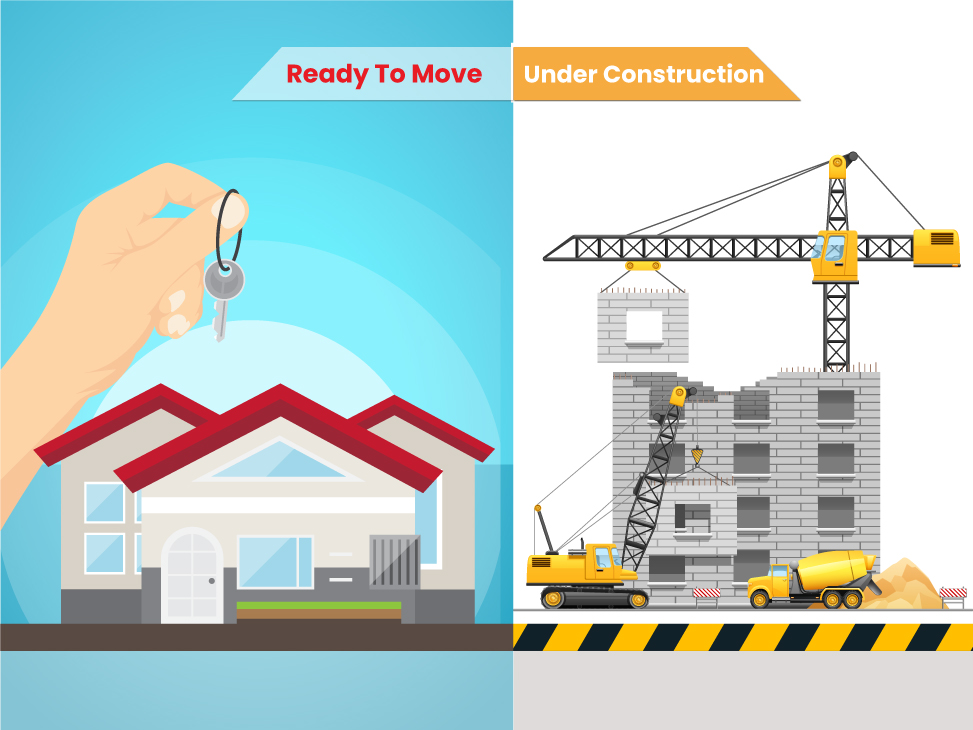
The primary distinction between ready-to-move-in apartments and under-construction projects lies in their stage of completion. A ready-to-move-in apartment is fully built, furnished, and available for immediate possession. In contrast, an under-construction project is still in the building phase, with possession promised at a future date. This fundamental difference has a ripple effect on multiple aspects of the home-buying process, from payment schedules to legal paperwork, and even on your future living experience.
Immediate Possession vs. Waiting Period
One of the most appealing features of ready-to-move-in apartments is the assurance of immediate possession. Buyers can move in as soon as the sale is finalized, making it an ideal choice for those facing urgent relocation needs or seeking to avoid paying both rent and EMIs at once. Under-construction projects, however, require patience. The waiting period—often ranging from 18 months to several years—can be a decisive factor, especially in cities where project delays are common due to regulatory hurdles or resource constraints.
Financial Planning and Payment Structure
Ready-to-move-in properties typically demand a lump-sum payment, or at least a significant down payment, followed by the balance upon possession. This requires buyers to have substantial funds readily available or access to immediate financing. On the flip side, under-construction projects offer staggered payment plans linked to construction milestones. This phased approach can ease the financial burden, making it more manageable for buyers to plan their investments. However, buyers must remain cautious, as missed deadlines from the developer can lead to prolonged double expenses—paying EMIs on a home not yet delivered while also covering rent.
Transparency and Risk Factors
Transparency is a growing concern among homebuyers. Ready-to-move-in apartments offer the distinct advantage of “what you see is what you get.” Buyers can physically inspect the property, review construction quality, evaluate amenities, and verify the surroundings. There’s little room for unpleasant surprises. Conversely, under-construction projects carry certain risks. While RERA (Real Estate Regulatory Authority) regulations have improved accountability, there can still be discrepancies between promised and delivered features, delays in handover, or even project abandonment in extreme cases. Meticulous due diligence and selecting reputed developers can mitigate these risks, but they cannot be entirely eliminated.
Customization and Modern Amenities
Under-construction projects often attract buyers with the promise of state-of-the-art amenities, contemporary designs, and the ability to customize interiors. Buyers may have options to choose layouts, finishes, and even minor structural modifications, giving a sense of personalization. Ready-to-move-in apartments, while convenient, offer limited scope for customization. What’s available is what the developer has delivered—there’s little flexibility to make changes without incurring additional costs and delays.
Legal Due Diligence and Documentation
Legal paperwork is a critical aspect of any property purchase. Ready-to-move-in apartments have the advantage of completed paperwork—occupancy certificates, clear titles, and all approvals in place. This significantly lowers the risk of legal complications. Under-construction projects, however, require buyers to verify land titles, building approvals, RERA registration, and stage-wise completion certificates. Any discrepancy can lead to future legal trouble, making it imperative to consult legal experts before committing to purchase.
Pricing and Appreciation Potential
Ready-to-move-in properties are generally priced higher than their under-construction counterparts in the same locality. The premium is for certainty, immediate access, and reduced risk. However, under-construction projects offer the benefit of buying at today’s prices, allowing for potential appreciation by the time of possession. For investors, this can translate into significant gains, provided the market remains favorable and the project is delivered as promised. It’s a calculated risk versus reward scenario, demanding careful market research and timing.
Tax Benefits and Home Loan Considerations
Homebuyers can avail tax benefits on both property types, but the timing of these benefits varies. For ready-to-move-in apartments, buyers can claim tax deductions on both principal and interest components of the home loan immediately. In under-construction projects, these benefits are deferred until possession. This can impact overall financial planning, especially for those relying on tax relief to manage their cash flows.
Resale Value and Rental Income
Ready-to-move-in apartments offer instant opportunities for rental income, making them attractive to investors looking for quick returns. Their resale value is also easier to gauge, as market trends and property conditions are immediately visible. Under-construction projects, while promising higher appreciation, come with uncertainties regarding future market conditions, neighborhood development, and actual project delivery. The liquidity of such investments is typically lower during the construction phase.
Location and Infrastructure Dynamics
Location remains a critical determinant of property value. Ready-to-move-in apartments are often situated in well-established neighborhoods with existing infrastructure—schools, hospitals, malls, and transport links. This ensures a comfortable lifestyle from day one. Under-construction projects are sometimes located in emerging areas where infrastructure development is still underway. While such areas may offer lower entry prices and future growth potential, they also carry the risk of delayed development and initially limited amenities.
Making the Right Choice: Factors to Consider
Ultimately, the decision between ready-to-move-in apartments and under-construction projects hinges on your individual priorities:
Conclusion: Weighing Convenience Against Potential
The choice between ready-to-move-in apartments and under-construction projects is seldom straightforward. Each option has its unique set of benefits and challenges. While ready-to-move-in homes offer certainty, peace of mind, and immediate access, under-construction projects promise potential appreciation and customization. By evaluating your financial situation, risk appetite, and long-term goals, you can make a sound investment that aligns with your aspirations. In India’s dynamic property market, informed decisions are the cornerstone of a successful home-buying journey.