Row Houses in Modern India
Read latest blogs and articles from Housystan
The Information mentioned here was last updated on:
1/4/2026Row Houses in Modern India: Redefining Urban Living
Introduction: The Rise of Row Houses in Urban India
Urban landscapes across India are witnessing a significant transformation, with row houses emerging as a popular housing choice among discerning homebuyers. Traditionally, Indian cities were dominated by standalone homes and high-rise apartments. However, as the urban population grows and land scarcity intensifies, row houses are carving a unique niche, blending privacy, affordability, and community living. This trend is redefining the way modern Indians perceive and experience urban housing.
- Verified Tenants/Buyers
- Unlimited Property Listing
- Zero subscription/charges fee
What are Row Houses? Understanding the Concept
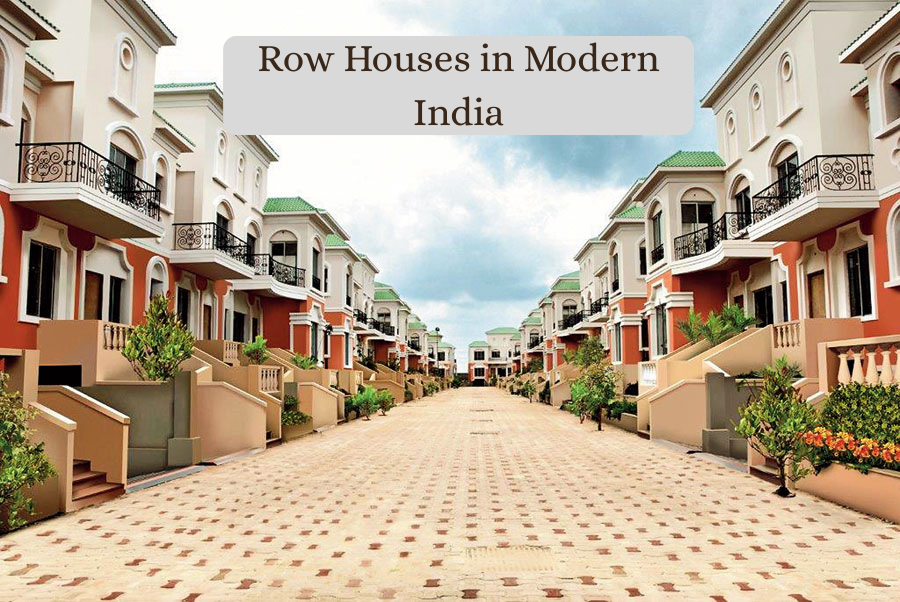
Row houses, also known as terraced houses, are a series of identical or mirror-image houses sharing side walls. Each unit typically has its own entrance, private terrace, and a small garden or backyard. Unlike apartments, row houses offer an independent living experience without the high maintenance and cost associated with standalone villas.
Evolution of Row Houses in India
The concept of row houses isn’t new to India. It can be traced back to colonial times, especially in cities like Kolkata and Mumbai, where British-influenced architecture introduced terraced housing. However, the modern row house has evolved to cater to contemporary needs, integrating innovative designs, smart technologies, and sustainable materials. Today, row houses are not just functional; they are aspirational, reflecting the changing lifestyle preferences of urban India.
Key Features of Modern Row Houses
Modern row houses in India are characterized by a harmonious blend of privacy and community spirit. Some of their notable features include:
1. Independent Living Spaces
Each unit functions as an independent home, with dedicated entrances, balconies, and often private parking. This ensures that residents enjoy autonomy without compromising on security.
2. Shared Amenities
Most row house communities offer shared amenities such as parks, clubhouses, swimming pools, and children’s play areas. This creates a sense of community and provides opportunities for social interaction, especially for families with young children and senior citizens.
3. Sustainable Design
Developers are increasingly incorporating eco-friendly features such as rainwater harvesting, solar panels, energy-efficient lighting, and green landscaping. These not only reduce the environmental footprint but also lower maintenance costs for residents.
4. Smart Home Integration
Many new row house projects come equipped with smart home technologies—remote-controlled lighting, security systems, and automated appliances—enhancing convenience and safety for occupants.
Why Are Row Houses Gaining Popularity?
Several factors contribute to the growing preference for row houses in modern India:
Affordability and Value for Money
Compared to villas or independent bungalows, row houses are relatively affordable due to efficient land utilization. They offer the best of both worlds: the privacy of an independent home and the cost-effectiveness of a shared structure.
Privacy Coupled with Community Living
Row houses provide a unique balance. Residents enjoy privacy with their own walls and outdoor spaces, yet they are never isolated, thanks to shared boundaries and community amenities.
Low Maintenance and Security
Most row house complexes have homeowners’ associations that manage maintenance, landscaping, and security. This collective approach reduces the individual burden and ensures round-the-clock safety.
Appreciation Potential
As urban land becomes increasingly scarce, row houses in prime locations tend to appreciate faster than apartments, making them an attractive investment option for buyers and investors alike.
Row Houses vs. Apartments: A Comparative Overview
While apartments continue to dominate the urban housing market, row houses offer distinct advantages:
Space and Customization
Row houses generally offer larger living spaces, private gardens, and scope for customization—luxuries often missing in apartment living.
Noise and Privacy
Unlike apartments, where noise from adjacent units can be a concern, row houses minimize this issue, thanks to fewer shared walls and separate entrances.
Community Connection
Both housing types promote community living, but row houses often foster a closer-knit community due to lower population density and shared amenities.
Challenges Facing Row Houses in India
Despite their growing popularity, row houses face certain challenges in the Indian context:
Land Availability and Cost
In densely populated cities, acquiring sufficient land for row house development can be challenging, often pushing such projects to city outskirts or emerging suburbs.
Maintenance and Upkeep
While homeowners’ associations manage maintenance in most communities, inconsistent upkeep can lead to disputes or declining property values over time.
Regulatory Hurdles
Zoning laws, building regulations, and local bylaws can sometimes complicate the approval process for row house projects, delaying construction and handover.
The Future of Row Houses in India
Looking ahead, the future of row houses appears promising. Urban planners and developers are recognizing the need for sustainable, community-oriented housing that doesn’t compromise on individual privacy. With the integration of green technologies, smart infrastructure, and innovative layouts, row houses are set to become a mainstay in the Indian residential landscape.
Furthermore, as work-from-home and hybrid work models gain traction, demand for homes offering personal outdoor spaces, home offices, and tranquil surroundings is expected to rise. Row houses, with their ample space and adaptability, are well-positioned to meet these evolving needs.
Conclusion: A Modern Solution for Urban India
Row houses in modern India represent a harmonious blend of tradition and innovation. They offer a compelling alternative to conventional apartments and standalone homes, catering to the aspirations of India’s growing urban middle class. As cities expand and lifestyles evolve, row houses are poised to play a pivotal role in shaping the future of urban living—delivering affordability, sustainability, privacy, and a vibrant sense of community. Whether for families, young professionals, or retirees, row houses stand out as a smart, stylish, and sustainable choice in the ever-changing Indian real estate market.