Smart Home Design Essentials
Read latest blogs and articles from Housystan
The Information mentioned here was last updated on:
1/4/2026Smart Home Design Essentials: Transforming Modern Living Spaces
Introduction: The Rise of Smart Home Design
In the rapidly evolving world of technology, smart home design has emerged as a transformative force, reshaping how we interact with and experience our living spaces. As more homeowners seek convenience, efficiency, and sustainability, integrating smart technology into home design has become an essential consideration. This article delves into the core essentials of smart home design, exploring the latest trends, key technologies, and practical strategies for creating a seamless smart home experience that enhances comfort, security, and energy efficiency.
- Verified Tenants/Buyers
- Unlimited Property Listing
- Zero subscription/charges fee
Understanding Smart Home Technology
At its core, smart home design involves incorporating interconnected devices and systems that can be managed remotely or automatically. From smart thermostats to intelligent lighting, these technologies offer homeowners unprecedented control and customization. As the Internet of Things (IoT) continues to expand, the possibilities for smart home integration are virtually limitless, providing solutions tailored to individual needs and preferences.
Key Components of Smart Home Design
1. Centralized Control Systems
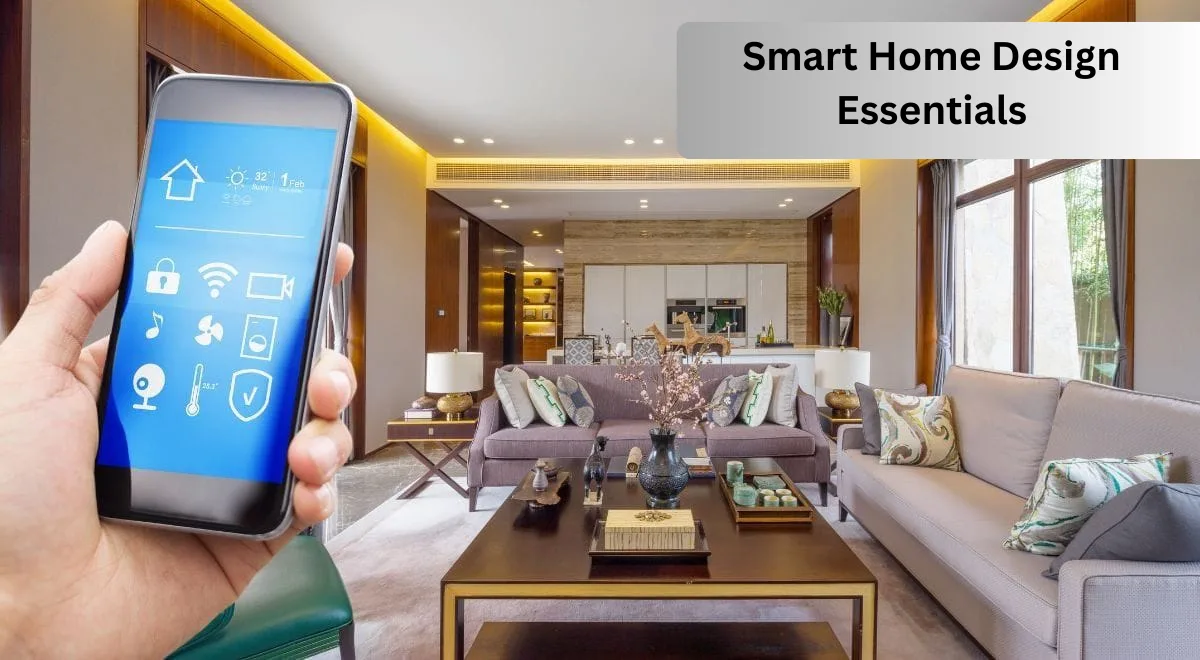
A fundamental feature of any smart home is a centralized control hub. Whether it’s a dedicated smart home controller or a smartphone app, these systems allow for unified management of various devices, including lighting, climate, security, and entertainment. Centralized control not only streamlines daily routines but also enhances accessibility for all family members.
2. Smart Lighting Solutions
Lighting is no longer just about illumination; it’s about setting the mood, saving energy, and improving convenience. Smart lighting systems, such as those compatible with Amazon Alexa or Google Assistant, enable users to adjust brightness, color, and scheduling from anywhere. Motion sensors and automated routines further optimize energy usage and create a welcoming atmosphere.
3. Intelligent Climate Control
Maintaining the perfect indoor environment is easier than ever with smart thermostats and HVAC systems. These devices learn user preferences and automatically adjust settings to maximize comfort and efficiency. Features like geofencing and remote access ensure optimal temperatures while reducing energy consumption, contributing to a more sustainable home.
4. Advanced Home Security
Security remains a top priority for homeowners. Smart security systems offer real-time monitoring, instant alerts, and remote access to surveillance cameras and door locks. Integration with other smart devices, such as lighting and alarms, creates a comprehensive security network that deters intruders and provides peace of mind.
5. Energy Management and Sustainability
Modern smart homes prioritize energy efficiency and sustainability. Energy monitoring devices track consumption patterns, enabling homeowners to make informed decisions about usage. Smart plugs, power strips, and appliances can be programmed to operate during off-peak hours or shut off automatically, reducing utility costs and environmental impact.
Designing for Seamless Integration
Successful smart home design goes beyond simply adding devices; it requires thoughtful planning to ensure seamless integration with the home’s architecture and lifestyle. This involves considering the placement of routers, hubs, and sensors to guarantee reliable connectivity and unobtrusive aesthetics. Open floor plans, concealed wiring, and built-in niches for devices contribute to a clean, modern look that complements smart technology.
The Importance of Interoperability
With a multitude of smart devices available, interoperability is crucial. Homeowners should prioritize systems and products that support open standards and compatibility with major platforms. This flexibility allows for easy upgrades and additions in the future, safeguarding the investment in smart home technology.
Customizing the Smart Home Experience
No two households are the same, and smart home design should reflect individual lifestyles. Personalization is a key benefit of smart technology—users can create custom routines, scenes, and schedules that align with their daily habits. Whether it’s automating morning wake-up routines or enhancing home entertainment, customization enhances both comfort and convenience.
Enhancing Accessibility and Inclusivity
Smart home design has the potential to improve accessibility for people with disabilities or limited mobility. Voice-activated assistants, automated doors, and customizable controls make everyday tasks easier and foster greater independence. Designing with inclusivity in mind ensures that smart home technology benefits everyone, regardless of age or ability.
Future-Proofing Your Smart Home
Technology continues to evolve at a rapid pace, and future-proofing is essential for long-term value. Homeowners should look for scalable systems and modular components that can adapt to new advancements. Regular software updates, cloud-based services, and integration with emerging technologies such as artificial intelligence and machine learning ensure that the smart home remains at the cutting edge.
Common Challenges and Solutions
While the benefits of smart home design are significant, there are challenges to consider. Privacy and cybersecurity are paramount, requiring robust encryption and regular updates to protect sensitive data. Network reliability is another consideration—investing in high-quality routers and mesh networks helps maintain connectivity throughout the home. Finally, user education and support are vital to ensure all family members can confidently use and maintain their smart home systems.
Conclusion: A Smarter Way to Live
Smart home design essentials go beyond gadgets and gimmicks—they represent a holistic approach to modern living, where technology enhances comfort, security, efficiency, and sustainability. By focusing on integration, personalization, and future readiness, homeowners can create living spaces that adapt to their needs and lifestyles. As smart homes become increasingly mainstream, embracing these design principles will ensure a home that is not only intelligent but also welcoming, safe, and efficient for years to come.