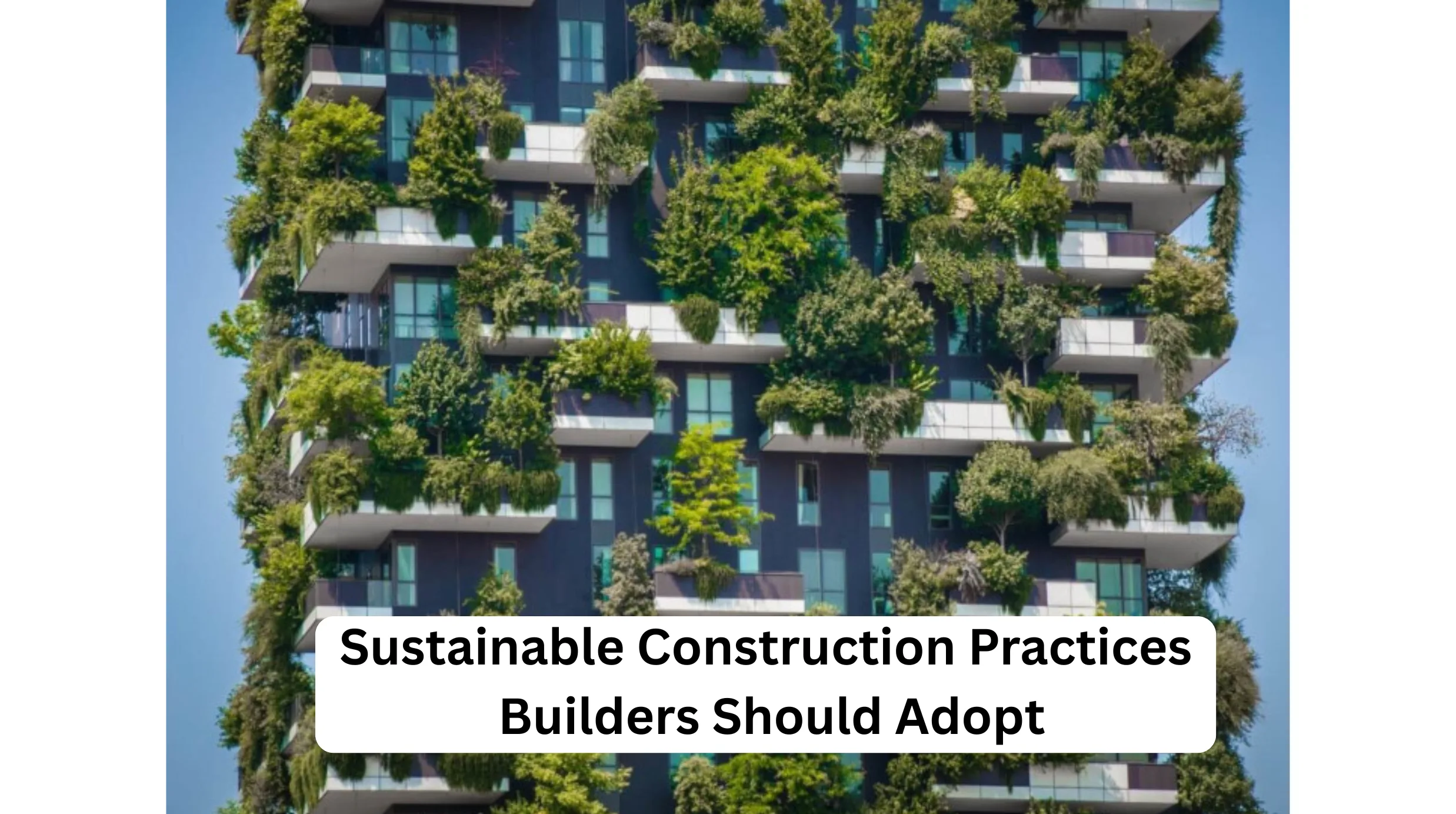
Sustainable Construction Practices Builders Should Adopt
Read latest blogs and articles from Housystan
The Information mentioned here was last updated on:
1/4/2026Sustainable Construction Practices Builders Should Adopt
Introduction: Building a Greener Future
As the world grapples with the effects of climate change and dwindling resources, the construction industry stands at a crucial crossroads. Traditional construction methods, often energy-intensive and wasteful, are giving way to sustainable approaches that minimize environmental harm and promote long-term efficiency. For builders, embracing sustainable construction practices is no longer just a moral imperative—it's a competitive advantage and a pathway to future-proofing their businesses. In this article, we’ll explore the core sustainable practices that builders should adopt, their benefits, and how these strategies can transform the construction landscape for the better.
- Verified Tenants/Buyers
- Unlimited Property Listing
- Zero subscription/charges fee
Understanding the Need for Sustainable Construction
Globally, the construction sector is responsible for approximately 39% of energy-related carbon dioxide emissions, according to the International Energy Agency. The industry’s reliance on non-renewable resources and the generation of vast amounts of waste put enormous pressure on the planet. Sustainable construction aims to reduce these impacts by incorporating eco-friendly materials, optimizing energy usage, and fostering healthier indoor and outdoor environments. For builders, this shift is not just about compliance—it’s about leading the way towards a more responsible and resilient future.
1. Embracing Energy-Efficient Building Designs
One of the first steps in sustainable construction is integrating energy-efficient design principles into building projects. This includes orienting structures to maximize natural light, utilizing high-performance insulation, and installing energy-efficient windows and doors. By doing so, builders can dramatically reduce a building’s energy consumption over its lifetime. Incorporating passive solar design, green roofs, and advanced HVAC systems further contributes to a sustainable energy profile, benefiting both occupants and the environment.
2. Prioritizing Sustainable Building Materials
The choice of materials plays a pivotal role in determining a project's environmental footprint. Builders should seek out materials that are renewable, recycled, or have low embodied energy. Options like reclaimed wood, bamboo, recycled steel, and eco-friendly concrete alternatives are gaining popularity among forward-thinking builders. Sourcing locally produced materials also reduces transportation emissions and supports regional economies. By prioritizing materials with lower environmental impacts, builders can contribute to a more sustainable supply chain.
3. Implementing Efficient Waste Management Strategies
Construction and demolition waste account for a significant portion of landfill volume worldwide. Adopting efficient waste management strategies—such as recycling on-site, reusing materials, and planning for minimal waste—can drastically reduce the environmental impact of construction projects. Builders can partner with local recycling facilities, employ modular construction techniques, and educate workers about best practices to foster a culture of sustainability on every job site.
4. Conserving Water Resources
Water conservation is another critical aspect of sustainable construction. Builders are increasingly incorporating low-flow fixtures, rainwater harvesting systems, and xeriscaping into their projects to minimize water use. Additionally, selecting drought-resistant landscaping and utilizing greywater recycling systems can further enhance a building’s water efficiency. These measures not only preserve precious water resources but also reduce utility costs for property owners.
5. Enhancing Indoor Environmental Quality
Healthy indoor environments are essential for occupant well-being and productivity. Builders should focus on using non-toxic materials, ensuring proper ventilation, and maximizing natural daylight within structures. Implementing air filtration systems and avoiding volatile organic compounds (VOCs) in paints and finishes can significantly improve indoor air quality. Such measures contribute to healthier living and working spaces, adding long-term value to sustainable developments.
6. Integrating Smart Technologies
Smart building technologies are revolutionizing the way structures are designed, built, and operated. From automated lighting and climate control systems to energy monitoring tools, these technologies help optimize resource consumption and maintenance. Builders who adopt smart solutions can offer clients enhanced efficiency, comfort, and cost savings, all while supporting broader sustainability goals. Leveraging data analytics also enables ongoing performance improvements and proactive maintenance strategies.
7. Supporting Renewable Energy Integration
Incorporating renewable energy sources, such as solar panels and wind turbines, is a hallmark of sustainable construction. Builders can design rooftops and facades to accommodate solar arrays, integrate battery storage solutions, and provide the infrastructure for future renewable energy upgrades. By enabling buildings to generate their own clean energy, builders are helping to reduce reliance on fossil fuels and lower greenhouse gas emissions.
8. Adopting Green Building Certifications
Pursuing certifications like LEED (Leadership in Energy and Environmental Design), BREEAM (Building Research Establishment Environmental Assessment Method), or the WELL Building Standard can guide builders toward more sustainable outcomes. These frameworks provide benchmarks for energy efficiency, water usage, materials selection, and overall environmental impact. Achieving certification not only demonstrates a commitment to sustainability but also enhances marketability and trust among clients and stakeholders.
9. Fostering Collaboration and Continuous Learning
Sustainable construction is a continually evolving field. Builders should invest in ongoing education and foster collaboration with architects, engineers, and suppliers who share a commitment to green building. Attending workshops, participating in industry forums, and staying updated on the latest innovations ensures that builders remain at the forefront of sustainable practices. This collaborative approach leads to more creative, effective, and resilient building solutions.
Conclusion: The Path Forward for Builders
Sustainable construction is no longer a niche trend—it’s fast becoming the standard for responsible building worldwide. By embracing energy-efficient designs, sustainable materials, robust waste management, water conservation, indoor environmental quality, smart technologies, renewable energy, and green certifications, builders can lead the charge toward a more sustainable future. Not only do these practices minimize environmental harm, but they also deliver tangible benefits for clients, communities, and the planet as a whole. For builders, the opportunity is clear: adopt sustainable construction practices today to build a legacy of positive impact for generations to come.