The Future of Traditional Crafts and Their Impact on Pune’s Property Market
Read latest blogs and articles from Housystan
The Information mentioned here was last updated on:
1/4/2026The Future of Traditional Crafts and Their Impact on Pune’s Property Market
Introduction: Weaving Heritage into Urban Growth
Pune, a city known for its vibrant culture and burgeoning real estate sector, stands at a crossroads where tradition meets modernity. As urban landscapes evolve, the significance of traditional crafts like Warli painting, Paithani weaving, and intricate woodwork is being rediscovered. These artistic legacies are not just preserving Pune’s cultural identity, but also subtly influencing the city’s property market. From adding unique value to new developments to inspiring sustainable design, traditional crafts are shaping the future of Pune’s real estate in remarkable ways.
- Verified Tenants/Buyers
- Unlimited Property Listing
- Zero subscription/charges fee
The Resurgence of Traditional Crafts in Pune
In recent years, there has been a notable revival of traditional crafts in Pune. Artisans who once struggled to find a market for their skills are now experiencing renewed demand. This resurgence is fueled by a growing appreciation among homeowners and developers for the authenticity and timeless beauty that handcrafted art brings to living spaces. As a result, property buyers are increasingly seeking homes that incorporate elements of Pune’s rich artisanal heritage, driving a shift in design preferences across the city.
How Traditional Crafts Influence Property Aesthetics
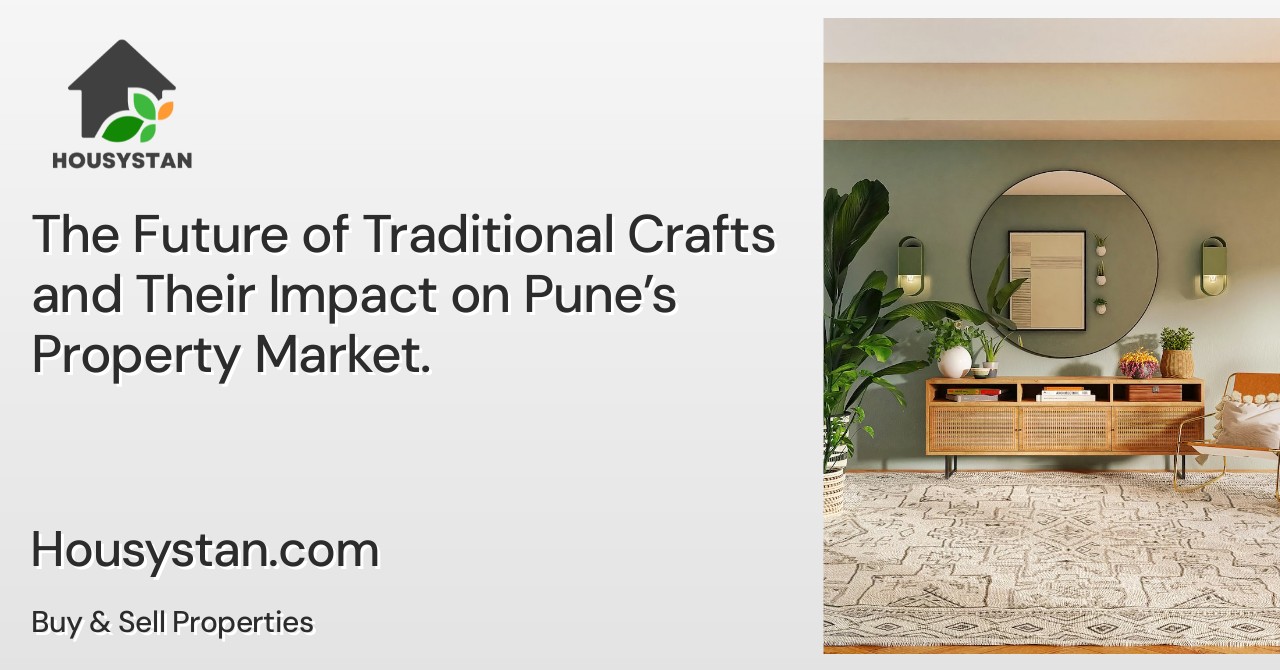
Modern real estate projects in Pune are embracing local crafts to create distinctive identities. Developers are collaborating with local artisans to incorporate handcrafted tiles, decorative grills, bespoke furniture, and traditional murals into their building designs. These features not only enhance the visual appeal of properties but also tell a story of Pune’s cultural legacy. For buyers, such details offer a sense of belonging and pride, while contributing to the uniqueness and exclusivity of their homes.
Sustainable Development and Green Practices
With a global push towards sustainability, Pune’s property market is turning to traditional crafts as a source of eco-friendly inspiration. Many crafts use natural materials like clay, bamboo, wood, and organic dyes, reducing the environmental footprint of construction. Local sourcing of these materials further cuts down on transportation emissions. Developers who integrate sustainable crafts into their projects are not only meeting regulatory requirements but also attracting environmentally conscious buyers, setting new benchmarks for green living in the city.
Boosting Local Economies and Empowering Artisans
The integration of traditional crafts into Pune’s property market has far-reaching socio-economic impacts. By creating a steady demand for handcrafted products, real estate developers are supporting thousands of local artisans and their families. This collaboration fosters skill preservation, generates employment, and injects vitality into rural economies. As property buyers become more aware of the stories behind their homes, they contribute to the social upliftment of artisan communities, fostering a cycle of sustainable growth.
Enhancing Property Value through Cultural Authenticity
Distinctive design elements rooted in traditional crafts can significantly boost the value of residential and commercial properties. Custom features such as hand-painted tiles, carved wooden doors, or textile wall art set properties apart in a competitive market. Real estate agents report that homes with authentic artisanal touches often command higher prices and attract discerning buyers who value craftsmanship and cultural heritage. These features are particularly appealing in luxury developments, where exclusivity and individuality are highly prized.
Case Studies: Pune’s Iconic Craft-Infused Developments
Several high-profile projects in Pune showcase the successful marriage of traditional crafts and contemporary architecture. For instance, residential complexes in Koregaon Park have integrated Paithani silk motifs into their common areas, while boutique hotels in Kothrud display local pottery and Warli murals. Such projects not only create immersive environments for residents and guests but also serve as living galleries for Pune’s artistic traditions. These case studies demonstrate how embracing local crafts can lead to commercial success and community appreciation.
Challenges and Opportunities Ahead
Despite growing interest, there are challenges to mainstreaming traditional crafts in the property sector. Issues such as the dwindling number of skilled artisans, limited access to quality materials, and the need for modern design adaptation must be addressed. Collaborative efforts between developers, government bodies, and craft organizations can help overcome these hurdles. Training programs, subsidies, and design workshops can ensure that crafts evolve without losing their authenticity, paving the way for greater integration into Pune’s real estate landscape.
The Role of Technology and Innovation
Technology is playing a pivotal role in bridging the gap between age-old crafts and contemporary construction. Digital platforms are connecting developers with artisans, making it easier to commission custom work. 3D modeling and virtual reality tools are helping designers visualize how traditional motifs can be adapted for modern spaces. Additionally, innovations in sustainable materials and building techniques are enabling the seamless fusion of heritage crafts with today’s architectural standards.
Consumer Preferences: The New Age Homebuyer
The modern homebuyer in Pune is well-informed and increasingly values authenticity, sustainability, and local heritage. Surveys reveal that buyers are willing to pay a premium for properties that reflect their cultural roots and offer one-of-a-kind design elements. This shift in consumer mindset is prompting developers to rethink their approach, placing greater emphasis on craft-led interiors, community spaces, and even heritage conservation within new projects.
Conclusion: Crafting a Future Where Heritage and Real Estate Thrive
The future of traditional crafts and their impact on Pune’s property market is intertwined with the city’s vision for inclusive, sustainable, and culturally rich urban development. As more developers recognize the value of artisanal integration, Pune is poised to become a model for cities seeking to blend heritage with modern living. By supporting traditional crafts, the property sector not only enhances the aesthetic and economic value of homes but also contributes to the preservation of Pune’s unique identity for generations to come.