The Impact of Vegetation on Villa Living
Read latest blogs and articles from Housystan
The Information mentioned here was last updated on:
1/4/2026The Impact of Vegetation on Villa Living: Enhancing Comfort, Value, and Well-being
Introduction: The Green Revolution in Modern Villa Living
As urban landscapes expand and living spaces evolve, vegetation has emerged as a cornerstone of villa design and lifestyle. Today, homeowners and developers alike are recognizing the transformative power of greenery, not just for aesthetics but for its profound impact on comfort, health, property value, and environmental sustainability. In this article, we explore how integrating vegetation into villa environments is shaping the way people live, feel, and connect with their surroundings.
- Verified Tenants/Buyers
- Unlimited Property Listing
- Zero subscription/charges fee
The Aesthetic Allure: Creating Picturesque Villa Retreats
One of the most immediate impacts of vegetation in villa settings is visual appeal. Lush gardens, manicured lawns, and mature trees provide a stunning backdrop that enhances architectural elements and creates a sense of tranquility. Landscape architects increasingly design villa gardens to include a mix of native plants, flowering shrubs, and ornamental trees, ensuring year-round color and texture. These green spaces not only offer a feast for the eyes but also become focal points for relaxation, entertaining, and outdoor living.
Boosting Property Value: The Green Premium
Vegetation is more than just a decorative feature—it’s a strategic investment. Numerous real estate studies indicate that villas surrounded by well-maintained gardens and greenery command higher prices in the market. Buyers are willing to pay a premium for homes with mature landscaping, shaded outdoor spaces, and privacy hedges. Trees, in particular, can increase property value by providing cooling shade, reducing energy costs, and creating a sense of exclusivity. For villa owners, investing in vegetation is not just about personal enjoyment but also about safeguarding and enhancing their asset’s long-term value.
Environmental Benefits: Villas as Ecological Havens
In an era of climate change and environmental awareness, villas with abundant vegetation play a critical role in promoting ecological health. Plants and trees help purify the air by absorbing pollutants and releasing oxygen. Strategic planting can also reduce the urban heat island effect, lower ambient temperatures, and improve microclimates around villas. Additionally, gardens support local biodiversity by providing habitats for birds, pollinators, and beneficial insects. Many villa owners are now choosing drought-resistant and native plant species to conserve water and create low-maintenance, sustainable landscapes.
Improving Health and Well-being: The Therapeutic Power of Green Spaces
The connection between human health and nature is well documented. Villas with gardens and green zones offer residents opportunities for exercise, relaxation, and socialization. Spending time in natural surroundings has been shown to reduce stress, lower blood pressure, and improve mental health. For families, gardens become safe spaces for children to play and explore. For older adults, tending to plants can foster a sense of purpose and physical activity. Many villa communities are incorporating communal gardens, walking paths, and meditation areas to further enhance residents’ well-being.
Energy Efficiency and Microclimate Control
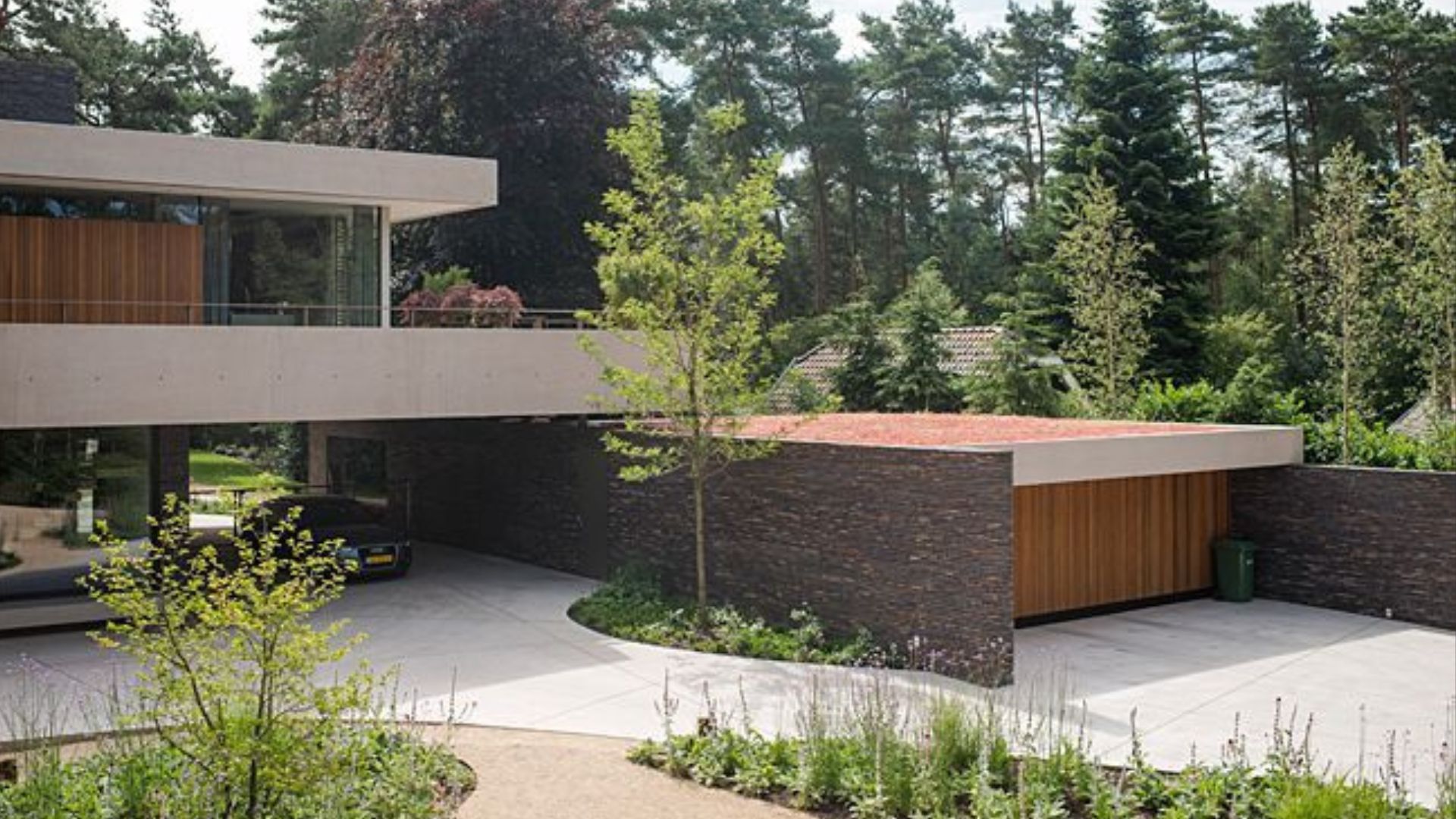
Vegetation is an effective natural climate control mechanism. Trees and shrubs strategically placed around a villa can provide shade during hot summer months, reducing the need for air conditioning. They also act as windbreaks in colder seasons, helping to insulate the home and lower heating bills. Green roofs and living walls are innovative solutions that villa designers are implementing to further improve insulation, reduce energy consumption, and create striking architectural features. The result is a more comfortable living environment and reduced ecological footprint.
Privacy and Security: Natural Barriers for Peace of Mind
Privacy is a top priority for villa residents, and vegetation offers an elegant solution. Dense hedges, climbing vines, and strategically planted trees can create natural screens that shield outdoor living areas from neighboring properties and prying eyes. These green barriers not only enhance seclusion but also help to reduce noise pollution from nearby roads or urban activity. For added security, thorny or dense plant species can be used along property boundaries to deter unwanted intruders, blending aesthetics with practicality.
Encouraging Outdoor Living and Social Interaction
Villas with thoughtfully designed gardens and lush vegetation encourage residents to spend more time outdoors. Patios shaded by leafy trees, pergolas draped in flowering vines, and lawns bordered by aromatic herbs create inviting spaces for dining, entertaining, and relaxation. Outdoor living areas become extensions of the home, fostering social interaction and a sense of community. In regions with temperate climates, these green zones can be enjoyed throughout much of the year, turning villas into true indoor-outdoor sanctuaries.
Promoting Sustainability: Eco-friendly Villa Landscaping
Sustainability is at the forefront of modern villa development. Homeowners and landscapers are increasingly opting for eco-friendly gardening practices, such as composting, rainwater harvesting, and the use of organic fertilizers. Permeable paving and mulching reduce water runoff and soil erosion, while native plant selections minimize the need for chemical inputs and irrigation. These sustainable approaches not only benefit the environment but also lower maintenance costs and create landscapes that thrive for years to come.
Future Trends: Smart Gardening and Biodiversity Corridors
The future of villa landscaping is being shaped by technology and ecological awareness. Smart irrigation systems use sensors and weather data to optimize watering schedules, conserving water and promoting plant health. Biodiversity corridors are being integrated into villa developments, connecting private gardens with larger green networks and supporting migratory wildlife. Vertical gardens, edible landscapes, and rooftop orchards are gaining popularity, offering innovative solutions for maximizing greenery in limited spaces. These trends point to a future where villas are not just luxurious residences, but integral parts of thriving, resilient ecosystems.
Conclusion: The Lasting Impact of Vegetation on Villa Living
The presence of vegetation in villa environments brings far-reaching benefits that extend beyond beauty. From increasing property value and promoting sustainability to supporting well-being and fostering community, green spaces are redefining what it means to live well. As more people seek harmony with nature, villas surrounded by thriving gardens and lush landscapes will continue to set the standard for modern, healthy, and fulfilling living.