Zero brokerage — always free
Buy Property in Bangalore —Zero Brokerage
Verified new launch & RERA-registered apartments, villas & plots in Bangalore. Post your property free in 5 minutes.
100% Free ListingNo charges, ever
Zero BrokerageOwner direct deals
10,000+ PropertiesAcross 50+ cities
Verified OwnersReal people, real listings
Properties in Bangalore — New Launch, Verified & RERA
Buy apartments, villas & plots in Bangalore — zero brokerage
Professional Real Estate Services in Bangalore
Relocation, home loans & more — by Housystan

 Why consider Housystan services?
- Effortless Home Loans, Your Dream Home Within Reach
- Expert Painting, Crafted to Perfection
- Stress-Free Relocation, Smooth Moves Every Time
- Custom Homes, Crafted to Your Vision
Recently Added Properties for rent
Best Properties Across Bangalore



Recently Added Properties for sale
Best Properties Across Bangalore


For Property Owners
List your property for free in 3 easy steps
While others charge ₹5,000–₹25,000 per listing — we charge nothing.
Step 01
Post Your Property
Fill in basic details — location, price, type. Takes under 5 minutes.
Step 02
Add Photos
Upload photos to get 10× more enquiries. Good photos = faster deals.
Step 03
Get Buyer Calls
Verified buyers contact you directly. No broker in between. Ever.
Hot Selling Projects in Bangalore
Featured Projects
Bangalore Projects in High Demand
Most explored projects
Top Real Estate Builders in Bangalore
Verified projects from India's leading developers



Browse Properties by BHK — 1, 2, 3 & 4 BHK Flats & Villas

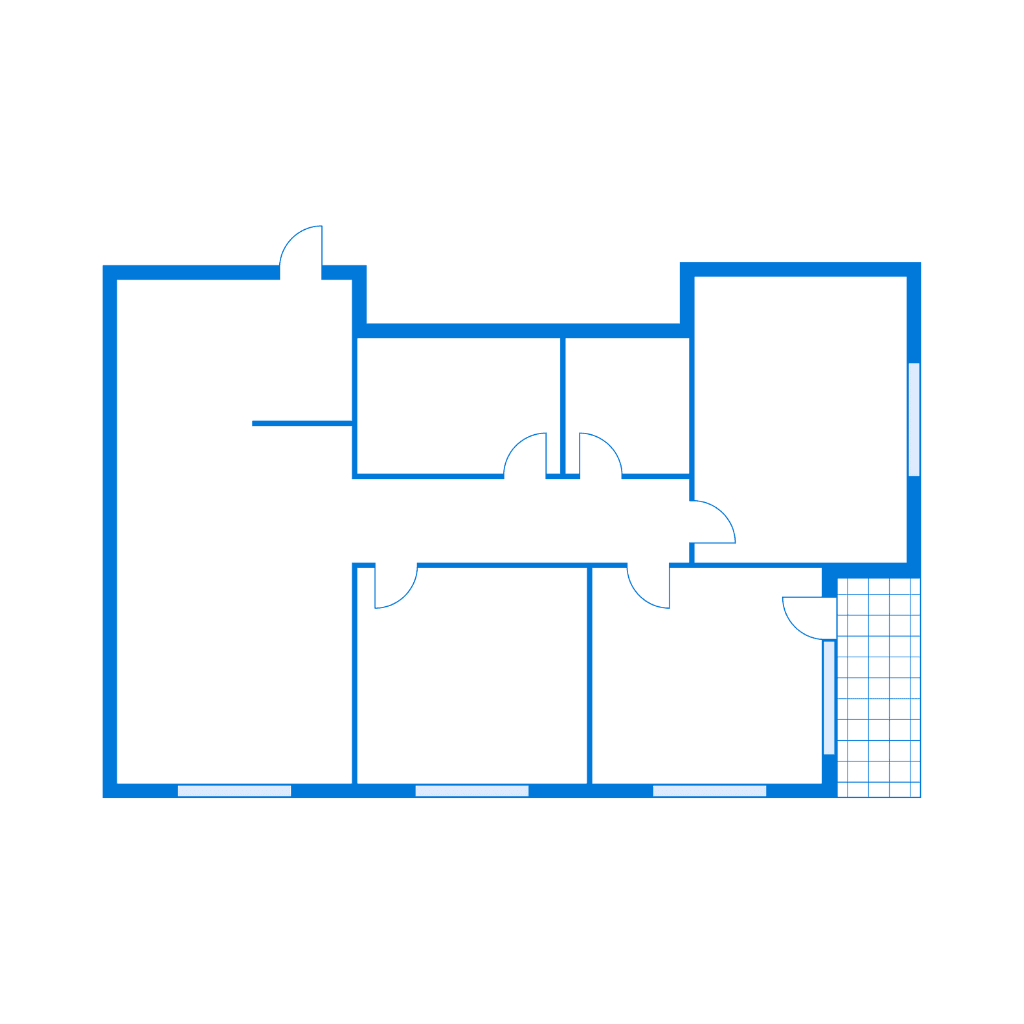
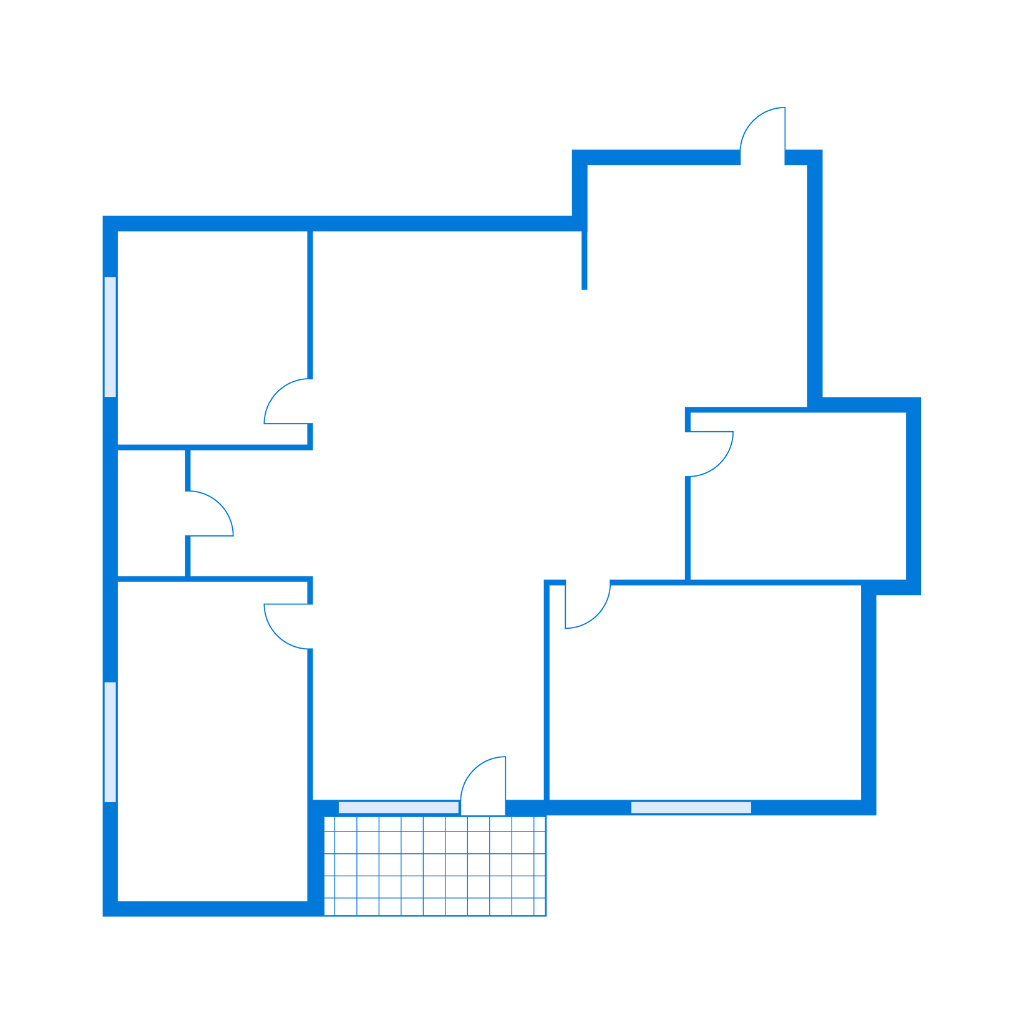
Apartments, Villas, Plots & More in Bangalore
Browse every property type — free, zero brokerage


Browse Properties by Budget — Under ₹50L to ₹2Cr+



Real Estate Blog — Home Buying Tips & Market Trends
Expert insights for smarter property decisions


Bangalore Real Estate Market — At a Glance
Prices, growth corridors & top builders in Bangalore
Bangalore is India's largest residential real estate market by new-launch volume, powered by the IT corridors of Whitefield, Sarjapur Road, Electronic City and Hebbal. As of 2026, mid-segment homes in these corridors trade at Rs 7,500–12,000 per sq ft, while emerging belts like Devanahalli, Budigere Cross and Hoskote start near Rs 4,500 per sq ft and sit directly on the Peripheral Ring Road and airport-expansion growth path.
Brigade, Prestige, Sobha, Godrej Properties and Puravankara account for much of the city's quality supply, and rental yields of 3–4% in Whitefield and Electronic City make Bangalore a rare dual-return market — capital appreciation plus dependable tenant demand from the tech workforce.
Frequently Asked Questions — Properties in Bangalore
Everything you need to know about buying property in Bangalore
What is the average property price in Bangalore?
As of 2026, the average property price in Bangalore ranges from Rs 4,500 to Rs 20,000 per sq ft depending on the locality. Premium micro-markets like Indiranagar, Koramangala, and Sadashivanagar command Rs 12,000–20,000 per sq ft. Mid-segment IT corridors — Whitefield, Sarjapur Road, Hebbal, and Electronic City — range from Rs 7,500–12,000 per sq ft. Emerging areas like Budigere Cross, Devanahalli, and Hoskote offer Rs 4,500–7,000 per sq ft, with strong appreciation expected as the Peripheral Ring Road and Bangalore-Chennai Expressway projects advance.
Which are the best localities to buy property in Bangalore?
The best localities to buy property in Bangalore in 2026 depend on your budget and workplace. For IT professionals working in tech parks, Whitefield, Sarjapur Road, Electronic City, Hebbal, and Marathahalli offer the best employment-to-home proximity at Rs 7,500–12,000 per sq ft. For premium living, Indiranagar, Koramangala, and Jayanagar are the top choices. For investment with high appreciation potential, emerging areas like Budigere Cross, Hoskote, Devanahalli, and Bagalur along the BIAL expansion zone are attracting buyers at Rs 4,500–7,000 per sq ft. Top builders active in these corridors include Brigade, Prestige, Sobha, Godrej Properties, and Puravankara.
Is it a good time to buy property in Bangalore in 2026?
Yes, 2026 is considered a strong window to buy property in Bangalore. The city's IT and startup sectors are expanding employment, keeping housing demand consistently high. Namma Metro Phase 2 and Phase 3 lines are opening new investment corridors along Kanakapura Road, Hebbal, Nagavara, and Whitefield. New launch projects from builders like Brigade, Prestige, and Godrej are offering early-buyer prices 10–20% below expected completion prices. Rental yields in Whitefield and Electronic City are running at 3–4% per annum, making Bangalore a dual-return market for investors.
What are the RERA-registered projects in Bangalore?
Bangalore has thousands of RERA-registered projects under Karnataka RERA (K-RERA), one of India's most active state RERA authorities. Every new launch, under-construction, and recently completed project above the threshold size is required to register with K-RERA and publish quarterly construction updates. Housystan displays the RERA registration number for every applicable listing — you can independently verify any project at rera.karnataka.gov.in using the RERA ID. All projects by builders like Brigade, Prestige, Sobha, Godrej, and Puravankara listed on Housystan carry verified RERA registration numbers.
Which builders have the best projects in Bangalore?
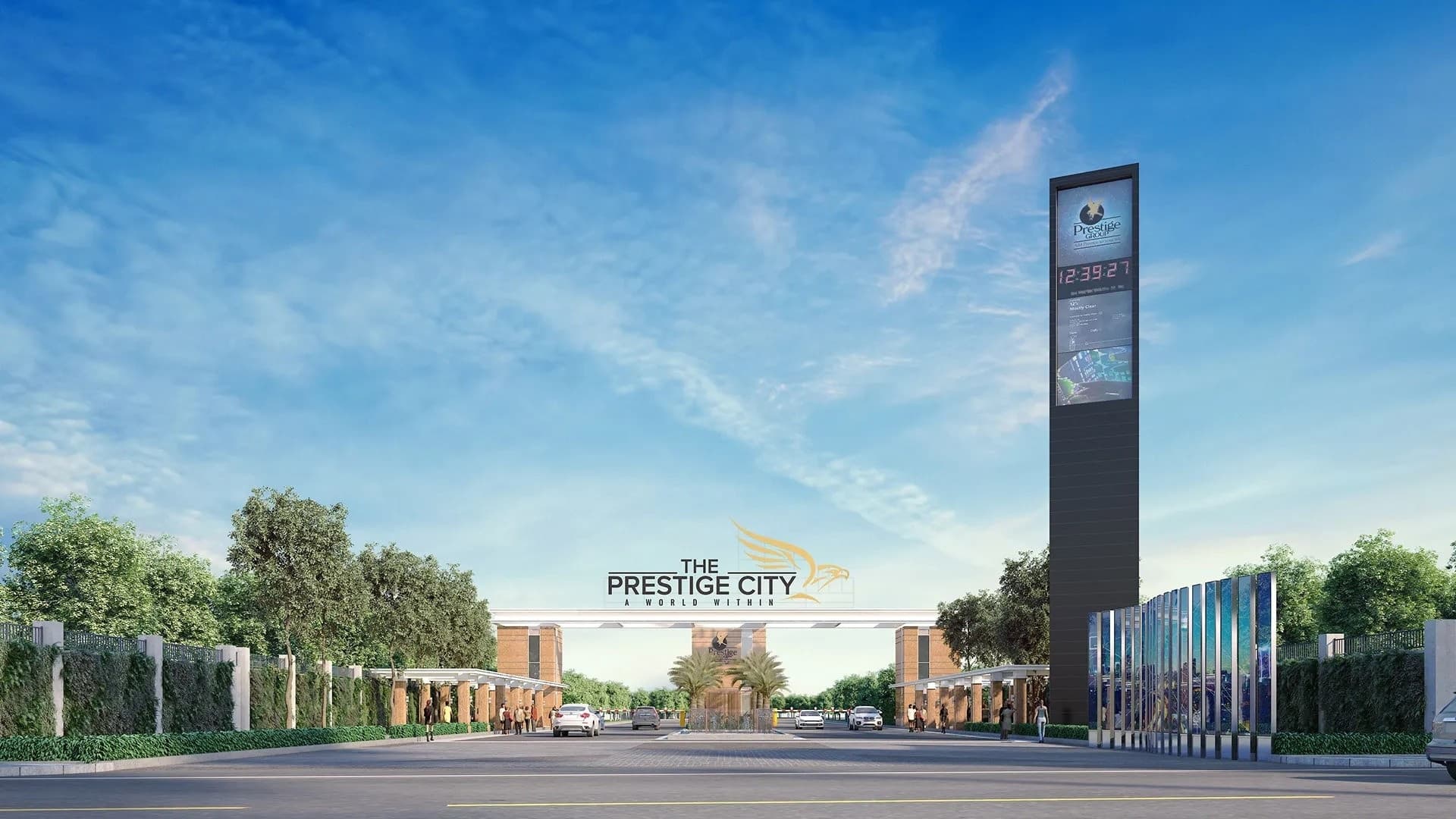
The top RERA-registered real estate builders in Bangalore in 2026 include Brigade Group (known for Brigade Orchards, Brigade Tech Gardens corridor), Prestige Group (Prestige Raintree Park, Prestige Devanahalli township), Sobha Developers (premium finish across Sarjapur and Koramangala), Godrej Properties (Godrej Woodscapes, Godrej Splendour in Whitefield), Total Environment (sustainable luxury in Sarjapur Road), Puravankara (Provident Housing arm for affordable segment), and Salarpuria Sattva (Salarpuria Sattva Magnus). These developers are known for on-time delivery, transparent RERA compliance, and construction quality consistent with their track records across earlier projects.
Buy Properties in India's Top Cities
Bangalore, Hyderabad, Mumbai, Pune, Chennai & more