The Rise of Mixed-Use Developments: Apartments Integrated with Retail and Office Spaces
Read latest blogs and articles from Housystan
The Information mentioned here was last updated on:
1/4/2026The Rise of Mixed-Use Developments: Apartments Integrated with Retail and Office Spaces
Introduction: Shaping the Next Urban Era
The urban landscape is rapidly transforming, and at the heart of this evolution is the surge in mixed-use developments. These innovative projects seamlessly blend residential apartments, retail hubs, and office spaces into a single, integrated environment. As cities expand and lifestyles become increasingly dynamic, mixed-use buildings are redefining how people live, work, and interact. This article explores the drivers behind their popularity, the benefits they offer residents and businesses, and what the future holds for this urban trend.
- Verified Tenants/Buyers
- Unlimited Property Listing
- Zero subscription/charges fee
Understanding Mixed-Use Developments: A New Urban Blueprint
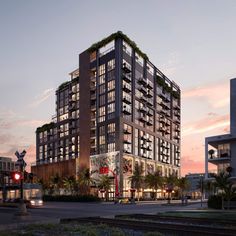
Mixed-use developments bring together diverse functions—living, shopping, dining, and working—under one roof or within interconnected structures. Typically, a mixed-use project will feature apartments or condominiums on upper levels, street-level retail outlets, and flexible office spaces. The design is intentional, promoting walkability and convenience while fostering a sense of community. These developments can be found in city centers, revitalized suburban areas, and even smaller towns aiming for sustainable growth.
Drivers Behind the Growth of Mixed-Use Projects
Several key factors are fueling the rise of mixed-use developments:
Urbanization and Population Growth
As more people migrate to cities, there’s a growing need for efficient land use and housing solutions. Mixed-use buildings maximize limited space, providing homes, workplaces, and amenities all in one location.
Changing Lifestyles and Work Patterns
The shift towards remote work and hybrid office models has altered what people seek in their living environments. Residents now prioritize proximity to workspaces, fitness centers, dining, and entertainment—features that mixed-use communities deliver effortlessly.
Demand for Sustainable Development
Environmental concerns are at the forefront of urban planning. Mixed-use projects reduce reliance on cars, encourage walking or cycling, and often incorporate green building practices, contributing to lower carbon footprints.
Benefits for Residents: Convenience and Connectivity
For apartment dwellers, the allure of mixed-use developments is undeniable. Imagine waking up in a modern apartment, grabbing coffee from a café in your building’s lobby, and heading to your office upstairs or next door. Residents save time, reduce commuting stress, and enjoy immediate access to retail outlets, gyms, and other amenities. This convenience not only enhances quality of life but also fosters a vibrant, connected community.
Enhanced Social Interaction
By integrating residential, retail, and professional spaces, these developments create opportunities for daily social encounters. Shared courtyards, rooftop lounges, and communal facilities encourage neighbors to connect, building a sense of belonging that traditional neighborhoods sometimes lack.
Retailers and Businesses: Built-In Customer Base
For retail and office tenants, mixed-use developments offer a strategic advantage. With a steady flow of residents and workers, businesses benefit from a built-in customer base and consistent foot traffic. Restaurants, boutiques, and service providers can thrive without relying solely on external visitors.
Flexible, Modern Workspaces
Office spaces within these projects are often designed for flexibility, catering to startups, freelancers, and established companies adapting to new work trends. Amenities like high-speed internet, shared conference rooms, and wellness areas make these offices especially appealing to today’s workforce.
Economic and Environmental Impact
Mixed-use developments have far-reaching economic and environmental benefits. By concentrating activity in a compact area, cities can make better use of infrastructure and public services. These projects often catalyze neighborhood revitalization, boosting property values and attracting further investment.
Sustainable Transportation and Energy Efficiency
With residents and workers living closer to their daily destinations, reliance on cars decreases. This shift reduces traffic congestion, lowers emissions, and encourages public transit use. Many developments also incorporate energy-efficient systems, green roofs, and sustainable materials, further minimizing their environmental footprint.
Challenges and Considerations
While the advantages of mixed-use projects are clear, there are challenges to address. Zoning regulations, financing complexities, and the need for careful community planning can slow down development. Successful projects require thoughtful integration of residential, commercial, and office components to avoid issues like overcrowding or noise pollution.
Community Engagement and Inclusive Design
To ensure long-term success, developers must engage with local communities and prioritize inclusive design. This means creating spaces that are accessible, affordable, and reflective of local culture and needs. Balancing commercial interests with the well-being of residents is essential for building sustainable, livable environments.
Case Studies: Mixed-Use Success Stories
Across the globe, mixed-use developments are making a significant impact. In cities like New York, Chicago, London, and Singapore, iconic projects such as Hudson Yards, The Wharf, King’s Cross, and Marina Bay have transformed urban districts into thriving hubs. These developments feature innovative architecture, public parks, art installations, and diverse retail and dining options, showcasing the potential of integrated urban design.
Looking Ahead: The Future of Urban Living
As cities continue to grow and evolve, mixed-use developments are set to play an even greater role in shaping the future. Advances in smart building technology, sustainable construction, and urban mobility will further enhance the appeal and functionality of these projects. Developers and city planners are likely to focus on creating even more adaptable, resilient, and people-centric environments—where work, life, and leisure seamlessly intersect.
Conclusion: Embracing the Mixed-Use Revolution
The rise of mixed-use developments marks a pivotal shift in urban planning and real estate. By integrating apartments with retail and office spaces, these projects offer unmatched convenience, foster community engagement, and support sustainable growth. For residents, businesses, and cities alike, the mixed-use model represents a forward-thinking approach to building vibrant, resilient communities. As the trend accelerates, the challenge—and opportunity—lies in creating inclusive, innovative spaces that will define the next chapter of urban living.