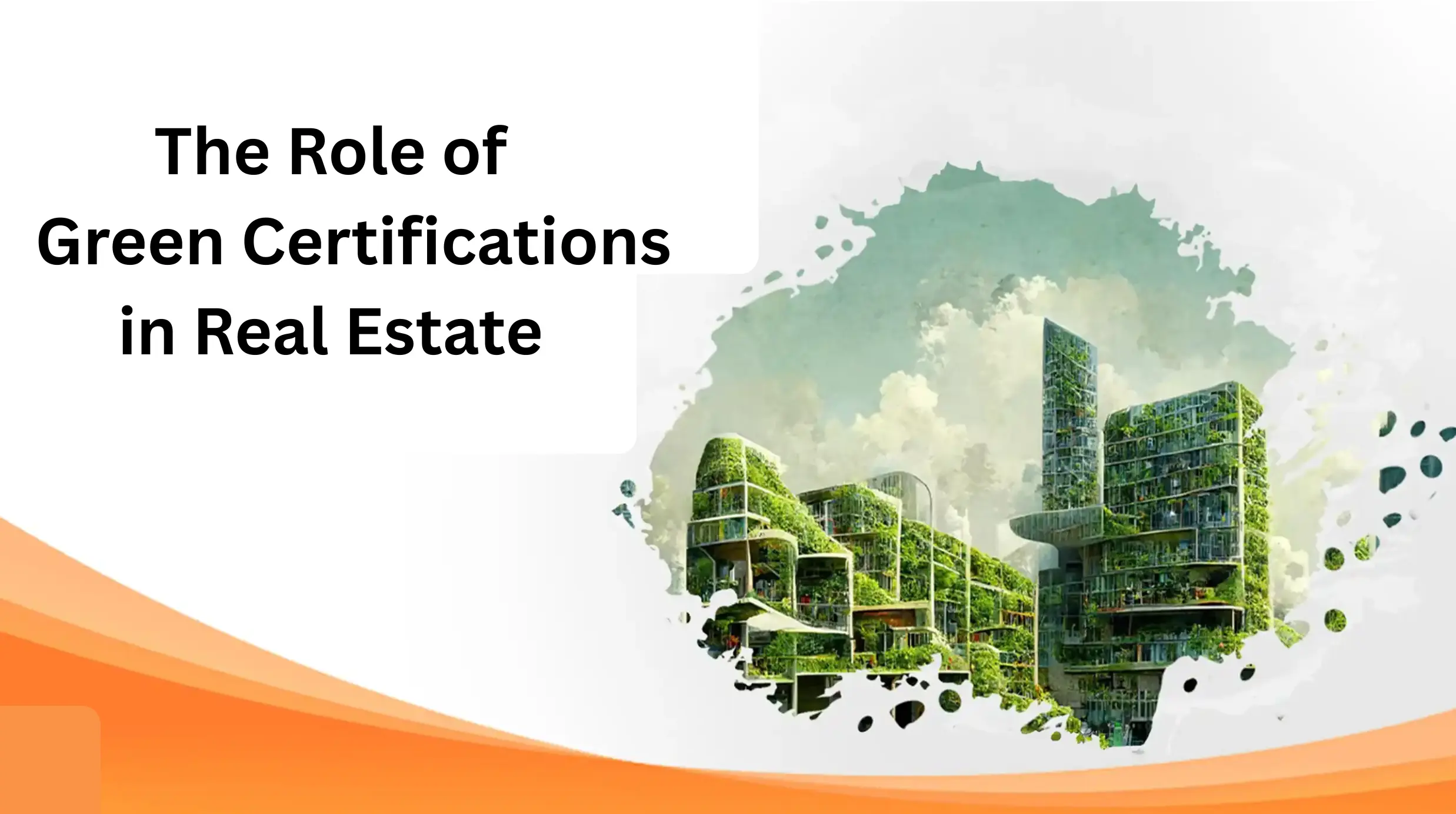
The Role of Green Certifications in Real Estate
Read latest blogs and articles from Housystan
The Information mentioned here was last updated on:
1/4/2026The Role of Green Certifications in Real Estate: Shaping Sustainable Communities and Investments
Introduction: The Growing Importance of Sustainability in Real Estate
In recent years, sustainability has moved from a niche concern to a driving force in the real estate industry. As climate change and environmental awareness rise, both property developers and buyers are prioritizing eco-friendly practices. Green certifications, once an extra feature, are now central benchmarks for measuring a building’s environmental performance. These certifications are influencing everything from property value to tenant satisfaction, reshaping the landscape of real estate investment and development.
- Verified Tenants/Buyers
- Unlimited Property Listing
- Zero subscription/charges fee
What Are Green Certifications?
Green certifications are formal recognitions awarded to buildings that meet specific environmental, health, and energy efficiency standards. Examples include LEED (Leadership in Energy and Environmental Design), BREEAM (Building Research Establishment Environmental Assessment Method), and WELL Building Standard. These systems evaluate factors such as energy use, water conservation, indoor air quality, building materials, and site sustainability. Their aim is to ensure that properties are healthier for occupants and less taxing on the planet.
Why Green Certifications Matter in Real Estate
Green certifications have become an essential part of the real estate ecosystem for several reasons. Firstly, they serve as proof that a property meets rigorous environmental standards. This transparency is attractive to investors, tenants, and buyers who are increasingly scrutinizing the ecological footprint of their choices. Secondly, certified green buildings often come with long-term operational cost savings, thanks to reduced energy use, water consumption, and maintenance requirements. Finally, they demonstrate a commitment to corporate social responsibility, which can enhance a developer’s or landlord’s reputation in a competitive market.
Popular Green Certification Systems
Among the most widely recognized green certifications is LEED, which originated in the United States but is now used worldwide. LEED rates buildings based on sustainability metrics such as site selection, water efficiency, energy optimization, and material selection. BREEAM, popular in Europe, assesses a broader range of factors, including management, health and wellbeing, and pollution. The WELL Building Standard focuses more on occupant health, examining aspects like air, water, nourishment, and light. Other programs, such as ENERGY STAR and Green Globes, also play significant roles in shaping real estate sustainability.
The Impact of Green Certifications on Property Values
Numerous studies have shown a positive correlation between green certifications and property values. Certified buildings often command higher rents, enjoy lower vacancy rates, and attract premium tenants. For example, a LEED-certified office tower in a major city may see increased interest from multinational corporations seeking to meet their own sustainability targets. In residential real estate, green homes are increasingly sought after by buyers who value energy efficiency, indoor air quality, and future-proof investments. These trends highlight the growing market demand for verifiable green credentials.
Tenant and Buyer Preferences: The Human Side of Green Buildings
Today’s tenants and buyers are more discerning than ever. For many, green certifications provide assurance about a building’s performance and its impact on their wellbeing. Healthier indoor environments, lower utility bills, and access to green spaces are frequently cited as reasons for choosing certified properties. Millennials and Gen Z, in particular, are driving this shift, seeking homes and offices that align with their environmental values. This human-centric focus is prompting developers to integrate sustainability early in the design process, not as an afterthought.
Cost Considerations and Return on Investment
While achieving green certification can require higher upfront investment, the long-term benefits often outweigh the costs. Certified buildings typically feature more efficient insulation, lighting, and HVAC systems, all of which reduce utility expenses. They may also benefit from government incentives, tax credits, and rebates. Over time, these savings, combined with premium rental rates and lower turnover, contribute to a strong return on investment. For investors and property owners, green certification is increasingly seen as a smart financial strategy, not just an environmental one.
Challenges and Barriers in Adopting Green Certifications
Despite their advantages, green certifications are not without challenges. Some developers cite the complexity and cost of certification processes as barriers, especially for smaller projects. There can also be confusion over which certification system best suits a particular property or market. Additionally, maintaining certification requires ongoing monitoring and sometimes costly updates. However, as technology advances and government policies evolve, these barriers are gradually diminishing, making green certifications more accessible than ever before.
The Role of Policy and Regulation
Government policies and regulations are playing an increasingly significant role in promoting green certifications in real estate. Many cities now require new commercial buildings to meet certain green standards or offer incentives for achieving certification. This regulatory push is accelerating the adoption of sustainable practices industry-wide. As global attention on climate change intensifies, it is likely that even stricter standards and incentives will emerge, further embedding green certifications into the fabric of real estate development.
Case Studies: Real-World Impact of Green Certifications
Across the globe, certified green buildings are making tangible impacts. In Singapore, the Marina Bay Financial Centre, certified to the highest Green Mark standards, has become a benchmark for sustainable urban development. In the United States, the Bank of America Tower in New York, a LEED Platinum building, showcases innovative energy systems and occupant-focused design. These projects not only reduce carbon footprints but also inspire others in the industry to pursue similar goals, creating a ripple effect that benefits entire communities.
The Future of Green Certifications in Real Estate
Looking ahead, the role of green certifications in real estate will only grow in significance. As technology evolves, certification programs are incorporating new metrics, like smart building systems and climate resilience. The integration of renewable energy, sustainable transportation, and eco-friendly construction materials is becoming standard practice. For the next generation of real estate professionals, green certifications are likely to become as fundamental as location or square footage in evaluating property potential.
Conclusion: A Sustainable Path Forward
Green certifications are transforming the real estate sector, setting new standards for sustainability, health, and efficiency. For developers, investors, and occupants alike, these certifications provide a clear roadmap for building and maintaining properties that are better for people and the planet. As the demand for sustainable real estate continues to rise, green certifications will remain at the heart of industry innovation, ensuring that the spaces we live and work in contribute positively to our communities and the environment.