The Vital Role of Amenities and Open Spaces in Residential Real Estate
Read latest blogs and articles from Housystan
The Information mentioned here was last updated on:
1/4/2026The Vital Role of Amenities and Open Spaces in Residential Real Estate
Introduction: Setting the Scene for Modern Living
Over the past decade, the landscape of residential real estate has undergone a transformative shift. Homebuyers are no longer solely focused on location or square footage; instead, the spotlight is increasingly on amenities and open spaces. These elements are not only enhancing the quality of life for residents but are also shaping the future of urban and suburban developments. In this article, we delve into the vital role that amenities and open spaces play in residential real estate, examining how they impact property values, foster community, and promote healthier lifestyles.
- Verified Tenants/Buyers
- Unlimited Property Listing
- Zero subscription/charges fee
The Growing Demand for Amenities in Residential Projects
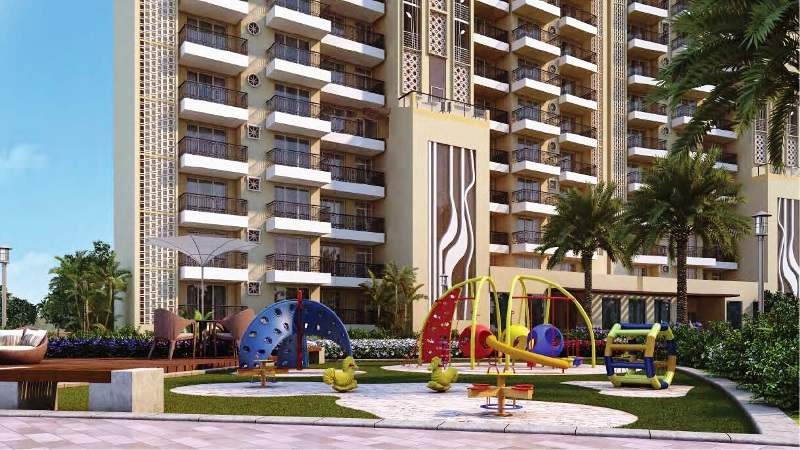
The evolution of the modern homebuyer’s expectations is unmistakable. Today, buyers are looking for more than just a place to sleep at night. They desire a lifestyle, one enriched by convenience, comfort, and a sense of community. Amenities such as swimming pools, fitness centers, children’s play areas, and co-working spaces are now considered essential features in many residential developments. These facilities not only add tangible value to properties but also serve as key differentiators in a competitive real estate market.
Why Amenities Matter: Elevating Everyday Living
For many, the inclusion of amenities translates to a more convenient and enjoyable daily routine. A well-equipped gym within the complex eliminates the need for an external membership, while a community hall or clubhouse offers space for social gatherings and celebrations. Such features cater to the diverse needs of residents, from young professionals seeking work-from-home solutions to families looking for safe spaces for their children to play. These amenities also foster a sense of belonging, encouraging interactions among neighbors and helping to build a supportive community network.
The Importance of Open Spaces: Breathing Life into Urban Living
Alongside amenities, open spaces have emerged as a cornerstone of desirable residential projects. Parks, landscaped gardens, walking trails, and green belts offer much-needed respite from the hustle and bustle of city life. In an age where urban density is on the rise, these green sanctuaries provide residents with opportunities for relaxation, recreation, and connection with nature. Open spaces are not just about aesthetics; they play a critical role in promoting mental and physical well-being, reducing stress, and enhancing the overall quality of life.
Environmental and Health Benefits of Open Spaces
The presence of open spaces in residential real estate projects brings a host of environmental advantages. Trees and plants help improve air quality, regulate urban temperatures, and support biodiversity. For residents, access to green areas encourages physical activity, whether it’s jogging along a trail, practicing yoga in a park, or simply enjoying a morning walk. Such activities have been linked to lower rates of obesity, depression, and lifestyle-related diseases, making open spaces an investment in the long-term health of a community.
Boosting Property Value: The Financial Impact of Amenities and Open Spaces
From an investment standpoint, properties with superior amenities and ample open spaces often command higher prices and attract more buyers. Developers who prioritize these features can expect better returns and faster sales. According to recent studies, homes adjacent to parks or featuring exclusive amenities can see a significant appreciation in value over time. Moreover, these features enhance rental yields, making them attractive options for investors seeking steady income streams.
Community Building and Social Cohesion
Amenities and open spaces do more than boost property values—they are instrumental in building cohesive communities. Shared recreational areas, sports facilities, and event spaces provide residents with platforms to interact, collaborate, and celebrate together. In a world where digital connectivity often supersedes face-to-face interaction, these communal spaces play a crucial role in fostering real relationships and a sense of belonging. This human connection is invaluable, contributing to a safer, friendlier, and more harmonious living environment.
Innovations in Real Estate: The Rise of Wellness-Focused Developments
Recognizing the demand for holistic living, developers are increasingly integrating wellness-centric features into their projects. Rooftop gardens, meditation zones, organic community farms, and nature-inspired playgrounds are becoming standard inclusions. These innovations are designed to enhance both the physical and mental well-being of residents, setting new benchmarks for modern living. In addition, sustainable practices such as rainwater harvesting, solar panels, and eco-friendly building materials are being adopted to create greener, healthier communities.
Trends Shaping the Future of Residential Real Estate
As urbanization continues, the emphasis on amenities and open spaces will only grow stronger. Smart technology is also making its way into residential complexes, with features like Wi-Fi-enabled parks, app-based facility bookings, and smart security systems. These advancements not only improve convenience but also appeal to tech-savvy homebuyers seeking a connected lifestyle. The future of residential real estate lies in integrated, sustainable, and wellness-oriented communities that prioritize both individual and collective well-being.
How Homebuyers Can Make Informed Choices
For those looking to invest in a new home, evaluating the quality and variety of amenities and open spaces should be a top priority. Prospective buyers are encouraged to visit projects, interact with current residents, and research the reputation of developers. Key considerations include the accessibility and maintenance of facilities, the presence of green zones, and the overall layout of the development. By making informed choices, homebuyers can secure not just a property, but a fulfilling and sustainable lifestyle for themselves and their families.
Conclusion: Redefining Residential Living
The role of amenities and open spaces in residential real estate cannot be overstated. They are no longer mere add-ons but have become fundamental to the appeal, functionality, and value of modern homes. As the industry continues to evolve, these features will remain at the heart of what makes a residential community truly desirable. For developers, investors, and homeowners alike, prioritizing amenities and open spaces is not just a trend, but a blueprint for better, healthier, and more connected living in the years to come.