Zero brokerage — always free
Buy Property in Pune —Zero Brokerage
Verified new launch & RERA-registered apartments, villas & plots in Pune. Post your property free in 5 minutes.
100% Free ListingNo charges, ever
Zero BrokerageOwner direct deals
10,000+ PropertiesAcross 50+ cities
Verified OwnersReal people, real listings
Properties in Pune — New Launch, Verified & RERA
Buy apartments, villas & plots in Pune — zero brokerage
Recently Added Properties for sale
Best Properties Across Pune

For Property Owners
List your property for free in 3 easy steps
While others charge ₹5,000–₹25,000 per listing — we charge nothing.
Step 01
Post Your Property
Fill in basic details — location, price, type. Takes under 5 minutes.
Step 02
Add Photos
Upload photos to get 10× more enquiries. Good photos = faster deals.
Step 03
Get Buyer Calls
Verified buyers contact you directly. No broker in between. Ever.
Hot Selling Projects in Pune
Featured Projects
Pune Projects in High Demand
Most explored projects
Top Real Estate Builders in Pune
Verified projects from India's leading developers



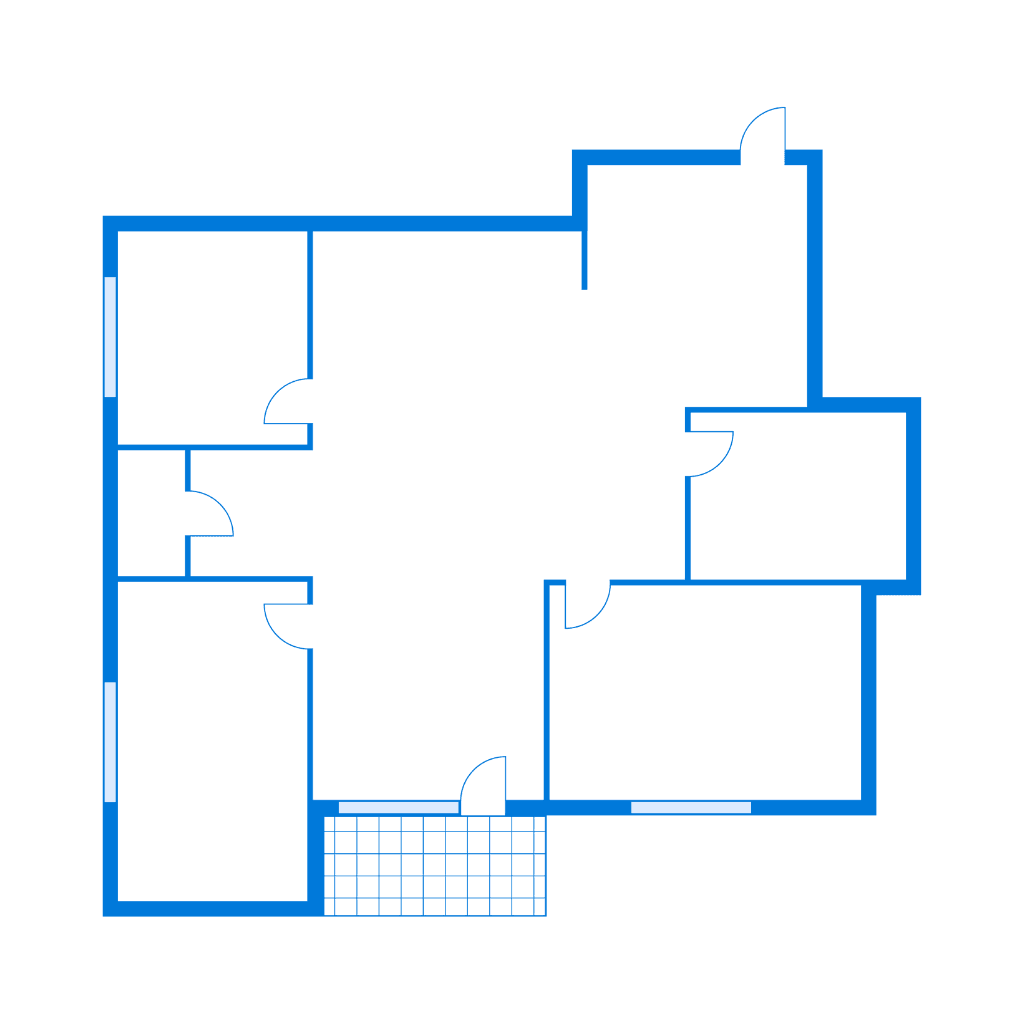
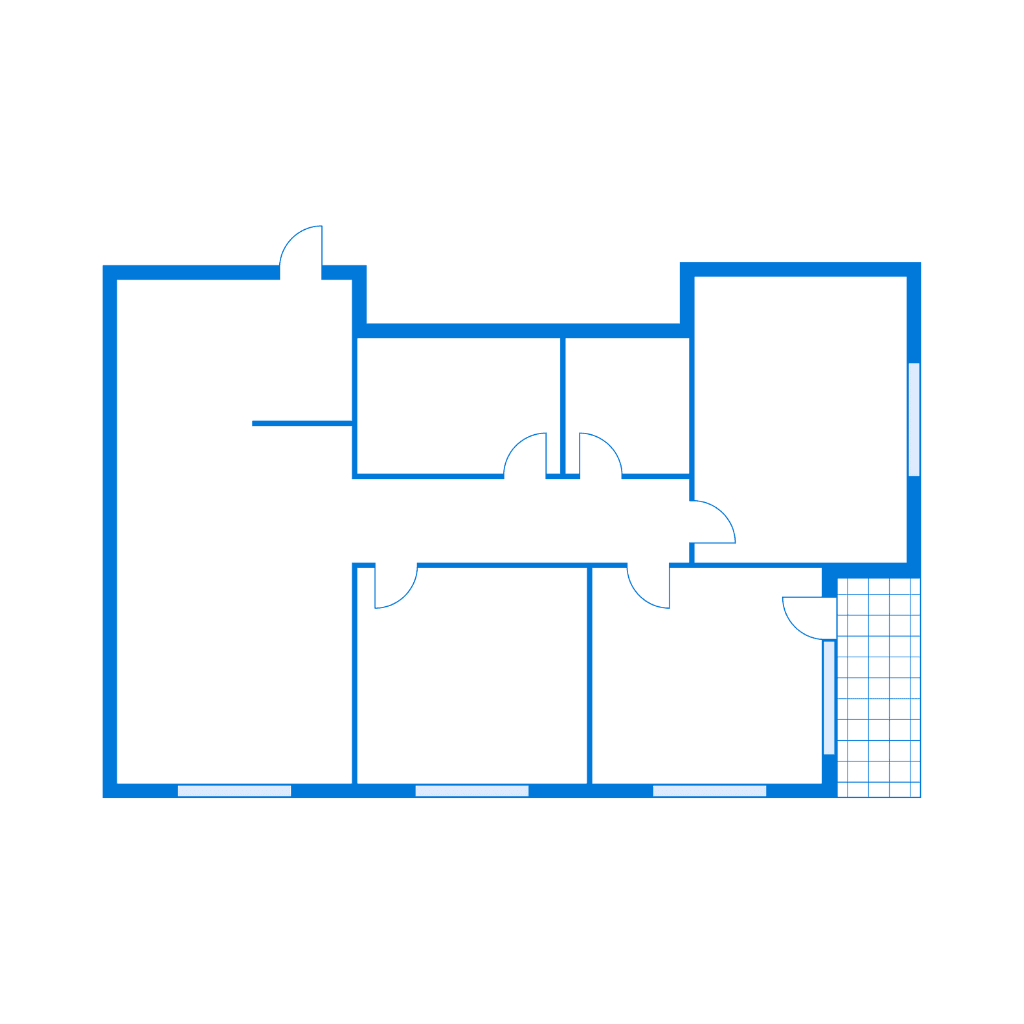
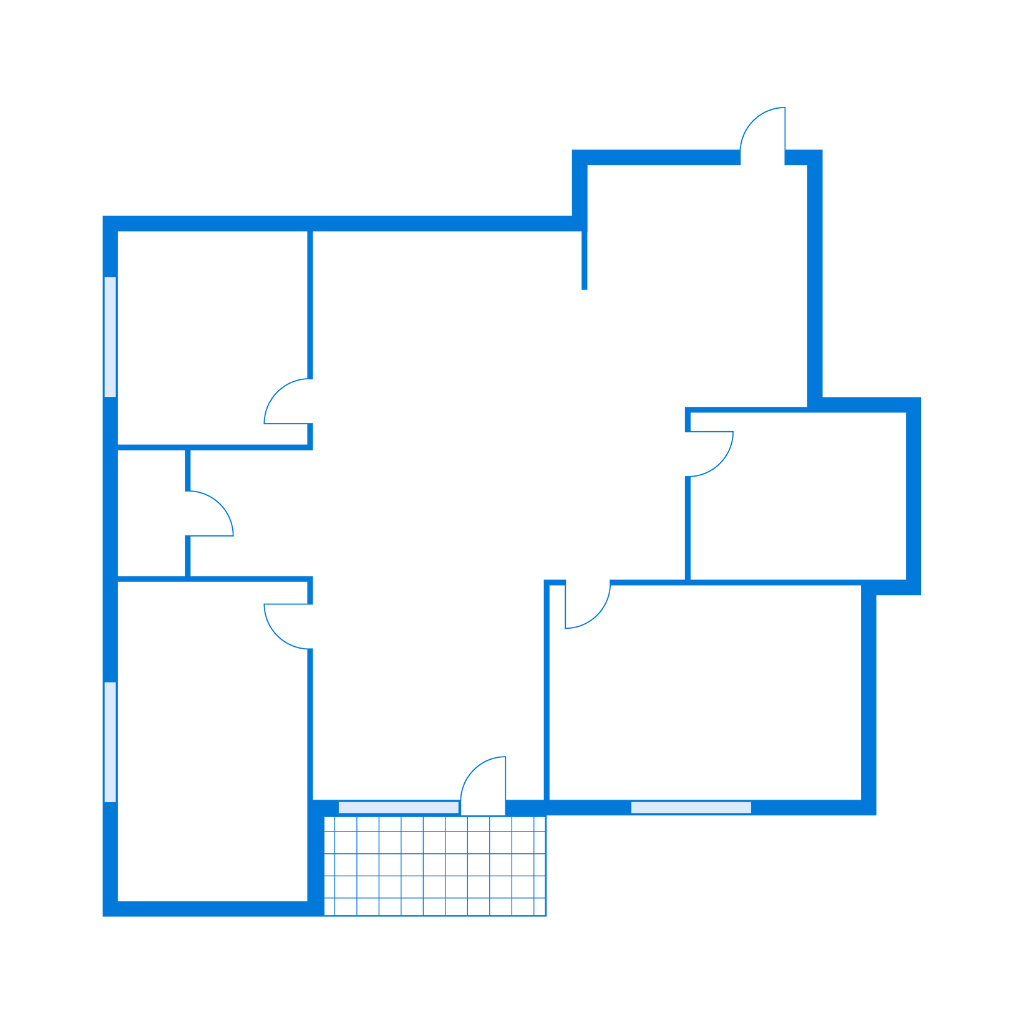
Browse Properties by BHK — 1, 2, 3 & 4 BHK Flats & Villas
Apartments, Villas, Plots & More in Pune
Browse every property type — free, zero brokerage

Browse Properties by Budget — Under ₹50L to ₹2Cr+



Real Estate Blog — Home Buying Tips & Market Trends
Expert insights for smarter property decisions



Pune Real Estate Market — At a Glance
Prices, growth corridors & top builders in Pune
Pune combines Bangalore-grade IT employment with a markedly lower cost of entry — as of 2026, the Hinjewadi–Wakad–Baner west corridor trades at Rs 8,000–15,000 per sq ft and the fast-rising Kharadi–Hadapsar east belt at Rs 7,000–12,000, while Talegaon, Wagholi and Ravet keep sub-Rs 7,500 options alive for first-time buyers.
Kolte Patil, Godrej, VTP, Gera and Pride Purple anchor the new-launch pipeline, and a five-lakh-strong student population keeps rental yields above 3.5% around Kothrud, Karve Road and the university belt. Pune Metro's expanding lines are steadily re-rating localities along their routes.
Frequently Asked Questions — Properties in Pune
Everything you need to know about buying property in Pune
What is the average property price in Pune?
As of 2026, average property prices in Pune range from Rs 6,000 to Rs 14,000 per sq ft. IT corridors like Hinjewadi, Wakad, and Baner range from Rs 8,000–14,000 per sq ft. Eastern suburbs like Kharadi and Hadapsar range from Rs 7,000–12,000. Affordable areas like Talegaon, Wagholi, and Undri range from Rs 4,500–7,500 per sq ft.
Which localities in Pune are best for buying a flat?
Top localities in Pune for buying a flat include Hinjewadi (IT hub proximity), Wakad and Baner (Western corridor), Kharadi and Hadapsar (Eastern IT corridor), Kothrud (established and premium), and Balewadi (sports infrastructure and connectivity). Affordable choices include Wagholi, Undri, and Ambegaon.
Are there good rental yields in Pune?
Yes, as of 2026 Pune offers consistent rental yields of 3–4% per annum in most localities. Hinjewadi, Kothrud, Karve Road, and Wakad have particularly strong rental demand from IT professionals and students. Properties near Pune University, COEP, and NIBM campus areas offer above-average yields due to student housing demand.
Which builders have the best projects in Pune?
The top RERA-registered developers in Pune in 2026 include Kolte Patil (Life Republic township in Hinjewadi), Godrej Properties (projects across the Mahalunge–Baner belt), VTP Realty, Gera Developments, Rohan Builders, Pride Purple Group (Pride World City township in Charholi) and Kumar Properties. All MahaRERA-registered projects can be verified at maharerait.maharashtra.gov.in using the RERA ID displayed on every Housystan listing.
How is Pune Metro affecting property prices?
Pune Metro's operational corridors — Vanaz–Ramwadi and PCMC–Swargate — already serve Kothrud, Shivajinagar and the PCMC belt, and Line 3 (Hinjewadi–Shivajinagar), built under a public-private partnership, will directly link the Hinjewadi IT hub to the city centre. As of 2026, metro-adjacent projects in Wakad, Balewadi and Kharadi command a 5–10% premium over comparable non-metro locations, and that gap is expected to widen as the network expands.
Buy Properties in India's Top Cities
Bangalore, Hyderabad, Mumbai, Pune, Chennai & more