Urban Gardening in Indian Apartments
Read latest blogs and articles from Housystan
The Information mentioned here was last updated on:
1/4/2026Urban Gardening in Indian Apartments: A Green Revolution in City Living
Introduction: The Rise of Urban Gardening
With rapid urbanization and shrinking green spaces, city dwellers in India are turning towards urban gardening as a refreshing solution. Urban gardening in Indian apartments isn’t just a trend; it’s a lifestyle choice that blends sustainable living, self-sufficiency, and environmental consciousness. As more high-rise buildings dominate skylines, the urge to reconnect with nature has sparked a green revolution right inside our homes. This article delves into the ins and outs of urban gardening in Indian apartments, exploring practical methods, benefits, and tips to foster your personal oasis amid concrete jungles.
- Verified Tenants/Buyers
- Unlimited Property Listing
- Zero subscription/charges fee
Why Urban Gardening Matters in Indian Cities
India’s cities are grappling with pollution, rising temperatures, and dwindling green zones. Urban gardening offers a promising antidote by purifying the air, reducing the urban heat island effect, and promoting mental well-being. For many, cultivating a small garden on their balcony or terrace is not just about aesthetics—it's about taking a stand for sustainability. Growing one’s own herbs, vegetables, and flowers helps reduce food miles, ensures access to chemical-free produce, and instills a sense of accomplishment. Urban gardening also nurtures community spirit as neighbors bond over seeds, tools, and shared experiences.
Choosing the Right Space: Balconies, Windowsills, and Rooftops
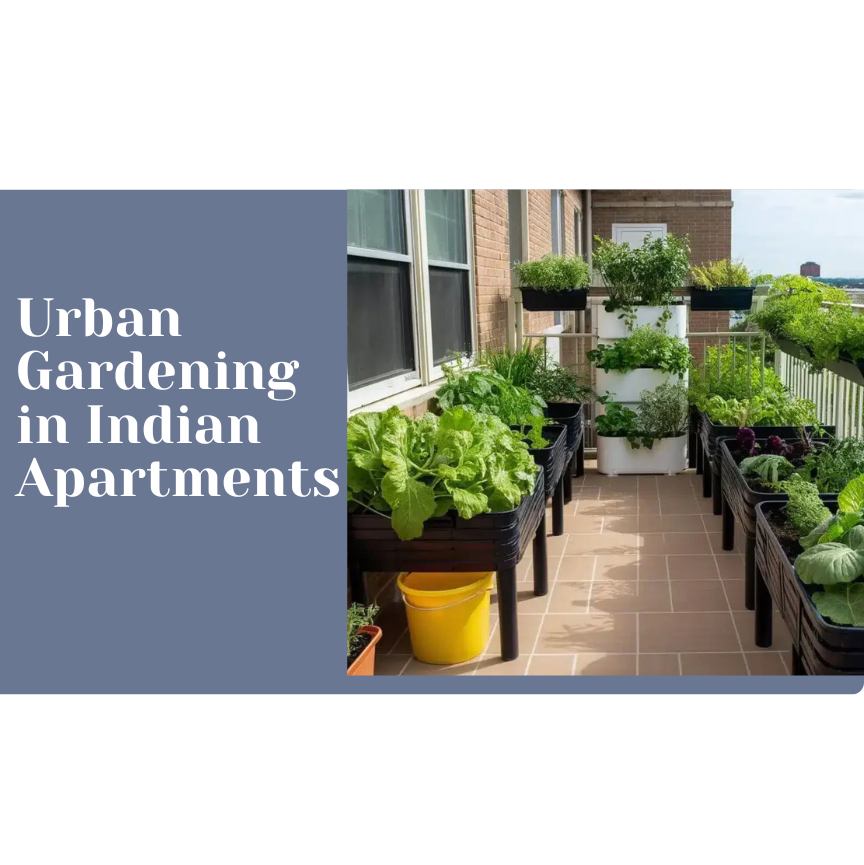
The biggest challenge in Indian apartments is space. Yet, with a bit of creativity, even the tiniest balconies or windowsills can be transformed into lush green corners. Assess the sunlight and wind exposure your chosen spot receives. South-facing balconies get the most sun, ideal for vegetables and flowering plants, while shaded corners can house ferns and indoor plants. Rooftop gardens, though requiring permissions and waterproofing, can accommodate larger setups, including fruit trees and vertical gardens. The key is to start small, experiment, and gradually expand your green space.
Essential Tools and Materials for Your Apartment Garden
You don’t need a fortune to begin urban gardening. Basic tools like hand trowels, pruners, and watering cans are sufficient for beginners. Recycled containers—old buckets, plastic bottles, or broken mugs—make excellent planters. Invest in good-quality potting soil, organic compost, and seeds or saplings suited to your local climate. For those with limited mobility or time, self-watering pots and vertical planters can simplify maintenance. Don’t forget to keep natural pest repellents handy, such as neem oil or garlic spray, to protect your plants without harmful chemicals.
Popular Plants for Indian Apartments
When it comes to selecting plants, opt for varieties that thrive in containers and require minimal attention. Herbs like mint, coriander, basil, and curry leaves are staples in Indian kitchens and flourish in small pots. Leafy greens such as spinach, amaranth, and lettuce can be harvested multiple times from the same plant. For those seeking color, marigolds, petunias, and bougainvillea brighten up balconies with vibrant blooms. Fruit lovers can try dwarf varieties of guava, lemon, or pomegranate. Succulents and air-purifying plants like aloe vera, snake plant, and money plant are also popular for their low maintenance needs.
Soil, Water, and Light: The Trifecta of Healthy Urban Gardens
Healthy plants depend on the right combination of soil, water, and sunlight. Use a lightweight, well-draining potting mix enriched with organic compost to nourish your plants. Overwatering is a common mistake in apartment gardening—ensure pots have drainage holes to prevent root rot. Most common apartment plants require 4-6 hours of sunlight daily, so rotate pots if needed to maximize exposure. During harsh summers, shield delicate plants with shade nets or move them indoors. Regularly check soil moisture with your finger and water only when the top inch feels dry.
Vertical and Hydroponic Gardening: Maximizing Limited Space
Space constraints have fueled innovation in urban gardening. Vertical gardens—where plants are grown on walls or shelves—help maximize available area and create stunning green backdrops. Use wall-mounted planters, recycled PET bottles, or hanging baskets for herbs and ornamental plants. Hydroponics, the technique of growing plants without soil, is gaining traction in Indian metros. Kits are now available that fit snugly in apartments, using nutrient-rich water to grow leafy greens, tomatoes, and even strawberries. Both methods offer high yields, conserve water, and keep your home clutter-free.
Eco-Friendly Practices for Sustainable Urban Gardening
Urban gardeners in India are increasingly adopting eco-friendly methods. Composting kitchen waste into organic fertilizer reduces landfill burden and enriches soil. Rainwater harvesting in buckets or barrels minimizes water bills and supports irrigation during dry spells. Pest management can be done naturally by introducing beneficial insects like ladybugs, companion planting, and using homemade sprays. Swapping seeds and cuttings with neighbors encourages biodiversity and community engagement. The focus remains on minimal resource use, recycling, and sustainable growth.
The Mental and Social Benefits of Urban Gardening
Beyond physical health, urban gardening offers profound mental and social perks. Tending to plants provides a therapeutic escape from daily stress, fostering mindfulness and patience. Children learn valuable lessons about nature, responsibility, and healthy eating. For the elderly, gardening is a source of gentle exercise and purpose. Many apartment complexes now host gardening clubs, potlucks, and workshops, forging friendships and a sense of belonging among residents. These green sanctuaries nurture not just plants, but also the spirit of community living.
Overcoming Challenges: Common Issues and Solutions
No journey is without obstacles. Apartment gardeners often face pests, erratic weather, and space limitations. Consistent observation and prompt action—removing dead leaves, checking for pests, and rotating crops—keep issues in check. If direct sunlight is scarce, opt for shade-tolerant plants or invest in LED grow lights. Community efforts, such as shared terrace gardens, can help overcome individual space constraints. With persistence and creativity, every problem can turn into a learning experience, making the rewards even sweeter.
Conclusion: Greening Indian Cities, One Apartment at a Time
Urban gardening in Indian apartments is more than a hobby—it’s a movement towards healthier, greener, and more resilient cities. Whether you have a sprawling terrace or a tiny windowsill, every plant you nurture contributes to cleaner air, richer biodiversity, and personal well-being. As the movement grows, Indian cities are slowly but surely reclaiming their green heritage, one apartment garden at a time. Embrace the joy of growing, and let your home be part of this verdant transformation.