What Is Real Estate Appraisal and Valuation?
Read latest blogs and articles from Housystan
The Information mentioned here was last updated on:
1/4/2026What Is Real Estate Appraisal and Valuation? A Comprehensive Guide
Buying or selling a property is a significant financial decision that often requires careful assessment of its true worth. This is where real estate appraisal and valuation come into play. These two processes are fundamental to the real estate industry, ensuring that all parties involved in a transaction have a clear understanding of a property’s value. But what exactly do these terms mean, and how do they impact buyers, sellers, investors, and lenders? In this in-depth article, we’ll explore the definitions, methods, and importance of real estate appraisal and valuation, offering insight into how these practices shape the property market.
Understanding Real Estate Appraisal
- Verified Tenants/Buyers
- Unlimited Property Listing
- Zero subscription/charges fee
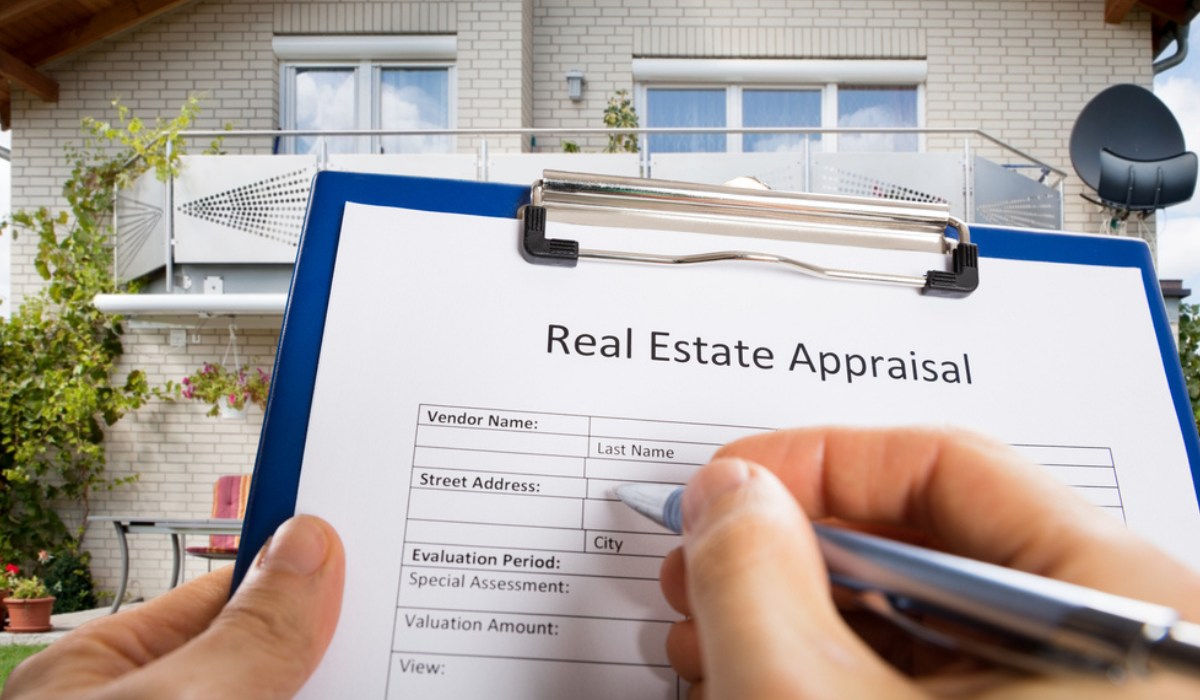
At its core, a real estate appraisal is a professional, unbiased estimate of a property’s market value. Licensed appraisers conduct these evaluations, relying on their training, experience, and industry standards. Appraisals are essential in numerous scenarios: when buying or selling a home, refinancing a mortgage, settling an estate, or securing a loan. The primary goal is to determine what a willing buyer would pay and a willing seller would accept, under normal conditions, for a specific property at a certain time.
The Role of the Real Estate Appraiser
Real estate appraisers are impartial third parties. They are tasked with inspecting properties, analyzing market trends, and using established methodologies to reach an objective conclusion. Their assessments help to protect the interests of all stakeholders, including buyers, sellers, investors, and financial institutions. In most jurisdictions, appraisers must be certified or licensed, adhering to strict ethical standards and guidelines, such as those outlined by the Uniform Standards of Professional Appraisal Practice (USPAP).
What Is Real Estate Valuation?
While often used interchangeably with “appraisal,” real estate valuation is a broader term. Valuation encompasses the entire process of determining a property’s worth, whether through formal appraisals, automated valuation models, or comparative market analyses. In essence, valuation is the science and art of estimating the monetary value of a real estate asset, taking into account physical, economic, and legal factors.
Common Methods of Real Estate Valuation
There are several widely recognized methods for valuing real estate, each suited to different property types and purposes:
1. Sales Comparison Approach
This method compares the subject property with recently sold properties of similar characteristics in the same area. Adjustments are made for differences such as size, condition, location, and amenities. The sales comparison approach is most commonly used for residential properties and is favored for its reliance on actual market data.
2. Cost Approach
Here, the appraiser estimates the cost to rebuild the property from scratch, subtracts any depreciation, and adds the value of the underlying land. This approach is useful for new constructions, unique properties, or those with few comparable sales in the area.
3. Income Approach
Mainly applied to income-generating properties like apartment buildings or commercial real estate, the income approach evaluates what a property is worth based on the income it produces. The appraiser calculates the potential rental income, subtracts expenses, and applies a capitalization rate to arrive at the value.
Key Factors Influencing Property Value
Multiple factors contribute to a property’s appraised or valued worth. Some of the most significant include:
Why Appraisal and Valuation Matter
Accurate real estate appraisal and valuation are critical for several reasons. Lenders rely on them to determine loan amounts and manage risk. Buyers and sellers use appraisals to negotiate prices and make informed decisions. Investors need reliable valuations to assess returns and make smart acquisitions. Even tax authorities use property values to determine property tax assessments. Inaccurate or biased valuations can lead to overpaying, underpricing, or failed deals, making the integrity of the process vital.
The Appraisal Process: Step by Step
The appraisal process typically follows a structured sequence:
Challenges and Considerations in Appraisal and Valuation
Despite the rigor of the process, real estate appraisal and valuation are not without challenges. Market volatility, limited comparable sales, and unique property features can complicate assessments. Subjectivity, despite best efforts, can sometimes influence value conclusions. This is why transparency, experience, and adherence to professional standards are essential qualities in any appraiser or valuation expert.
The Evolving Landscape: Technology and Automated Valuations
With advancements in technology, automated valuation models (AVMs) are gaining popularity, especially for preliminary estimates. These algorithms use large datasets and machine learning to predict values quickly and efficiently. However, AVMs can’t replace the nuanced judgment of a trained appraiser, particularly for complex or high-value properties.
Conclusion: The Value of Accurate Real Estate Appraisal and Valuation
In the dynamic world of real estate, understanding appraisal and valuation is crucial for making confident, informed decisions. Whether you’re a homeowner, investor, or lender, the insights provided by these processes safeguard your interests and ensure fairness in every transaction. While technology continues to enhance the speed and accessibility of valuations, the expertise of certified appraisers remains indispensable. Ultimately, real estate appraisal and valuation form the backbone of a healthy, transparent, and equitable property market.