Why senior living projects are growing in India
Read latest blogs and articles from Housystan
The Information mentioned here was last updated on:
1/4/2026Why Senior Living Projects Are Gaining Momentum in India
Introduction
India’s demographic landscape is undergoing a significant transformation, with the elderly population expanding at an unprecedented rate. This shift has led to a surge in interest and investment in senior living projects across the country. The concept, once considered niche, is now gaining mainstream traction due to evolving family structures, increased awareness about retirement planning, and a growing aspiration among seniors for independent, dignified living. This article explores the key drivers behind the rise of senior living communities in India, the challenges faced, and the future outlook for this rapidly developing sector.
- Verified Tenants/Buyers
- Unlimited Property Listing
- Zero subscription/charges fee
Changing Demographics: The Silver Tsunami
India is experiencing a demographic revolution. According to the 2021 Census projection, about 10% of the population is above 60 years old—a figure expected to double by 2050. With increased life expectancy and lower fertility rates, the elderly segment is growing faster than ever before. This “silver tsunami” is creating new demands on social infrastructure, housing, and healthcare systems, prompting both private developers and policymakers to rethink how the elderly are supported.
Shifting Family Structures and Urbanization
Traditionally, Indian families followed a joint family system, where elders were cared for by younger generations. However, urbanization and globalization have triggered massive migration to cities, resulting in nuclear families and leaving seniors isolated. The lack of familial support increases the risk of loneliness and neglect among the elderly, making professionally managed senior living projects an appealing alternative. These communities not only address the need for companionship but also provide a sense of belonging and security.
Growing Awareness and Acceptance
There has been a significant shift in societal attitudes towards senior living communities. Previously, moving into such facilities was seen as a last resort or a sign of abandonment. Today, increasing awareness about the benefits—such as improved healthcare access, organized social activities, and tailored amenities—has made them a preferred choice for many seniors. Educational campaigns and positive word-of-mouth have further fueled acceptance, making the sector more visible and respected.
Financial Independence and Changing Aspirations
Another crucial factor driving the growth of senior living projects in India is the rise in financial independence among the elderly. More seniors have access to pensions, retirement savings, and investment returns, empowering them to make informed decisions about their post-retirement lives. Many seniors now aspire to live actively, travel, pursue hobbies, and maintain social connections, all of which are facilitated by well-designed senior living communities.
Healthcare Needs and Specialized Services
Healthcare is a top priority for seniors and their families. Senior living projects are uniquely positioned to offer on-site medical facilities, emergency response systems, and regular health check-ups. Some communities also provide specialized care for chronic illnesses such as diabetes, hypertension, and dementia. The integration of healthcare services within these residential projects provides peace of mind to both residents and their families.
Modern Amenities and Lifestyle Opportunities
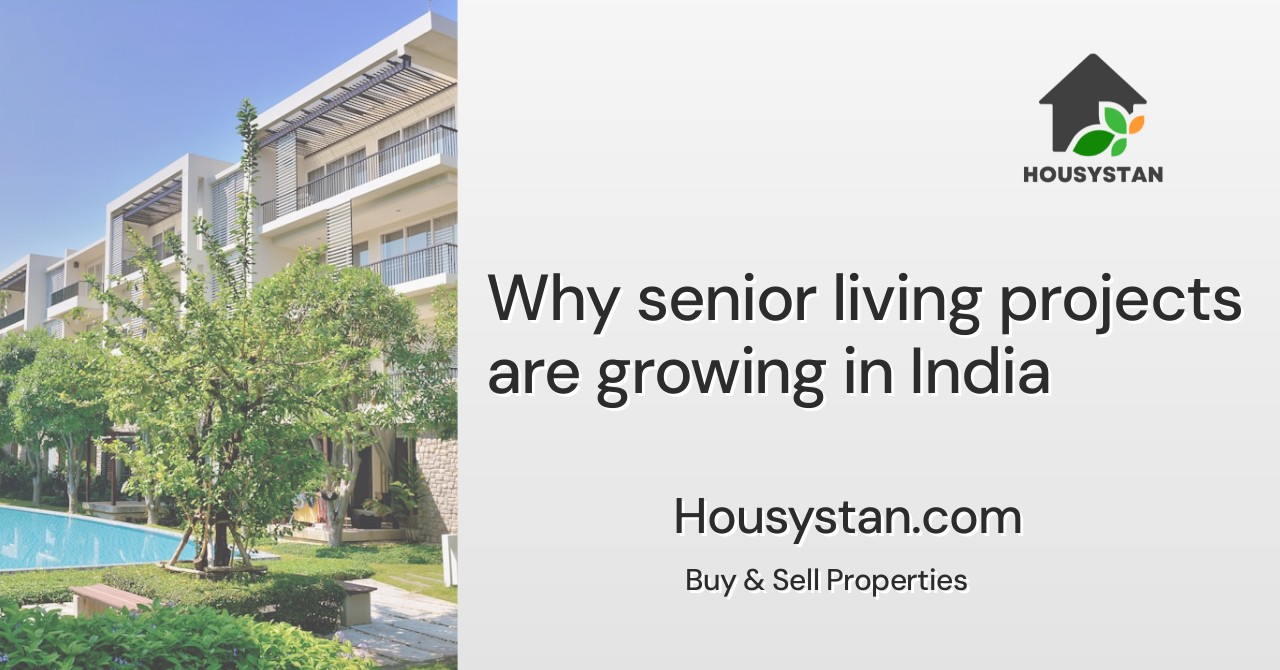
Senior living communities in India are no longer basic, utilitarian shelters. Today’s developments offer a wide array of amenities, including fitness centers, libraries, parks, swimming pools, and wellness therapies. Social engagement is encouraged through cultural events, clubs, and hobby classes. By creating vibrant, inclusive environments, these projects promote active aging and enhance the overall quality of life for seniors.
Regulatory Support and Policy Initiatives
The Indian government has recognized the need to support its aging population. Policies such as the Maintenance and Welfare of Parents and Senior Citizens Act, and the push for age-friendly urban planning, have created a more enabling environment for senior living projects. Tax incentives, subsidies, and streamlined approval processes are further encouraging real estate developers to enter this sector and innovate.
Investment Opportunities and Market Growth
The senior living market in India is attracting significant investment from both domestic and international players. Real estate giants and specialized companies are launching new projects in metropolitan cities like Bengaluru, Pune, Chennai, and Hyderabad. The sector is projected to grow at a compound annual growth rate (CAGR) of over 15% in the next decade, making it an attractive proposition for long-term investors, developers, and service providers.
Challenges Faced by the Sector
Despite the positive outlook, the senior living industry in India faces several challenges. Cultural perceptions, lack of standardized regulations, and affordability remain major hurdles. Many seniors in rural areas are still unaware of these options, and there is a gap in supply versus demand in Tier II and Tier III cities. Moreover, ensuring consistent quality of services and adequate healthcare support across all projects is a continuing concern.
Innovations and Future Trends
To address these challenges, developers are adopting innovative approaches. Technology is being leveraged for remote health monitoring, emergency assistance, and virtual social interactions. Green building concepts, sustainable materials, and inclusive designs are becoming standard. The future will likely see more integrated communities, where intergenerational living and lifelong learning opportunities coexist, enhancing the appeal and viability of senior living projects.
Conclusion: A New Chapter for Senior Living in India
The surge in senior living projects reflects a broader societal transformation in India. As the country grapples with an aging population, these communities offer a promising solution that combines care, independence, and dignity. With sustained investment, supportive policies, and a growing focus on quality, the sector is poised for robust growth. Senior living projects are not just a real estate trend—they represent a vital shift towards a more inclusive and compassionate society, ensuring that India’s elders can age gracefully and vibrantly.