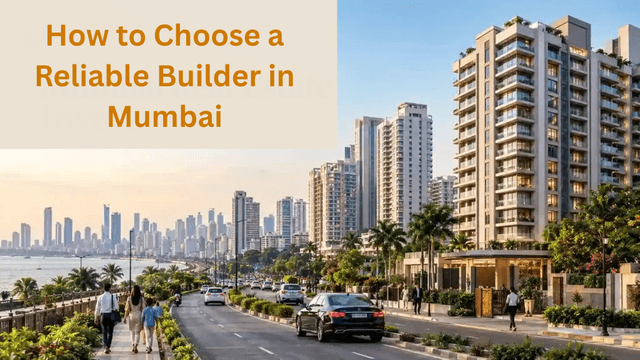
Buying a home in Mumbai is one of the biggest financial decisions for most families. With property prices continuing to remain high across several parts of the city, home buyers often spend years saving money before investing in an apartment. While factors such as location, property size, amenities and connectivity receive considerable attention, choosing the right builder is equally important. A reliable builder can make the home-buying process smooth, ensure timely possession and deliver a property that matches the promised quality. On the other hand, choosing the wrong developer can lead to construction delays, unexpected expenses, legal complications and unnecessary stress.
Mumbai's real estate market offers a wide range of residential projects, from affordable apartments in developing suburbs to premium homes in established neighbourhoods. Several well-known developers operate in the city, while smaller builders also have projects across different locations. With so many choices available, buyers must look beyond advertisements, attractive offers and sample flats before making a decision.
Understanding how to choose a reliable builder in Mumbai can help buyers protect their investment and make a more informed property purchase.
1. Check the Builder's Market Reputation
The first step towards selecting a reliable builder in Mumbai is understanding the developer's reputation. A builder's track record often provides useful information about the way the company handles construction, customer relationships, project delivery and after-sales support.
Buyers should research how long the developer has been operating in the real estate market and how many residential projects it has completed. A company with several successfully delivered projects may offer greater confidence than a developer with limited experience.
However, the number of completed projects should not be the only deciding factor. Buyers must also check whether earlier projects were delivered as promised and whether residents are satisfied with the construction quality and facilities.
Speaking to people who already live in the builder's completed projects can provide valuable insights. Existing residents may share their experiences regarding maintenance, water supply, building quality, parking facilities and the developer's response to complaints.
Online reviews and property forums can also help, but buyers should avoid depending entirely on internet ratings. A balanced assessment based on multiple sources is more useful.
2. Verify the Builder's MahaRERA Registration
One of the most important checks when buying property in Mumbai is verifying the project's registration with the Maharashtra Real Estate Regulatory Authority, commonly known as MahaRERA.
RERA was introduced to improve transparency and protect the interests of home buyers. It requires eligible real estate projects to be registered before developers advertise, market or sell them.
Buyers can visit the official MahaRERA website and search for the project using its name, registration number or developer details. The website provides important information, including:
- Project registration details and current status.
- Promised completion and possession dates.
- Approved project plans and other available documents.
- Details of the developer and project professionals.
- Information about complaints and regulatory orders, where available.
- Updates submitted by the developer about construction progress.
It is important to understand that a builder's registration alone does not guarantee that the project will be completed without problems. Buyers should examine the available records carefully and check whether the developer has followed the required rules.
They should also confirm that the MahaRERA registration number mentioned in advertisements and booking documents matches the official records.
3. Examine the Builder's Previous Projects
A developer's completed projects can reveal a great deal about its construction standards and ability to deliver what it promises. Before booking an apartment, buyers should visit at least one or two residential projects developed by the same builder.
A physical visit allows buyers to examine the actual condition of the building rather than relying on brochures or sample apartments.
Some important aspects to check include:
- Quality of walls, flooring, doors and windows.
- Condition of lifts and common areas.
- Cleanliness and maintenance of the building.
- Availability of promised amenities.
- Quality of parking arrangements.
- Water supply and drainage facilities.
- Condition of the building's exterior and shared spaces.
Buyers should also speak with residents or society representatives about their experience with the developer. Questions about construction quality, leakage problems, repair work and maintenance responsibilities can help identify issues that may not be visible during a short property visit.
For example, a building may look attractive when viewed from outside, but residents may be dealing with repeated plumbing problems or poor-quality fittings. Such information can help buyers make a more practical decision.
4. Check the Builder's Financial Stability
Financial stability is another important factor when choosing a reliable builder in Mumbai. Real estate projects require substantial investment, and developers must manage construction expenses, labour payments, material purchases and other financial commitments.
A builder facing financial difficulties may struggle to maintain construction speed or complete the project within the promised period.
Although home buyers may not have access to every financial detail of a private developer, they can look for certain warning signs. These include repeated project delays, unfinished developments, frequent changes in possession dates and reports of disputes with contractors or suppliers.
Buyers should also examine whether the developer has a history of abandoning projects or changing project plans without proper communication.
For larger developments, checking the company's financial background and available public records can provide additional clarity. If a project is being developed through a separate company, buyers should understand which legal entity is responsible for construction and delivery.
A consultation with a property lawyer or financial professional can help buyers assess complicated cases before making a financial commitment.
5. Verify Land Ownership and Legal Approvals
A reliable builder should have the necessary legal rights and approvals to develop the property. Buyers must ensure that the land on which the project is being constructed has a clear ownership record and that the developer has the required permissions.
This step is particularly important in Mumbai, where property ownership and land development can involve multiple parties, redevelopment arrangements and different types of land records.
Some important documents to examine include:
- Land title documents.
- Property ownership records.
- Encumbrance details, where applicable.
- Development agreement, if the builder is developing land owned by another party.
- Commencement Certificate.
- Approved building plans.
- Intimation of Disapproval and other applicable permissions.
- Environmental and other statutory clearances, where required.
The exact approvals required may differ depending on the project's location, size and nature.
For redevelopment projects, buyers should pay special attention to the developer's agreement with the existing housing society or landowner. They should also verify whether the builder has obtained the permissions needed to carry out the proposed construction.
Instead of relying only on documents provided by the sales team, buyers should ask an independent property lawyer to examine the paperwork. This can help identify ownership disputes, missing permissions or other legal concerns before booking.
6. Understand the Builder's Construction Quality
Construction quality has a direct impact on the comfort, safety and long-term value of a home. An apartment may appear attractive during the initial visit, but poor construction can create expensive problems after possession.
Buyers should understand the materials and fittings being used in the project. They should also check whether the builder has clearly explained the specifications mentioned in the agreement.
Important areas to examine include flooring, electrical fittings, bathroom fixtures, plumbing arrangements, doors, windows and waterproofing.
For under-construction properties, buyers can request a site visit to understand the progress and general construction practices. However, they should follow the developer's safety instructions and avoid entering restricted construction areas.
It is also useful to check the quality of completed projects by the same builder. Repeated complaints about seepage, wall cracks, poor finishing or plumbing issues may indicate problems that deserve closer attention.
Buyers should not assume that expensive-looking advertisements or premium pricing automatically mean better construction quality.
7. Compare the Promised Possession Date with the Actual Track Record
Possession delays are among the biggest concerns for Mumbai home buyers. A delayed apartment can create financial pressure, particularly for people who are paying rent and home loan EMIs at the same time.
Before choosing a builder, buyers should examine the possession history of the developer's earlier projects.
Find out whether previous developments were completed within their promised timelines. If there were delays, understand the reasons behind them and how the company communicated with customers.
The possession date mentioned in the builder's advertisements should not be treated as the only reliable timeline. Buyers must check the date recorded in the project's MahaRERA registration and carefully examine the possession clause in the agreement for sale.
It is equally important to understand the difference between construction completion and legal possession. A building may appear nearly finished, but buyers should ensure that the required approvals, including the Occupancy Certificate where applicable, are in place before taking possession.
A builder who communicates openly about project progress and provides regular updates is generally easier to deal with than one who avoids answering questions about delays.
8. Read Customer Reviews and Speak to Existing Buyers
Customer feedback can help buyers understand how a developer treats people after receiving their booking amount.
Many builders have dedicated sales teams that provide regular assistance before booking. However, the quality of customer service may change after the agreement is signed.
This is why speaking to existing customers is important.
Buyers can ask residents of completed projects about their experience with the developer. Useful questions include:
- Was the apartment delivered within the promised timeline?
- Was the final property similar to the original specifications?
- Did the builder address construction-related complaints?
- Were there unexpected charges during possession?
- Was the handover process organised?
- Did the developer provide the promised facilities?
Online reviews on property portals and consumer forums can also help identify common complaints. However, individual reviews should be treated carefully because some may be based on personal disagreements or incomplete information.
The objective should be to identify repeated patterns rather than form an opinion based on one negative or positive comment.
9. Understand the Complete Cost of the Apartment
An attractive property price can sometimes hide additional expenses. Buyers should carefully examine the builder's cost sheet to understand the total amount payable.
Apart from the basic apartment price, developers may charge for parking, floor rise, clubhouse membership, amenities, infrastructure and other facilities, depending on the project and applicable rules.
Buyers should also account for government charges such as stamp duty and registration fees, along with applicable GST on under-construction properties.
Before booking, request a detailed cost breakdown from the builder. Every charge should be clearly explained, and buyers should avoid making payments based on verbal promises.
It is also important to check whether the builder has mentioned any additional charges that may become payable before possession.
A transparent builder should be willing to explain the pricing structure and provide written details of the payment schedule.
Comparing the complete cost of apartments across different projects can help buyers understand whether the developer is offering genuine value for money.
10. Examine the Sale Agreement Carefully
The sale agreement is one of the most important documents in a property transaction. It records the terms and conditions agreed upon by the builder and the buyer.
Before signing, buyers should carefully read every clause and understand their responsibilities and rights.
Some important points to examine include:
- Total apartment price and payment schedule.
- Carpet area of the apartment.
- Possession date.
- Details of the apartment and parking arrangement.
- Specifications and promised amenities.
- Rules regarding changes to the building plan.
- Conditions relating to delayed possession.
- Cancellation and refund terms.
- Maintenance charges and other payments.
- Responsibilities of the builder during handover.
Buyers should pay particular attention to clauses that allow changes in project specifications or additional charges. Any promise made by the sales representative should be included in the written agreement wherever applicable.
If a clause is unclear, it is better to seek legal advice instead of signing the document in a hurry.
11. Evaluate the Builder's Communication and Transparency
A reliable builder should communicate clearly throughout the home-buying process. From the first enquiry to the final possession, buyers should receive accurate information about pricing, construction progress, approvals and project timelines.
The developer's sales representatives should be able to answer basic questions without making unrealistic promises.
Buyers should be cautious if the builder repeatedly avoids sharing documents, pressures them to make immediate payments or offers special discounts that are available only for a very limited period.
Another important sign is the way the company handles complaints. A developer with a proper customer support system and a clear process for resolving issues can make the buying experience more comfortable.
Regular project updates, written communication and timely responses help build trust between the developer and the buyer.
12. Check Whether the Builder Delivers Promised Amenities
Amenities are an important part of modern residential projects in Mumbai. Depending on the property category, developers may advertise facilities such as gyms, swimming pools, landscaped gardens, children's play areas, clubhouses, security systems and indoor recreation spaces.
However, buyers should not select a builder based only on the number of amenities mentioned in advertisements.
They should verify whether the facilities are included in the approved project plans and the agreement for sale. It is also important to understand whether the amenities will be available at possession or developed in later phases.
For large residential townships, buyers should check the proposed completion schedule for different buildings and shared facilities.
They should also consider the future maintenance costs of these amenities. A project with several premium facilities may involve higher monthly maintenance charges.
The focus should be on whether the promised amenities are practical, properly planned and suitable for the needs of the residents.
13. Consider the Builder's Experience in the Project's Location
Mumbai has several property markets, and each location comes with different development conditions. A builder with experience in a particular neighbourhood may have a better understanding of local regulations, construction challenges and buyer requirements.
For example, developing a residential project in South Mumbai may involve different planning and redevelopment considerations compared with constructing apartments in areas such as Thane, Kandivali, Panvel or Navi Mumbai.
Buyers should check whether the developer has successfully completed projects in the same locality or nearby areas.
Local experience can be useful when dealing with land-related matters, infrastructure requirements and approvals from the relevant authorities.
However, buyers should not automatically reject a developer entering a new market. Instead, they should examine the company's overall experience, project team, financial position and legal approvals before making a decision.
14. Be Careful of Unrealistic Offers and Marketing Claims
Real estate advertisements often highlight attractive prices, luxury facilities, guaranteed returns and special booking benefits. While promotional offers can help buyers save money, they should not influence the final decision without proper verification.
A builder offering a significantly lower price than competing projects may be worth examining more closely. Buyers should understand whether the difference is due to location, construction stage, apartment specifications or other factors.
Similarly, claims about guaranteed rental income, assured appreciation or future infrastructure benefits should be supported by clear written terms and independent verification.
Buyers should also avoid transferring money to unofficial accounts or making payments without receiving proper receipts.
A genuine property transaction should follow a transparent payment process, with every important financial commitment properly documented.
15. Take Professional Advice Before Finalising the Builder
Even after conducting personal research, buyers may need professional assistance before selecting a builder in Mumbai.
A property lawyer can verify land ownership, project approvals, sale agreements and other legal documents. A qualified property consultant can help compare projects, while a technical expert may assist in examining construction quality.
Professional advice becomes particularly useful when purchasing redevelopment properties, under-construction apartments or projects involving complicated ownership arrangements.
Buyers should also ensure that the professional they consult is independent and is not representing the builder's interests.
Taking time to verify the developer's background, legal records, construction standards and customer feedback can help buyers avoid unnecessary risks while investing in Mumbai's competitive property market.
- Buyers and tenants contact you directly
- Unlimited Property Listing
- Zero subscription/charges fee


