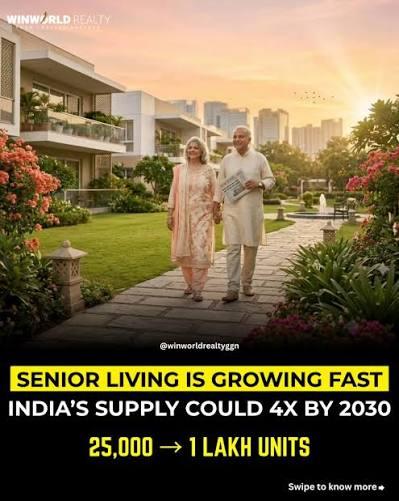
As people grow older, their housing needs often change. A home that was comfortable and convenient during the working years may become difficult to manage in later life. Climbing stairs, travelling long distances for medical appointments, maintaining a large house and managing everyday household tasks can become challenging. This is one of the reasons senior living homes in Mumbai are gaining attention among older adults and their families.
Senior living homes are designed to make everyday life easier for elderly residents. They generally offer age-friendly homes, security arrangements, medical support, housekeeping services and common spaces where residents can interact with others. Some developments provide independent apartments for active seniors, while others offer additional assistance to residents who need help with daily activities.
However, not every senior living project offers the same facilities or level of care. Families must look beyond attractive buildings, landscaped gardens and recreational amenities before making a decision. Understanding the services, safety arrangements, healthcare access, location and long-term costs is important when comparing senior living homes in Mumbai.
1. Location and Connectivity
Location should be one of the first factors families compare when selecting senior living homes in Mumbai. Older adults may need regular medical appointments, access to pharmacies, grocery stores and other essential services. A property located far from these facilities can create unnecessary difficulties.
Families should check the distance between the senior living community and nearby hospitals, clinics, medical stores and diagnostic centres. It is also useful to understand how easily residents can reach railway stations, bus stops and major roads.
Mumbai has several residential areas with different lifestyle advantages. Some locations offer better access to hospitals and public transport, while others provide quieter surroundings away from heavy traffic.
Before choosing a project, families should consider:
- Distance from multi-speciality hospitals and emergency medical facilities.
- Availability of pharmacies and grocery stores nearby.
- Access to public transport and reliable road connections.
- Traffic conditions during peak hours.
- Distance from the homes of children and close relatives.
A convenient location allows elderly residents to remain socially connected while making it easier for family members to visit regularly.
2. Safety and Security Arrangements
Safety is among the most important considerations when choosing a senior citizen home. Older adults may face a higher risk of falls, accidents and medical emergencies. A well-planned senior living community should have suitable safety features throughout the property.
Families should check whether the project has 24-hour security personnel, CCTV cameras in common areas, controlled entry points and visitor management systems. These arrangements help create a secure residential environment.
Safety inside the apartment is equally important. Bathrooms should have grab bars, anti-skid flooring and easy-to-reach fittings. Corridors should have sufficient lighting, while doors and pathways should allow easy movement.
Other useful safety features include:
- Emergency call buttons in bedrooms and bathrooms.
- Handrails along corridors and staircases.
- Lifts with emergency communication systems.
- Well-lit entrances and common areas.
- Wheelchair-friendly pathways.
- Fire safety equipment and clearly marked emergency exits.
Families should also ask how the management responds when a resident does not answer calls or misses a scheduled check-in. A clear response system can provide additional peace of mind.
3. Medical Facilities and Emergency Support
Healthcare access is another major feature that separates senior living homes from regular residential apartments. Although older adults may remain independent, they may need regular health monitoring, medical consultations or immediate assistance during an emergency.
Some senior living projects have an on-site medical room, visiting doctors, trained nursing staff and basic health monitoring services. Others may have arrangements with nearby hospitals or healthcare providers.
Families should understand exactly what medical support is included in the monthly charges. The availability of a medical room does not necessarily mean that doctors or nurses are present throughout the day.
Important questions to ask include:
- Is a doctor available on the premises or only through scheduled visits?
- Is nursing assistance available throughout the day?
- Does the property have an ambulance arrangement?
- How quickly can residents receive help during a medical emergency?
- Are regular health check-ups included in the service package?
- Is assistance available for residents with existing medical needs?
Families should also check whether the facility can support residents if their healthcare requirements increase over time. This is particularly important for those planning to live in the same community for several years.
4. Apartment Design and Age-Friendly Features
The design of a senior living apartment should make daily activities comfortable and convenient. Unlike conventional residential homes, these apartments should be planned around the changing mobility and lifestyle needs of older adults.
Families should check whether the apartment has a practical layout with enough space for walking aids, wheelchairs or other mobility equipment if required in the future.
Wide doorways, accessible bathrooms, anti-skid tiles and easy-to-use electrical switches can make a significant difference. Bedrooms should have enough space for comfortable movement, while kitchens should be designed to reduce unnecessary bending and stretching.
Natural light and proper ventilation are also important. Well-lit rooms can make the home feel more pleasant and help residents carry out everyday activities comfortably.
Before booking, families should inspect:
- Bathroom accessibility and safety fittings.
- Doorway and passage widths.
- Lift access from the apartment floor.
- Balcony safety arrangements.
- Kitchen storage and counter height.
- Ventilation and natural lighting.
- Space for mobility aids and personal furniture.
An attractive apartment may not always be suitable for elderly residents. Families should pay attention to practical details rather than focusing only on the size, interiors or appearance of the property.
5. Housekeeping and Daily Assistance
Managing household responsibilities can become tiring with age. Cleaning, laundry, grocery shopping and other routine tasks may require additional support.
Many senior living communities provide housekeeping, laundry assistance, maintenance services and meal arrangements. However, the range of services can differ from one project to another.
Some developments include basic housekeeping in their monthly maintenance charges, while others offer it as an additional paid service. Families should understand what is covered and whether residents can request extra assistance whenever needed.
Daily assistance may also include help with bathing, dressing, mobility and medication reminders. These services are particularly useful for residents who are independent in most activities but need occasional support.
Before selecting a senior living home in Mumbai, families should compare the following:
- Frequency of apartment cleaning.
- Availability of laundry services.
- Meal preparation and delivery arrangements.
- Assistance with daily personal activities.
- Maintenance and repair support.
- Availability of staff during weekends and holidays.
It is equally important to check whether trained personnel are available for residents who require additional care rather than general housekeeping support.
6. Food Quality and Dining Arrangements
Food is an important part of elderly care. Older adults may have specific dietary requirements due to age-related health concerns or personal preferences. A senior living community should offer nutritious meals that are suitable for different needs.
Families should check whether the project has a common dining area, an in-house kitchen or food delivery services. It is useful to understand how meals are prepared, how frequently the menu changes and whether residents can request special meals.
Some senior living communities provide options such as low-salt meals, diabetic-friendly food and customised diets. However, families should confirm whether these options are available regularly or only through special arrangements.
Other points worth comparing include meal timings, food hygiene, portion sizes, vegetarian and non-vegetarian options and the availability of snacks between meals.
If possible, families should visit the dining area during meal hours and speak with existing residents about food quality and service.
7. Recreational Activities and Social Interaction
Retirement should not mean giving up social activities or personal interests. Older adults need opportunities to remain active, meet people and enjoy their free time.
Senior living homes often provide community halls, gardens, libraries, indoor games, fitness spaces and activity rooms. Some organise yoga sessions, cultural programmes, festival celebrations, hobby classes and group outings.
These activities can help residents build friendships and maintain an active routine. They also reduce the chances of social isolation, particularly for people whose children live in different cities or countries.
Families should compare the availability and regularity of these activities rather than simply counting the number of amenities.
Useful facilities may include:
- Walking tracks and landscaped gardens.
- Yoga and meditation spaces.
- Indoor games and reading rooms.
- Community halls for social gatherings.
- Fitness sessions suitable for older adults.
- Hobby classes and cultural programmes.
- Group activities and planned outings.
The atmosphere of the community matters as much as the facilities. Families should observe whether residents actively participate in activities and whether the management encourages social interaction.
8. Staff Availability and Service Quality
The quality of staff can have a direct impact on the everyday experience of residents. Even a well-designed senior living property may not provide a comfortable lifestyle if staff members are unavailable or poorly trained.
Families should understand the responsibilities of security personnel, housekeeping workers, caregivers, nursing staff and community managers.
It is also important to check whether staff members receive training in assisting elderly residents, handling falls and responding to medical emergencies.
During a property visit, families can observe how staff members interact with residents. Friendly communication, timely assistance and respectful behaviour are important signs of a supportive environment.
They should also ask whether there is a dedicated manager or helpdesk to address residents' complaints and service requests.
9. Purchase Price, Monthly Charges and Additional Costs
The financial commitment involved in buying a senior living home goes beyond the apartment's purchase price. Families should calculate both the initial investment and the recurring expenses before making a decision.
The purchase price may depend on the apartment size, location, facilities and type of services offered. In addition, residents may have to pay monthly maintenance charges, food expenses, housekeeping fees, medical support charges and activity fees.
Some projects include selected services in a single monthly package, while others charge separately for each facility.
Families should ask for a detailed cost breakdown covering:
- Apartment purchase price.
- Stamp duty and registration charges
- Monthly maintenance fees.
- Food and dining expenses.
- Medical and nursing support charges.
- Housekeeping and laundry costs.
- Charges for additional personal assistance.
- Annual maintenance increases.
It is also important to understand whether monthly charges will change as residents grow older or require more assistance. A property that appears affordable initially may become expensive if essential services are charged separately.
10. Ownership Rights and Exit Options.
Before purchasing a senior living apartment, families should carefully examine the ownership structure and legal documents. Some projects offer regular apartment ownership, while others may operate through different residential or service arrangements.
Buyers should verify the property's title, approved plans, building permissions and applicable RERA registration details. They should also understand the maintenance agreement and the responsibilities of the management company.
Another important consideration is the exit option. Families may eventually need to sell the apartment, transfer ownership or move the resident to another care facility.
Questions worth asking include:
- Can the apartment be sold to another buyer?
- Are there restrictions on resale or transfer?
- Can family members inherit the property?
- Are there additional charges during resale?
- What happens if a resident needs a higher level of medical care?
- Can the apartment be rented out if the owner moves elsewhere?
These details should be clearly explained in the agreement before the family makes a financial commitment.
11. Flexibility of Care as Residents Grow Older
One of the most overlooked features when comparing senior living homes in Mumbai is the ability to provide different levels of care over time.
A person who is physically active today may need assistance with everyday activities after a few years. Families should therefore check whether the community can support changing needs without requiring the resident to relocate immediately.
Some senior living developments provide independent living, assisted living and specialised care arrangements. Independent living is generally suitable for seniors who can manage daily activities themselves. Assisted living offers additional help with personal tasks, while specialised care may be required by residents with more complex health or mobility needs.
Families should understand whether these services are available within the same development or through an outside healthcare provider.
They should also check the additional costs, eligibility conditions and availability of care beds or assisted living units. A flexible arrangement can make long-term planning easier and reduce the stress of finding another home when support requirements change.
12. Resident Reviews and Actual Living Experience
Brochures and property presentations provide information about facilities, but they may not reveal the actual quality of daily life. Speaking with existing residents and their family members can help buyers understand how the community functions.
Families should try to visit the property more than once and at different times of the day. This helps them observe the cleanliness of common areas, staff availability, noise levels and overall atmosphere.
They can ask current residents about food quality, maintenance response times, medical assistance and the regularity of social activities.
It is also useful to check whether the management communicates service changes clearly and responds to complaints without unnecessary delays.
Comparing resident feedback with the facilities promised by the developer can help families make a more informed decision.
13. Visitor Policies and Family Connectivity
For many older adults, regular contact with children, grandchildren, relatives and friends remains an important part of life. A senior living community should encourage family visits while maintaining appropriate security arrangements.
Families should check visitor timings, guest accommodation options and policies for overnight stays. Some projects may have restrictions on visitors, while others offer flexible arrangements with prior registration.
The availability of guest rooms, visitor parking and comfortable common areas can make family visits easier.
Digital connectivity is another useful feature. Reliable internet access, video-calling facilities and common communication systems help residents stay connected with family members who live outside Mumbai.
Before booking a senior living home, families should understand whether the property supports an open and welcoming environment where residents can maintain their existing relationships and social connections.
India’s real estate market continues to transform alongside infrastructure expansion, urban development, and changing homebuyer expectations. As new residential corridors and growth micro-markets emerge, opportunities are expanding beyond traditional city centres. Buyers and investors who track infrastructure projects, connectivity improvements, and planned urban growth are better positioned to identify high-potential locations and maximise long-term property value. Whether the objective is buying a home for self-use or building a diversified real estate investment portfolio, success depends on choosing the right location, entering at the right time, and making well-informed decisions. Evaluating neighbourhood development trends, selecting legally compliant and transparent projects, and aligning property purchases with long-term financial and lifestyle goals can significantly improve overall returns and ownership satisfaction. As the sector continues to mature, real estate remains one of the most stable long-term investment options. With careful planning, market awareness, and strategic decision-making, property investments made today can support wealth creation, financial security, and sustainable lifestyle growth in the years ahead.
- Verified Tenants/Buyers
- Unlimited Property Listing
- Zero subscription/charges fee