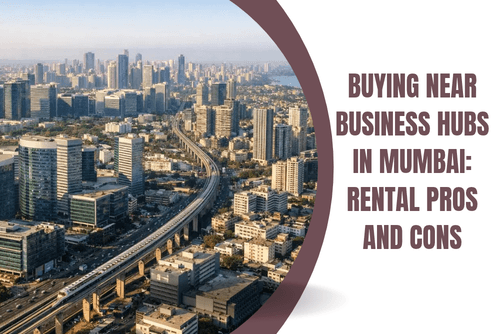
Mumbai has long been one of India's most attractive real estate markets, offering opportunities for both property buyers and long-term investors. The city's strong employment base, growing business districts, improving transport infrastructure and steady demand for rental homes make it an appealing destination for people looking to earn regular income through property investment. However, building a successful real estate rental portfolio in Mumbai requires more than simply purchasing multiple apartments. Investors need a clear strategy, careful financial planning and a good understanding of rental demand across different localities.
A real estate rental portfolio refers to a collection of properties owned by an individual or investor to generate income through rent. Instead of depending on a single apartment, investors gradually acquire multiple properties and earn rental income from different tenants. Over time, these properties may also increase in value, creating an opportunity to benefit from both monthly earnings and long-term price growth.
For beginners, entering Mumbai's property market can seem expensive and complicated. Property prices vary significantly between neighbourhoods, while rental demand depends on factors such as connectivity, employment opportunities, social infrastructure and the type of housing available. A well-planned approach can help investors build a rental portfolio without taking unnecessary financial risks.
1. Start with a Clear Rental Investment Goal
Before purchasing a property in Mumbai, investors should understand what they want to achieve from their real estate portfolio. Some buyers prefer regular monthly rental income, while others focus on long-term property appreciation. There are also investors who want to balance both objectives.
Having a clear goal helps determine the type of property, location and investment amount.
For example, an investor looking for regular rental income may consider a compact 1 BHK or 2 BHK apartment in an area with strong demand from working professionals. Someone interested in long-term appreciation may explore locations benefiting from upcoming infrastructure projects and commercial development.
Investors should also decide how quickly they want to expand their portfolio. Buying multiple properties within a short period may increase financial pressure, especially when home loans are involved. Starting with one suitable property and gradually expanding can be a more manageable approach.
2. Research Mumbai's Rental Property Markets
Location plays an important role in determining rental income and tenant demand. Mumbai has several residential markets, each attracting different types of tenants.
Areas close to business districts, industrial centres, educational institutions and transport facilities generally attract people looking for rental accommodation. Investors should study these local markets before making a purchase.
Some locations worth researching include:
Andheri: Its connectivity, commercial establishments and access to the airport make it attractive to working professionals and families.
Powai: Known for its residential developments, educational institutions and proximity to business parks, Powai attracts professionals and corporate tenants.
Thane: Offers a range of residential options and attracts families looking for relatively spacious homes with access to Mumbai's employment centres.
Navi Mumbai: Areas such as Vashi, Nerul and Kharghar attract working professionals and families because of their planned development and transport connectivity.
Goregaon: Its proximity to business districts, commercial centres and railway connectivity supports rental demand.
Chembur: Its road and rail connections make it a residential option for people travelling to different parts of Mumbai.
However, investors should not select a locality simply because it is popular. They should compare actual property prices, prevailing rents, vacancy periods and maintenance expenses.
Visiting the neighbourhood and speaking with local property brokers can provide a better understanding of the rental market.
3. Choose Properties Based on Tenant Demand
The success of a rental portfolio depends largely on how easily properties can attract suitable tenants. A high-priced apartment may look attractive, but it may not generate the rental income an investor expects.
Investors should understand the needs of potential tenants in each locality.
For example, compact apartments near business districts may appeal to single professionals and young couples. Larger 2 BHK and 3 BHK homes may attract families looking for additional space, schools and everyday facilities.
Some important factors to consider include:
- Number of bedrooms and overall usable space.
- Access to public transport and major roads.
- Availability of schools, hospitals and grocery stores.
- Security arrangements and building maintenance.
- Parking facilities and essential amenities.
- Distance from major employment centres.
Properties with practical layouts, good ventilation, reliable water supply and convenient access to daily necessities often have an advantage when attracting tenants.
Investors should focus on properties that meet actual housing requirements rather than paying extra for facilities that may not significantly improve rental demand.
4. Calculate Rental Returns Before Buying
One of the most important steps in building a real estate rental portfolio in Mumbai is calculating the expected rental return before purchasing a property.
Rental yield helps investors understand how much annual rental income a property generates compared with its purchase price.
The basic formula is:
Rental Yield = (Annual Rental Income ÷ Property Purchase Price) × 100
For example, suppose an investor purchases an apartment for Rs. 1 crore and earns a monthly rent of Rs. 30,000.
- Annual rental income: Rs. 3.6 lakh
- Property purchase price: Rs. 1 crore
- Gross rental yield: 3.6%
However, this is only the gross rental yield. Actual earnings may be lower after deducting maintenance charges, property taxes, repairs, insurance, brokerage and periods when the apartment remains vacant.
Investors should also include additional purchase expenses such as stamp duty, registration charges, legal fees and other applicable costs when calculating the overall investment.
Comparing the expected rental yield of different properties can help investors identify options that offer a better balance between purchase price and rental income.
5. Set a Realistic Budget and Manage Home Loans
Mumbai's property prices can make it difficult for investors to purchase multiple apartments without financial assistance. Home loans can help buyers enter the market, but excessive borrowing can create difficulties if rental income does not cover monthly expenses.
Before applying for a loan, investors should calculate their existing financial commitments, monthly income, savings and repayment capacity.
A sensible financial plan should include:
- Down payment for the property.
- Stamp duty and registration charges.
- Home loan processing and other applicable fees.
- Monthly EMI payments.
- Society maintenance charges.
- Repairs and unexpected expenses.
- Emergency savings for vacant periods.
Investors should avoid assuming that rental income will always be sufficient to pay the EMI. Tenants may move out, rent payments may be delayed, or unexpected repairs may increase expenses.
Maintaining an emergency fund can help manage these situations without affecting other financial commitments.
It is also important to compare home loan interest rates and repayment conditions offered by different lenders before making a decision.
6. Begin with One Property and Expand Gradually
Building a rental portfolio does not require purchasing several apartments immediately. In fact, starting with one well-selected property can help investors understand the practical responsibilities involved in managing rental real estate.
The first property provides an opportunity to learn about tenant selection, rental agreements, maintenance expenses, rent collection and vacancy management.
Once the property starts generating stable rental income and the investor's financial position improves, they can consider purchasing another apartment.
For example, an investor may begin with a 1 BHK apartment in a locality with strong demand from working professionals. After gaining experience and building additional savings, the investor may purchase a 2 BHK apartment in another neighbourhood that attracts families.
This gradual approach can also reduce the risk of depending heavily on borrowed money.
Investors should review the performance of their existing property before making another purchase. If the first apartment regularly remains vacant or generates lower returns than expected, the reasons should be understood before expanding the portfolio.
7. Diversify Across Different Mumbai Localities
Buying all rental properties in the same neighbourhood may expose an investor to similar market risks. If rental demand weakens in that particular area, multiple properties could experience longer vacancy periods.
Diversification means spreading investments across different locations, property types or tenant groups.
For example, an investor may own one apartment in Andheri, another in Thane and a third in Navi Mumbai. These locations attract different tenant groups and have different employment and connectivity advantages.
However, diversification should not mean purchasing properties in unfamiliar areas without proper research. Investors should understand each locality's rental market before committing their money.
They should also consider whether managing properties across different parts of Mumbai will increase travel time, maintenance expenses and management responsibilities.
A balanced portfolio should combine locations with established rental demand and carefully selected areas with potential for future growth.
8. Understand the Importance of Property Management
Owning multiple rental properties also means handling multiple tenants, maintenance requests, payment schedules and agreements.
Poor property management can reduce rental income and create unnecessary stress for investors.
Before handing over an apartment to a tenant, owners should prepare a proper rental agreement that clearly mentions the monthly rent, security deposit, agreement period, maintenance responsibilities and other important conditions.
In Maharashtra, leave and licence agreements should be properly prepared and registered as required under applicable state rules.
Investors should also maintain records of rent payments, repair expenses, property-related documents and tenant communication.
For owners who live far from their rental properties or have several apartments, professional property management services may be useful. Such services can assist with tenant searches, rent collection, property inspections and maintenance coordination.
Although these services involve additional costs, they can save time and make it easier to manage a growing portfolio.
9. Focus on Legal Verification Before Every Purchase
A rental property may offer attractive income, but legal problems can create serious financial difficulties. Investors should verify all important documents before purchasing an apartment.
Some essential checks include:
- Verification of the property's ownership and title documents.
- Review of the sale agreement and previous ownership records.
- Checking applicable building approvals.
- Verification of the Occupancy Certificate, wherever applicable.
- Checking outstanding property taxes and society dues.
- Reviewing the project's MahaRERA registration and details, where applicable.
- Confirming that the property does not have unresolved legal disputes or financial claims.
For resale apartments, investors should also check whether the seller has the authority to transfer ownership and whether any outstanding home loan needs to be cleared.
Consulting a property lawyer before signing the sale agreement can help identify potential problems.
Investors purchasing under-construction properties should carefully examine the builder's track record, project approvals, construction progress and possession timeline.
10. Keep Track of Rental Expenses and Net Income
A property that generates Rs. 40,000 in monthly rent does not necessarily mean the investor earns Rs. 40,000 as profit.
Several expenses need to be deducted before calculating actual rental earnings.
These may include monthly society maintenance, property tax, repairs, insurance, property management fees and occasional brokerage expenses.
For example, if an apartment earns Rs. 40,000 per month but the owner spends Rs. 6,000 on average monthly expenses, the remaining amount before other applicable costs is Rs. 34,000.
Investors should maintain a separate financial record for every property. This makes it easier to compare the performance of different apartments and identify properties that are not generating satisfactory returns.
Regular financial reviews also help investors decide whether to increase rent, renovate a property, change property managers or consider selling an underperforming asset.
11. Improve Rental Appeal Through Practical Upgrades
Small improvements can make a rental apartment more attractive without requiring a major renovation budget.
Tenants generally prefer clean, functional and well-maintained homes. Investors can improve the rental appeal of their properties by addressing basic maintenance issues and providing essential facilities.
Useful improvements may include:
- Fresh paint and clean flooring.
- Functional kitchen cabinets and storage.
- Proper bathroom fittings and plumbing.
- Reliable electrical connections.
- Good lighting and ventilation.
- Basic wardrobes and storage spaces.
- Working fans and other essential fixtures.
In locations where furnished accommodation is in demand, providing essential furniture and appliances may help attract tenants. However, investors should compare the additional furnishing costs with the possible increase in rent.
Expensive interior decoration may not always result in better rental returns. The focus should remain on durability, comfort and ease of maintenance.
12. Monitor Market Trends and Plan Future Purchases
Mumbai's property market changes with infrastructure development, employment growth, transport connectivity and changing housing preferences.
Investors should regularly monitor developments that may influence rental demand in their selected localities.
New metro connections, road improvements, railway upgrades and commercial developments can improve accessibility and make certain neighbourhoods more attractive to tenants. However, investors should not assume that every infrastructure announcement will automatically increase property prices or rental income.
They should check the project's actual progress, expected completion period and impact on the surrounding residential market.
Before purchasing another property, investors should compare current prices with recent transactions, study rental listings and speak with local brokers.
They should also review whether their existing properties are generating the expected income and whether their financial position allows them to take on another loan.
A rental portfolio should grow according to market conditions and the investor's financial capacity rather than a fixed target of owning a particular number of apartments.
13. Understand Tax Responsibilities on Rental Income
Rental income is taxable in India and investors should understand their tax responsibilities when building a real estate portfolio.
Income received from residential properties is generally reported under the head 'Income from House Property', subject to applicable income tax rules.
Eligible property owners may claim a standard deduction of 30% of the net annual value while calculating taxable income from house property. Interest paid on a home loan may also qualify for deduction, subject to the applicable conditions and the chosen tax regime.
Investors owning multiple rental properties should maintain proper records of rent received, municipal taxes paid, loan interest and other relevant expenses.
They should also understand the tax treatment applicable when selling a property, as capital gains tax may apply depending on the holding period and prevailing rules.
Since tax provisions can change and individual circumstances differ, consulting a qualified tax professional can help investors plan their rental portfolio more effectively.
India’s real estate market continues to transform alongside infrastructure expansion, urban development, and changing homebuyer expectations. As new residential corridors and growth micro-markets emerge, opportunities are expanding beyond traditional city centres. Buyers and investors who track infrastructure projects, connectivity improvements, and planned urban growth are better positioned to identify high-potential locations and maximise long-term property value. Whether the objective is buying a home for self-use or building a diversified real estate investment portfolio, success depends on choosing the right location, entering at the right time, and making well-informed decisions. Evaluating neighbourhood development trends, selecting legally compliant and transparent projects, and aligning property purchases with long-term financial and lifestyle goals can significantly improve overall returns and ownership satisfaction. As the sector continues to mature, real estate remains one of the most stable long-term investment options. With careful planning, market awareness, and strategic decision-making, property investments made today can support wealth creation, financial security, and sustainable lifestyle growth in the years ahead.
- Verified Tenants/Buyers
- Unlimited Property Listing
- Zero subscription/charges fee