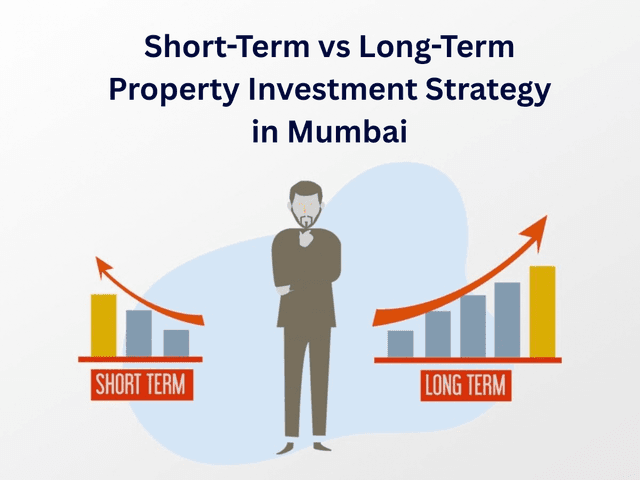
Bangalore has never been a city where real estate investors can afford to make decisions based only on what looks affordable today. The city keeps changing. New offices come up, roads are widened, metro lines expand, and once-quiet neighbourhoods turn into busy residential areas.
That growth creates an interesting choice for property buyers: Is it better to buy a plot in Bangalore or invest in an apartment?
Both options have their own strengths. A plot gives you ownership of land, which can become increasingly valuable as the city expands. An apartment, on the other hand, can provide rental income while also gaining value over the years.
Why the Plot vs Apartment Debate Matters
Property is usually a long-term investment. Unlike stocks or other investments that can be bought and sold quickly, real estate involves a large amount of money and transaction costs.
That makes the initial decision particularly important.
A buyer purchasing a plot may have to wait several years before the surrounding area develops enough to push up land prices. An apartment buyer may see a more immediate benefit through rent, but the building itself gets older with time.
This creates two very different investment strategies.
A plot is largely a bet on future land value.
An apartment is a combination of property appreciation and rental income.
Understanding this difference is the first step towards making the right decision.
Why Plots Can Be a Strong Long-Term Investment
Land has one advantage that buildings do not: there is only so much of it.
As Bangalore continues to expand, land in well-connected locations becomes harder to find. If a plot is purchased in an area that gradually becomes an important residential or commercial zone, its value can rise significantly.
Imagine buying a plot in an area that currently has limited development. A few years later, new roads, schools, shopping centres, public transport and offices begin appearing nearby. More people want to live in the area, and demand for land increases.
The plot owner benefits from that change without having to maintain a building.
Another advantage is flexibility. The owner can keep the plot, build a house later or sell it when the market conditions are favourable.
But there is a catch.
A plot normally does not provide monthly income. If the land takes eight or ten years to appreciate significantly, the owner may receive no regular cash flow during that period.
Apartments Give You Something Plots Usually Don't
The biggest advantage of an apartment is rent.
A well-located apartment in Bangalore can attract tenants because of the city's large working population and its concentration of technology companies, business parks and educational institutions.
This means an investor can earn rent while waiting for the property to appreciate.
For example, someone buying an apartment close to a major employment hub may be able to rent it out soon after possession. Over the years, the investor could potentially benefit from both rental income and an increase in the property's market value.
This makes apartments appealing to investors who do not want their money sitting entirely in a non-income-generating asset.
However, rent should not be treated as pure profit.
Apartment owners have to account for maintenance charges, repairs, property taxes, vacancy periods and other expenses. These costs can reduce the actual return.
An apartment consists of two broad components: the land share and the building. While the land can become more valuable, the physical building gets older.
A newly constructed apartment may be attractive to buyers today. Ten or fifteen years later, the same building will be older and may require repairs or upgrades.
Plots do not have this particular problem.
The land remains the central asset. If the location becomes more valuable, the plot can benefit even if no construction takes place on it.
This does not mean every plot will automatically outperform an apartment. Location still decides the outcome.
Bangalore's Location Story Is More Important Than Ever
The city has expanded far beyond its traditional central areas. Residential demand is now spread across multiple corridors, with employment centres and infrastructure influencing where people choose to live.
North Bangalore, for instance, has attracted attention because of airport connectivity, infrastructure development and expanding commercial activity. East Bangalore remains important because of its established technology and employment hubs. South Bangalore continues to have strong demand from homebuyers looking for established residential neighbourhoods.
This creates opportunities for both plots and apartments.
A plot in a developing corridor can benefit from future urban expansion. An apartment in an established employment corridor can benefit from immediate rental demand.
The investor therefore needs to ask a more useful question than "plot or apartment?"
Infrastructure Can Change Property Values
Real estate values often move when accessibility improves.
A new metro station, better road connection or major infrastructure project can make a previously inconvenient location easier to reach. Once commuting becomes simpler, more people may consider living there.
This can benefit both plots and apartments.
However, investors should be careful with promises about future infrastructure. Property advertisements sometimes highlight proposed roads, metro stations or commercial developments as reasons why prices will rise.
An announced project is not the same as a completed project.
Before investing, buyers should check the actual status of major infrastructure projects and avoid paying an excessive premium based entirely on future expectations.
Which Property Has Better Resale Potential?
Resale is another important part of the investment equation.
Apartments in established locations often have a wider pool of potential buyers because people understand the property, the neighbourhood and the rental market.
Plots can also have strong resale demand, particularly when they are located in established layouts with clear documentation. However, buyers can be more cautious about land because documentation, approvals and ownership history require careful verification.
A legally clear plot in a desirable location can be highly attractive. A plot with unclear documentation can become difficult to sell, regardless of its location.
Legal Checks Are Critical When Buying a Plot
This is one area where buyers should never rush.
Before purchasing land, investors should verify ownership documents, title history, approvals, land-use status, layout permissions and access to the property. Professional legal advice can be worthwhile because a mistake at this stage can create problems for years.
Apartment buyers also need to perform due diligence. They should examine the developer's reputation, project approvals, title documents, construction status, maintenance charges and other relevant records.
A property that looks cheap can become expensive if legal or ownership issues appear later.
What About Rental Demand?
If regular income is important to you, apartments have a clear advantage.
Bangalore's large tenant population creates demand for homes near offices, educational institutions, transport links and commercial areas.
But not every apartment is equally attractive to tenants.
A large luxury apartment located far from employment hubs may have a smaller tenant pool than a moderately priced home near a major business district.
This is why investors should study the local rental market before buying.
Look at actual rents in nearby projects, vacancy levels and the types of homes tenants are looking for. Do not assume that a high-priced apartment will automatically produce high rental returns.
What About Long-Term Capital Appreciation?
If your main goal is wealth creation over 10 to 15 years, plots deserve serious consideration.
The reason is simple: the supply of well-located land is limited.
As an area becomes more developed, land prices can rise because builders, businesses and individual buyers compete for available sites.
But patience is essential.
A plot in an undeveloped location may remain stagnant for years. Investors should therefore look for areas where development is supported by genuine economic activity rather than relying solely on speculation.
Employment growth is particularly important because new jobs bring people, and people create housing demand.
A Simple Way to Choose Between the Two
The decision can become easier if you start with your investment goal.
Choose a plot if your priority is long-term capital appreciation, you do not need rental income and you are comfortable holding the property for many years.
Choose an apartment if you want rental income, prefer an established neighbourhood and want the option of using the property yourself in the future.
There is also a third factor: your budget.
A buyer with a fixed budget should compare properties based on their total cost rather than simply comparing the advertised price.
Registration costs, taxes, loan interest, maintenance, interiors and other expenses can significantly change the actual amount invested.
The Bottom Line for Bangalore Investors
There is no simple winner in the plots vs apartments debate.
A good plot in the right growth corridor can deliver impressive long-term appreciation, particularly when infrastructure and employment expand around it.
An apartment in a strong rental market can provide a more balanced return, combining monthly income with potential appreciation.
For investors with a long horizon and no immediate need for income, land can be particularly attractive. For those who want their property to generate cash flow, apartments may be the more practical choice.
Ultimately, Bangalore real estate rewards investors who look beyond the property brochure. The most important factors are location, connectivity, future demand, legal clarity, purchase price and the ability to hold the investment through different stages of the market.
The smartest investment is therefore not necessarily the one labelled "plot" or "apartment." It is the property that is likely to remain useful, desirable and in demand long after today's real estate trend has changed.
India’s real estate market continues to transform alongside infrastructure expansion, urban development, and changing homebuyer expectations. As new residential corridors and growth micro-markets emerge, opportunities are expanding beyond traditional city centres. Buyers and investors who track infrastructure projects, connectivity improvements, and planned urban growth are better positioned to identify high-potential locations and maximise long-term property value. Whether the objective is buying a home for self-use or building a diversified real estate investment portfolio, success depends on choosing the right location, entering at the right time, and making well-informed decisions. Evaluating neighbourhood development trends, selecting legally compliant and transparent projects, and aligning property purchases with long-term financial and lifestyle goals can significantly improve overall returns and ownership satisfaction. As the sector continues to mature, real estate remains one of the most stable long-term investment options. With careful planning, market awareness, and strategic decision-making, property investments made today can support wealth creation, financial security, and sustainable lifestyle growth in the years ahead.
- Verified Tenants/Buyers
- Unlimited Property Listing
- Zero subscription/charges fee