Mumbai's changing lifestyle and growing working population are creating new opportunities in the residential real estate market. Among the emerging housing trends, co-living has gained attention as a practical option for young professionals, students, working couples and people moving to the city for employment. With high rental costs, limited housing options near business districts and an increasing preference for flexible living arrangements, shared accommodation is becoming an important part of Mumbai's rental housing market.
For property owners and real estate investors, this shift is opening up a different way to earn rental income. Instead of renting an entire apartment to one family, owners can offer individual rooms or shared living spaces to multiple tenants. However, not every residential property is suitable for co-living. Location, apartment layout, privacy, shared facilities and maintenance requirements all play an important role in determining whether a property can work as a successful co-living space.
Understanding the demand, design requirements and possible returns can help investors identify co-living friendly properties in Mumbai and make better real estate decisions.
Understanding the Growing Demand for Co-Living in Mumbai
Mumbai attracts thousands of people every year who arrive in search of employment, education and better career opportunities. Many of these individuals are young professionals who may not want to commit to a long-term rental agreement or spend a large amount on an independent apartment.
Traditional rental housing often requires tenants to pay a security deposit, arrange furniture, manage utility connections and take responsibility for maintaining the property. For someone staying in Mumbai for a short period, these responsibilities can become inconvenient.
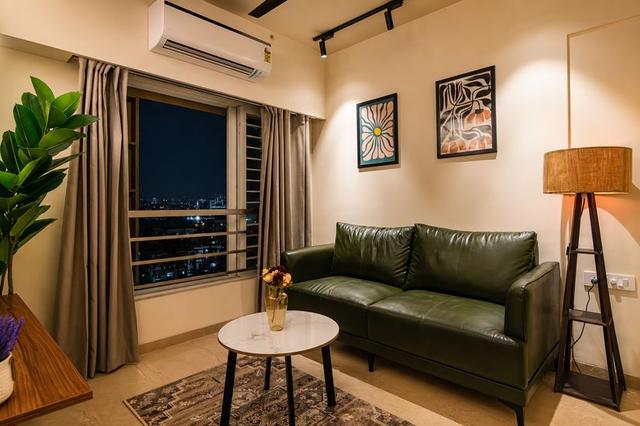
Co-living addresses several of these concerns by offering furnished accommodation with shared facilities and, in many cases, services such as housekeeping, internet access, laundry and security. Residents can rent a private room while sharing common areas such as the kitchen, living room and dining space.
The demand is particularly visible among:
- Young working professionals: Employees relocating to Mumbai for jobs often prefer furnished homes close to their workplaces.
- Students and interns: Individuals pursuing higher education, internships or professional courses may look for affordable accommodation with flexible rental arrangements.
- Newly relocated employees: People moving from other cities may prefer managed accommodation while searching for a permanent home.
- Single working women and men: Secure buildings, controlled entry and organised maintenance can make professionally managed co-living spaces attractive.
- Freelancers and remote workers: People working independently may value furnished homes with reliable internet and comfortable common areas.
Mumbai's employment centres, educational institutions and transport networks support this demand. Areas with access to offices, colleges, hospitals and commercial establishments can be particularly suitable for co-living investments.
Why Mumbai Is Suitable for Co-Living Friendly Properties
The city's high cost of housing is one of the main reasons shared accommodation continues to attract attention. Renting an entire apartment in a well-connected neighbourhood can be expensive for an individual, especially when additional expenses such as electricity, internet, furniture and maintenance are considered.
Co-living allows residents to divide these costs among multiple occupants. It also gives tenants access to locations that might otherwise be difficult to afford independently.
The presence of major employment hubs across Mumbai and its surrounding areas creates opportunities for this housing format. Business districts such as Bandra-Kurla Complex, Lower Parel, Andheri, Powai and Goregaon attract professionals who prefer accommodation within a reasonable commuting distance.
Similarly, areas near educational institutions and training centres can attract students and interns. Properties close to railway stations, metro connectivity, bus routes and daily convenience stores may also receive greater attention from prospective residents.
For property investors, the key is to identify neighbourhoods where rental demand is supported by regular employment, education and transport activity rather than depending only on short-term popularity.
Best Locations to Consider for Co-Living Investments in Mumbai
Location plays a major role in the success of a co-living property. Tenants generally look for homes that reduce travel time, offer essential facilities nearby and provide a comfortable residential environment.
Some Mumbai locations worth evaluating include:
1. Andheri
Andheri is a popular residential and commercial destination with access to offices, entertainment centres, educational institutions and transport facilities. Its connectivity to different parts of Mumbai makes it attractive to working professionals.
Properties in Andheri East may appeal to employees working in nearby commercial areas, while Andheri West can attract professionals and students looking for established neighbourhood facilities. Apartments with practical layouts and access to public transport may be suitable for shared accommodation.
2. Powai
Powai has developed into an important residential and commercial location. Its corporate offices, educational institutions, restaurants and social infrastructure attract students and working professionals.
Co-living properties in Powai may appeal to employees working in nearby business districts and students looking for accommodation close to educational institutions. However, investors should carefully compare property prices with achievable rental income before making a purchase.
3. Goregaon
Goregaon offers access to commercial areas, shopping centres, railway connectivity and residential developments. Its proximity to business districts in the western suburbs makes it a location worth considering for co-living investments.
Apartments with multiple bedrooms and convenient access to transport facilities may attract young professionals who want to share accommodation.
4. Lower Parel
Lower Parel is known for its commercial developments, offices, restaurants and lifestyle facilities. Professionals working in nearby business districts may prefer shared accommodation to avoid long daily commutes.
However, relatively high property prices can affect investment returns. Investors should assess the total purchase cost and realistic occupancy levels before selecting a property.
5. Thane
Thane has emerged as an important residential destination for people seeking comparatively more spacious homes and access to Mumbai's employment centres. Its residential developments, schools, hospitals and transport facilities make it suitable for different tenant groups.
Co-living properties in well-connected parts of Thane may attract professionals, students and employees working in nearby commercial areas.
Design Features That Make a Property Suitable for Co-Living
A residential apartment designed for a family may not automatically work well as a co-living property. Shared accommodation involves multiple occupants with different routines, work schedules and personal preferences. Therefore, the design should support both privacy and community living.
1. Multiple Bedrooms with Practical Layouts
Apartments with two, three or four bedrooms can offer greater flexibility for co-living arrangements. Separate bedrooms allow residents to maintain personal space while sharing common facilities.
Investors should avoid layouts where occupants must pass through one bedroom to reach another room. Such arrangements can create privacy concerns and inconvenience.
2. Adequate Bathrooms
Bathroom availability is an important consideration when multiple people live in the same apartment. A three-bedroom property with only one bathroom may create difficulties during busy mornings.
Apartments with attached bathrooms or at least two conveniently located bathrooms may offer a better living experience. Proper ventilation, water supply and easy cleaning arrangements are equally important.
3. Functional Kitchen and Dining Space
A shared kitchen can reduce food expenses and give residents the flexibility to prepare their own meals. The kitchen should have sufficient storage, counter space and electrical connections for commonly used appliances.
A separate dining area can also make everyday living more comfortable and prevent the kitchen from becoming overcrowded.
4. Comfortable Common Areas
The living room should provide enough space for residents to relax, socialise or work outside their bedrooms. Comfortable seating, suitable lighting and basic furniture can improve the overall experience.
However, common areas should not take up so much space that individual bedrooms become cramped.
5. Reliable Internet and Electrical Facilities
Internet access has become essential for working professionals and students. A co-living property should have reliable broadband connectivity and sufficient electrical points for laptops, phones and other devices.
Good lighting, ventilation and backup arrangements for essential services can further improve the property's appeal.
6. Storage and Privacy
Every resident should have sufficient personal storage for clothes, bags and other belongings. Lockable bedroom doors, individual cupboards and clear arrangements for shared storage can help prevent disputes.
Privacy is particularly important in shared housing, where residents may follow different daily schedules.
Furnishing and Facilities: What Tenants Expect
One of the biggest advantages of co-living accommodation is the convenience of moving into a ready-to-use home. Tenants generally prefer properties that do not require them to purchase basic furniture or arrange several household services.
A co-living friendly apartment should ideally include beds, mattresses, wardrobes, study tables, chairs, curtains and essential kitchen appliances. A washing machine, refrigerator, microwave and water purifier can also make daily living easier.
Additional services may include housekeeping, common-area cleaning, maintenance support, internet access and security arrangements. Some professionally managed properties may also provide laundry services and organised community activities.
However, investors should remember that every additional service increases operating expenses. The facilities should match the expectations of the target tenants rather than adding unnecessary costs.
A property aimed at students may need study-friendly rooms and affordable shared facilities, while one targeting working professionals may require better workspaces, faster internet and convenient housekeeping arrangements.
Co-Living Property Investment: Understanding the Potential Returns
One of the biggest reasons investors are exploring co-living friendly properties in Mumbai is the possibility of earning higher rental income compared with conventional residential leasing.
In a traditional rental arrangement, an apartment is usually leased to one tenant or family. In a co-living arrangement, individual rooms or beds can be rented to different occupants. This can increase the total rental income generated from the same property.
For example, a three-bedroom apartment can accommodate three or more residents, depending on its size, layout and applicable occupancy requirements. Each resident contributes towards the monthly rental income, while common facilities are shared.
According to a Colliers report published in May 2025, India's organised co-living demand was estimated at 6.6 million beds, compared with an organised supply of approximately 300,000 beds. The report also projected that organised supply could reach nearly one million beds by 2030. This indicates considerable room for organised co-living operators to expand.
Colliers
However, investors should not assume that higher rental collections automatically translate into higher profits. Co-living properties involve additional expenses related to furnishing, housekeeping, repairs, electricity, internet, property management and tenant coordination.
The actual return depends on how effectively these expenses are controlled.
Factors That Influence Co-Living Rental Returns
Several factors determine the income potential of a co-living property in Mumbai.
1. Number of Occupants
The number of people a property can comfortably accommodate directly affects its earning potential. An apartment with multiple bedrooms and adequate bathrooms may generate more income than a smaller unit.
However, overcrowding should be avoided. Maintaining a comfortable living environment is important for attracting tenants and retaining them for longer periods.
2. Monthly Rental Pricing
Rental prices depend on the property's location, room size, furnishing quality and available facilities. A private bedroom in a well-connected neighbourhood can command a different rent from a shared room in an outer residential area.
Investors should compare similar co-living properties in the neighbourhood before deciding rental prices.
3. Occupancy Levels
A property may have attractive rental rates, but vacant rooms can reduce its overall earnings. Consistent occupancy is therefore essential for maintaining steady cash flow.
Properties close to employment hubs, colleges and public transport facilities may have an advantage when attracting potential residents.
4. Operating Expenses
Co-living properties require regular maintenance and service management. Expenses such as electricity, water, internet, housekeeping, furniture replacement and repairs should be included in the investment calculation.
Investors should calculate their expected income after deducting these costs rather than focusing only on the total rent collected.
The Role of Infrastructure Development in Co-Living Demand
Infrastructure development can influence the rental prospects of co-living properties across Mumbai. Improved metro connectivity, road networks and railway facilities can make previously less accessible neighbourhoods more attractive to working professionals.
For example, areas such as Andheri, Goregaon, Powai and Thane may benefit from their access to employment centres and established transport networks. Similarly, developing residential locations around major commercial corridors may attract tenants looking for more affordable accommodation.
However, investors should distinguish between existing connectivity and infrastructure projects that are still under construction. Buying a property based entirely on a proposed metro station or future road development can involve uncertainty.
A better approach is to select locations that already have reasonable rental demand and consider upcoming infrastructure as an additional advantage.
Changing Tenant Preferences: The Future of Co-Living Properties in Mumbai
The expectations of people renting homes in Mumbai are changing. While affordability remains important, tenants are increasingly looking for accommodation that offers convenience, security and a better everyday living experience.
A furnished room with reliable internet, a comfortable bed, adequate storage and access to a clean kitchen can be more attractive than a larger but poorly maintained apartment.
There is also growing interest in private rooms within shared properties. This arrangement allows residents to enjoy personal space without paying the full cost of renting an independent apartment.
Women-focused co-living accommodation, student housing and professionally managed homes for corporate employees are also segments worth watching. Each caters to a different tenant group and requires a suitable combination of pricing, facilities and management.
For property investors, this changing demand highlights the importance of selecting apartments that can adapt to different tenant requirements. Flexible bedroom arrangements, well-designed common spaces and practical amenities can help a property remain attractive as rental preferences evolve.
What Investors Should Evaluate Before Making a Purchase
A co-living friendly property should be assessed as both a real estate investment and a rental business. Its location, purchase cost and long-term value matter, but so do the expenses involved in running it.
Investors should prepare a detailed financial estimate that includes the apartment's purchase price, stamp duty, registration charges, brokerage, furnishing, renovation and initial operating costs. They should then compare expected rental collections under different occupancy scenarios.
For instance, calculations should consider what happens if only two out of three bedrooms remain occupied for a few months. This helps investors understand whether the property can continue generating sufficient income during periods of lower demand.
It is equally important to compare the expected returns with those from renting the entire apartment through a conventional rental agreement. If the additional income from co-living is small after deducting management and maintenance expenses, a traditional rental arrangement may be more practical.
Investors should also examine the property's long-term resale potential, the financial stability of any operating partner and the possibility of converting the apartment back into a regular residential home.
India’s real estate market continues to transform alongside infrastructure expansion, urban development, and changing homebuyer expectations. As new residential corridors and growth micro-markets emerge, opportunities are expanding beyond traditional city centres. Buyers and investors who track infrastructure projects, connectivity improvements, and planned urban growth are better positioned to identify high-potential locations and maximise long-term property value. Whether the objective is buying a home for self-use or building a diversified real estate investment portfolio, success depends on choosing the right location, entering at the right time, and making well-informed decisions. Evaluating neighbourhood development trends, selecting legally compliant and transparent projects, and aligning property purchases with long-term financial and lifestyle goals can significantly improve overall returns and ownership satisfaction. As the sector continues to mature, real estate remains one of the most stable long-term investment options. With careful planning, market awareness, and strategic decision-making, property investments made today can support wealth creation, financial security, and sustainable lifestyle growth in the years ahead.
- Verified Tenants/Buyers
- Unlimited Property Listing
- Zero subscription/charges fee